Hey traders, Ezekiel here. Let’s waste no time, here’s your quick market snapshot, covering the latest action, the key takeaways, and the best way to navigate it.
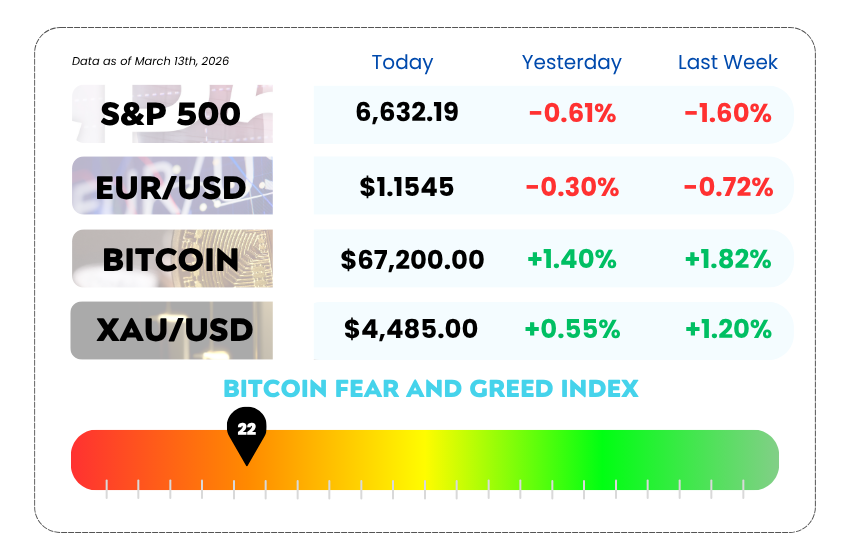
- Today's market mayhem. S&P 500, EUR/USD, Bitcoin, and XAU/USD today
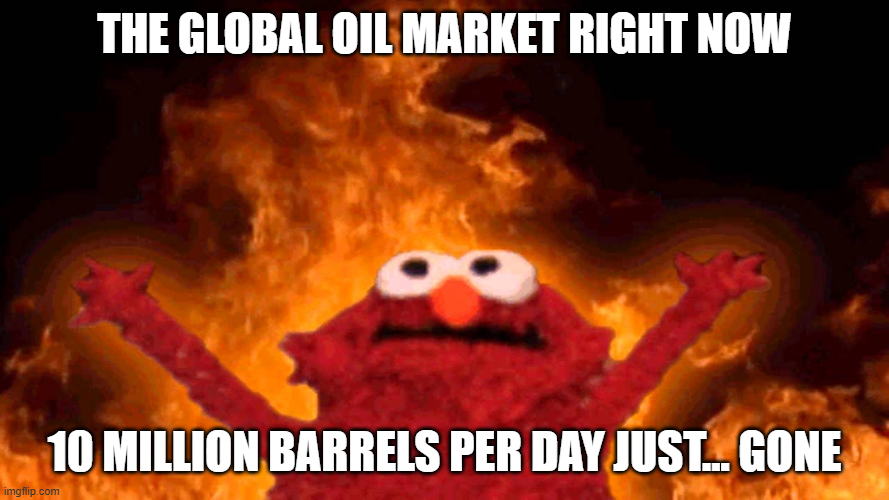
- The Strait of Hormuz is closed, 10 million barrels per day are offline, and the IEA is calling this the biggest supply disruption in history
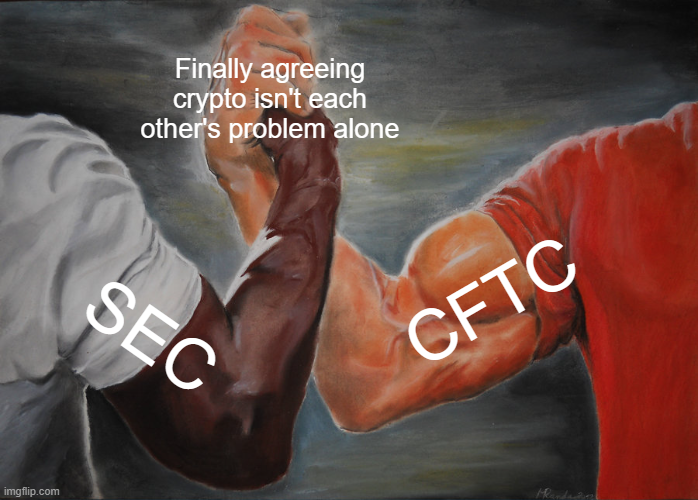
- The SEC and CFTC just signed a historic agreement to work together on crypto regulation, and the turf war is officially over
- Most traders don't fail prop firm challenges because of bad strategy, they fail because of bad decision-making, we break down the blueprint in our video
WEEKLY MARKET MAYHEM🔥
For this week's market mayhem, here’s what we got for you today:

The Strait Of Hormuz Is Closed, 10 Million Barrels Are Gone, And The IEA Says This Has Never Happened Before 🛢️
Let's talk about the single most important chokepoint on the planet and what happens when it shuts down.
The Strait of Hormuz, the narrow waterway between Iran and Oman that carries roughly 20% of the world's crude oil supply, has been effectively closed since March 4. And as of yesterday, the numbers are getting genuinely scary.
Gulf oil production from Kuwait, Iraq, Saudi Arabia, and the UAE has collectively dropped by at least 10 million barrels per day as of March 12 📉 The International Energy Agency is calling this the “greatest global energy security challenge in history.” Not since the 1970s. Not since COVID. In history.
Brent crude has surged past $120 per barrel. WTI settled around $96 on Friday but the trajectory is clear, and the premium between Brent and WTI tells you just how much the international supply picture has deteriorated relative to the U.S. domestic market.

But it's not just about oil. The Strait of Hormuz is also how Gulf countries import more than 80% of their food. By mid-March, 70% of the region's food imports are disrupted, retailers are airlifting staples, and consumer prices in the Gulf have spiked 40 to 120%. Reports say Iran has also struck desalination plants, which are the source of 99% of drinking water in Kuwait and Qatar. This is quickly evolving from an energy crisis into a humanitarian one.
The S&P 500 dropped another 0.61% to 6,632, marking its seventh decline in the last ten sessions. The index is now firmly in selloff mode, down 1.60% on the week and falling further from its January highs with every passing day.
Europe is getting hammered too 🇪🇺 European gas storage is estimated at just 30% capacity after a harsh winter, and Dutch TTF gas benchmarks have nearly doubled to over €60/MWh. The ECB is now expected to postpone its planned rate reductions next week, and economists are warning that energy-intensive economies face a real risk of technical recession if the blockade continues through summer.
The S&P 500 posted 276 new 52-week lows on the Nasdaq in a single recent session. That's not a healthy market. That's a market under siege.
🤔 Asia Forex Mentor Insights
This is the kind of event that redefines the trading environment for months. As long as the Strait of Hormuz remains closed, oil will stay elevated, inflation will keep rising, and central banks will be trapped between cutting rates to support growth and holding rates to fight energy-driven price pressures.
For forex traders, the dollar remains the cleanest safe-haven play in this environment. EUR/USD is vulnerable as long as Europe faces energy shock risk, and commodity currencies tied to energy imports (like JPY) will stay under pressure. For equity traders, the key question is no longer “how bad will it get” but “how long will it last.” A reopening of Hormuz would be the single biggest bullish catalyst the market could get right now. Until then, rallies are likely to be sold.
The SEC And CFTC Just Ended Their Decade-Long Turf War, And Crypto May Never Be The Same 🤝
While the world was focused on oil prices and the war, something historic happened in crypto regulation this week that flew completely under the radar.
On March 11, SEC Chairman Paul Atkins and CFTC Chairman Michael Selig signed a Memorandum of Understanding (MOU) that officially ended the turf war between the two agencies over who regulates crypto. Let that sink in, because this has been the single biggest source of regulatory uncertainty in the entire digital asset industry for over a decade.

For context, the SEC under Gary Gensler spent years arguing that almost every crypto token was a security and suing anyone who disagreed. The CFTC argued that most tokens were commodities under their jurisdiction. Crypto companies were stuck in the middle, paying lawyers instead of building products, trying to figure out which regulator was going to come after them next.
The MOU establishes a framework for coordination and collaboration on six core areas, including joint interpretations, harmonized rulemaking, and reducing duplicative oversight. CFTC Chairman Selig stated that both agencies are committed to “clarify, coordinate, and harmonize” their approaches and to provide a “fit-for-purpose regulatory framework” for crypto assets.
This isn't just symbolic. The MOU is already producing results. Reports indicate that by March 17 (next week), the SEC and CFTC will jointly issue a comprehensive interpretation that classifies most major crypto assets, potentially including Bitcoin, Ethereum, Solana, and XRP, into clear regulatory categories. The framework is expected to establish a five-category token taxonomy covering digital commodities, digital collectibles, digital tools, payment stablecoins, and digital securities.
If that happens, it would be the most significant regulatory clarity the U.S. crypto industry has ever received. Suddenly, exchanges would know which regulator governs which tokens. Builders would know whether they need SEC or CFTC registration. And institutional capital that has been sitting on the sidelines waiting for clarity would have the green light it needs.
Meanwhile, Bitcoin is holding relatively steady around $67,200, actually gaining 1.4% on the day while stocks continue to bleed. The Fear & Greed Index sits at 22 (Extreme Fear), but the price resilience in the face of a global oil crisis is notable. Bitcoin has been outperforming traditional safe havens like gold and silver since early February, leading some analysts to revisit the decoupling narrative that BTC might be establishing itself as an uncorrelated asset.
The timing of the SEC-CFTC collaboration couldn't be more significant. It's happening alongside the mining of the 20 millionth Bitcoin (only 1 million left to ever be created), growing institutional ETF infrastructure, and a market that desperately needs positive catalysts.
🤔 Asia Forex Mentor Insights
The SEC-CFTC MOU is a structural game-changer for crypto, even if the market hasn't fully reacted yet. Regulatory clarity is the single biggest unlock for institutional capital, and this agreement removes the core uncertainty that has kept the biggest players cautious. Watch next week closely, because if the joint interpretation delivers a clear token taxonomy, it could trigger a sentiment shift in crypto that the oil crisis has been suppressing.
For Bitcoin traders, the $65,000 to $70,000 range continues to be the battleground. A sustained hold above $70,000 with improving regulatory sentiment could set up the next leg higher. The Extreme Fear reading on the index is historically a contrarian signal, but in this environment, patience matters more than conviction. Let the regulatory catalyst play out before committing aggressively.

MEMES OF THE DAY 🤣
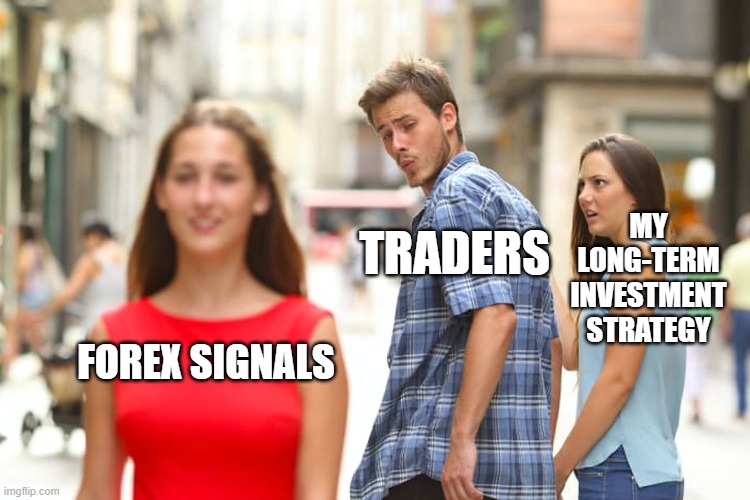
WWhen the market tempts you more than your strategy

Not all signals are made equal