Stock trading in New Zealand has seen remarkable growth as more individuals recognize its potential for wealth creation. This surge in interest highlights the necessity of selecting the best stock brokers in New Zealand to ensure a seamless and reliable trading experience in 2026. With numerous options available, choosing the right broker becomes pivotal for both experienced traders and newcomers.
Key factors for evaluating brokers include low trading fees, robust trading platforms, adherence to Financial Markets Authority regulations, and features like advanced charting tools and educational resources. These criteria ensure access to global markets, managed funds, and a diverse range of assets, enabling informed trading decisions for retail investors aiming to excel in the stock market and beyond.
The 25 Best Stock Brokers in New Zealand in 2026
#1. eToro
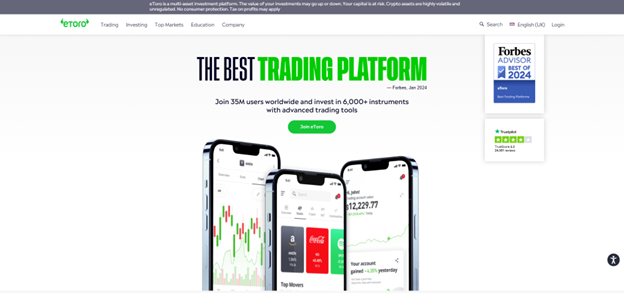
What is eToro?
eToro is a multi-asset trading platform that allows users to invest in stocks, cryptocurrencies, and more. It is known for its social trading feature, enabling users to copy the trades of successful investors. The platform is user-friendly and caters to beginners and experienced traders.
Advantages and Disadvantages of eToro
 Advantages
 Disadvantages
eToro Commissions and Fees
eToro operates with zero commission on stock trading, making it attractive to budget-conscious investors. However, it charges spreads on trades, which can be higher compared to other platforms. There are fees for withdrawals and inactivity, adding to the overall costs. Users should carefully review the fee structure to understand its impact on their investments.
OPEN AN ACCOUNT NOW WITH ETORO AND GET YOUR WELCOME BONUS
#2. IG Markets
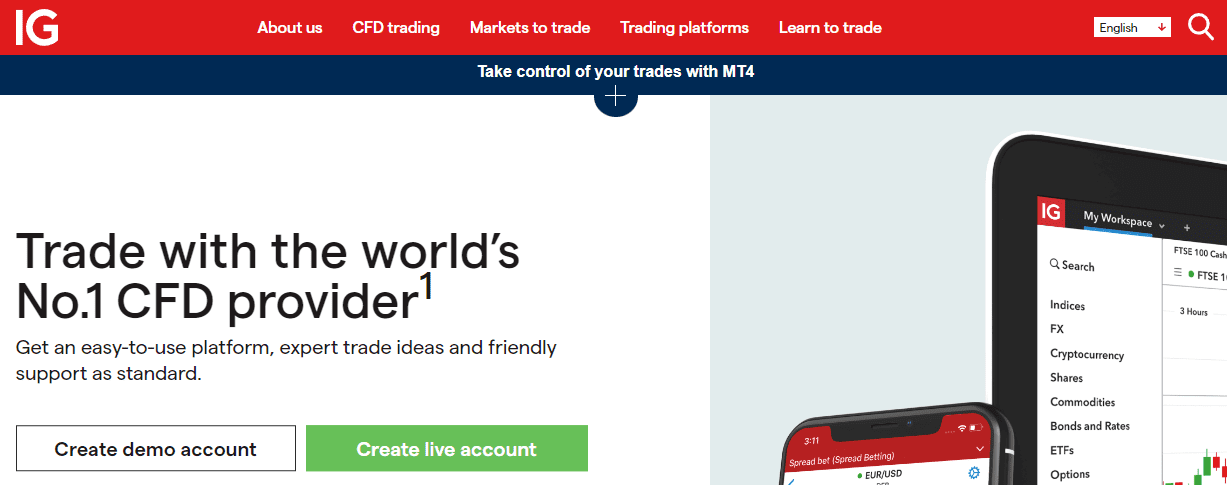
What is IG Markets?
IG Markets is a globally recognized broker specializing in CFDs and forex trading. It offers access to a broad range of financial markets, including stocks, indices, and commodities. Known for its user-friendly platform and robust tools, IG Markets caters to both beginner and advanced traders. The broker is also regulated by top-tier authorities, ensuring high standards of safety and transparency.
Advantages and Disadvantages of IG Markets
IG Markets Commissions and Fees
IG Markets charges competitive spreads, which start as low as 0.6 pips for forex trading. While most trades are commission-free, specialized products like share CFDs may incur fees. The platform applies inactivity fees after two years without trading, which some users may find restrictive. Overall, costs remain transparent and suitable for frequent traders.
OPEN AN ACCOUNT NOW WITH IG MARKETS AND GET YOUR WELCOME BONUS
#3. Plus500
What is Plus500?
Plus500 is a widely recognized online trading platform offering access to CFDs across various asset classes, including forex, stocks, commodities, and cryptocurrencies. It is known for its user-friendly interface, making it suitable for both beginners and experienced traders. Plus500 also provides advanced trading tools, ensuring flexibility and convenience in managing trades.
Advantages and Disadvantages of Plus500
Plus500 Commissions and Fees
Plus500 primarily earns through tight spreads, making it a cost-efficient platform for frequent traders. It does not charge commissions on trades, simplifying the fee structure for users. However, additional costs like inactivity fees and overnight funding charges apply. These fees should be carefully considered to avoid unexpected expenses.
OPEN AN ACCOUNT NOW WITH PLUS500 AND GET YOUR WELCOME BONUS
#4. ASB Securities
What is ASB Securities?
ASB Securities is a New Zealand-based online trading platform offering access to stocks, bonds, and ETFs. It is operated by ASB Bank and caters primarily to retail investors seeking a straightforward interface for investing. The platform is known for its user-friendly tools and integration with ASB Bank accounts, making it convenient for existing customers.
Advantages and Disadvantages of ASB Securities
ASB Securities Commissions and Fees
ASB Securities charges competitive fees for its services, with rates starting at $15 for online trades under $1,000. The fee structure increases with trade value, making it cost-effective for frequent and high-value traders. However, higher fees for broker-assisted trades may deter some investors. The platform offers no subscription or account maintenance fees, appealing to casual traders.
OPEN AN ACCOUNT NOW WITH ASB SECURITIES AND GET YOUR WELCOME BONUS
#5. CMC Markets
What is CMC Markets?
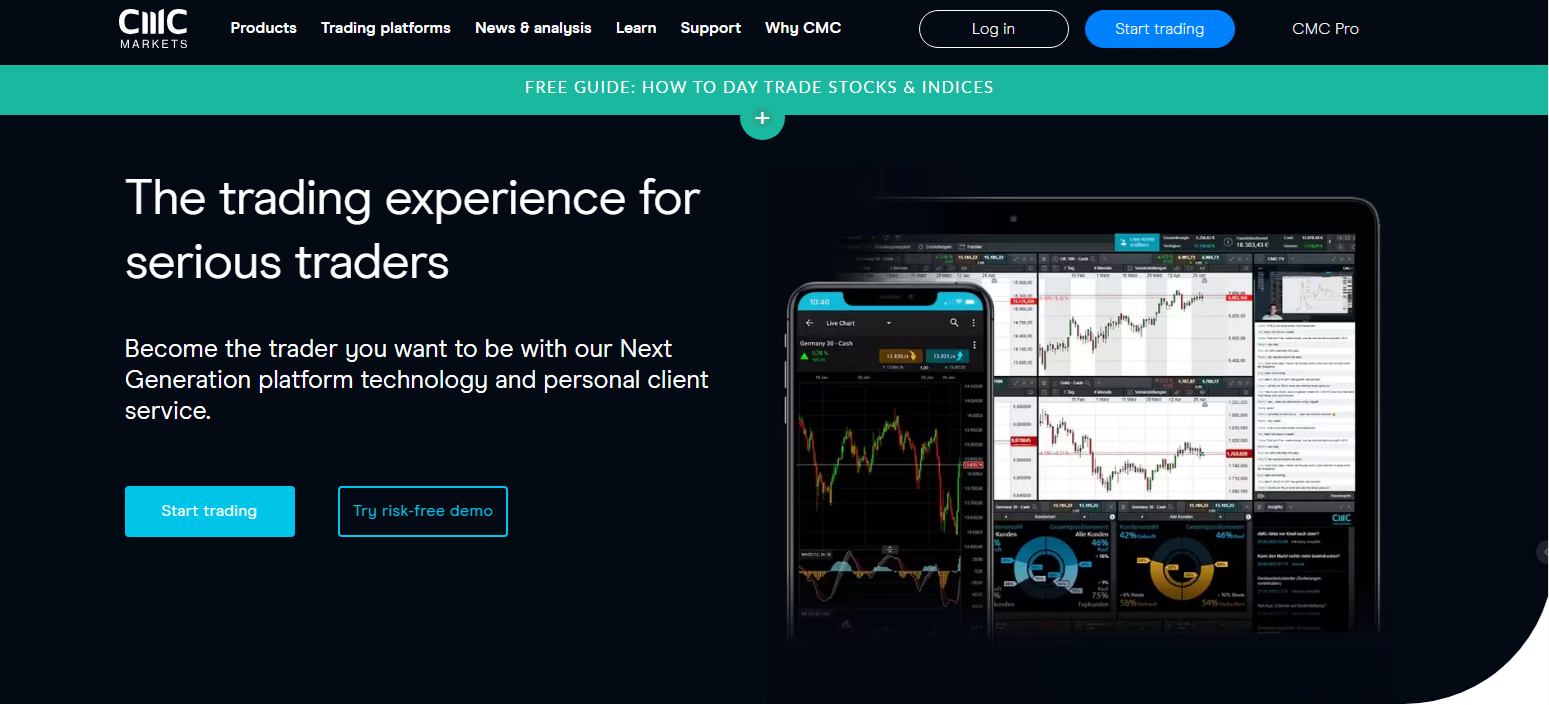
CMC Markets is a global online broker that provides access to CFDs, forex trading, and spread betting. Known for its robust trading platform, it offers advanced charting tools, real-time pricing, and extensive market research. The broker caters to both beginners and professional traders with competitive pricing and a vast range of tradable instruments.
Advantages and Disadvantages of CMC Markets
CMC Markets Commissions and Fees
CMC Markets charges competitive spreads on forex pairs and low commissions for certain asset classes. However, traders may encounter additional fees, such as overnight holding charges and inactivity fees. The broker's transparent fee structure allows users to understand potential costs upfront. Despite its advantages, fees may vary based on account type and trading volume.
OPEN AN ACCOUNT NOW WITH CMC MARKETS AND GET YOUR WELCOME BONUS
| Rank | Name | Description |
| 6 | Hatch | Hatch is an online investment platform founded in New Zealand that allows Kiwis to invest in US stocks and ETFs. It offers a straightforward, flat-fee commission structure and a user-friendly platform focused on U.S. stocks and ETFs. Hatch provides educational resources, community support, and features like free ‘Getting Started’ course, no monthly subscription costs, and ownership of shares with voting rights and dividends even on fractions. It also has NZ-based customer support. Ideal for simple U.S. market investing. |
| 7 | Sharesies | Sharesies is a homegrown online investment platform founded in 2016, offering access to over 6700 companies, ETFs, and managed funds across NZ, Australia, and the US, including NZX, Nasdaq, NYSE, CBOE, and ASX. It pioneered fractional investing in New Zealand, allowing users to buy portions of shares. Key features include low brokerage fees, auto-invest option, investing educational materials, low-cost kids plans, and a range of plans. It's user-friendly and suitable for beginners with no minimum investment. |
| 8 | Tiger Brokers | Tiger Brokers provides access to NZ stocks and international markets including Australia, China, Hong Kong, Singapore, and the US. It offers a low commission structure with zero-commission trades on local and Australian exchanges. Features include competitive transaction and currency exchange fees, customizable app, in-depth level II US & AU market data, free demo account with US$100K, 24/7 access to analytical tools and financial news, and welcome promotions with zero transaction fees for select trades. It's user-friendly for both beginners and advanced traders. |
| 9 | Saxo Bank | Saxo Bank is a global online broker offering investment in over 19,000 shares across various markets. It provides access to a wide range of financial instruments including stocks, bonds, ETFs, forex, and more. Known for its advanced trading platforms, comprehensive research tools, and competitive pricing. Saxo Bank caters to both retail and professional investors with features like portfolio management and educational resources. It's regulated in multiple jurisdictions, ensuring safety and transparency for New Zealand traders. |
| 10 | TradeStation | TradeStation is a broker with great educational resources, offering advanced trading platforms for stocks, options, futures, and cryptocurrencies. It provides powerful charting tools, automated trading capabilities, and in-depth market analysis. Suitable for active traders, it features low commissions, customizable interfaces, and a vast array of technical indicators. TradeStation also offers simulated trading accounts for practice. It's well-regarded for its technology-driven approach to trading. |
| 11 | Macquarie Group | Macquarie Group provides access to NZ and international shares through its brokerage services. As a global financial services provider, it offers wealth management, investment banking, and trading platforms. Features include research reports, portfolio advisory, and access to global markets. Macquarie is known for its robust infrastructure and competitive fees, catering to both individual and institutional investors in New Zealand. |
| 12 | Jarden | Jarden is a popular NZ-based broker offering wealth management services, equity trading, and investment advice. It provides access to NZX and international markets with personalized guidance. Known for its research team and corporate finance expertise, Jarden helps clients with portfolio construction and market insights. It's a full-service broker suitable for serious investors seeking comprehensive support. |
| 13 | Forsyth Barr | Forsyth Barr is a privately owned company established in 1982, offering wealth management, investment advice, equity research, corporate finance, and capital markets services. It has a strong reputation and has won awards for its services. Provides online share broking for NZX-listed securities. Features personalized dealing guidance and access to managed funds. Headquartered in Auckland, it's ideal for Kiwi investors seeking professional advice. |
| 14 | Somerset Smith Partners | Somerset Smith Partners, founded in 2001, offers portfolio management, advisory services, and execution-only trading with a focus on ethical and sustainable investing. It has a strong research team providing market analysis. Provides access to shares, ETFs, and funds. Known for its client-centric approach and low fees for active traders. Headquartered in Onekawa, New Zealand. |
| 15 | InvestNow | InvestNow is an online investment platform owned by Implemented Investment Solutions Limited, based in Auckland. It offers access to managed funds, index funds, and ETFs with low fees. Features include diversified portfolios, automatic rebalancing, and educational resources. Suitable for passive investors looking for simple, cost-effective ways to invest in New Zealand and global markets. |
| 16 | Stake | Stake is an Australia-based fintech company offering investment in over 9500+ US stocks and ETFs. It provides a fully regulated brokerage account with digital automated US tax form completion and simple reporting. Features limit and stop orders commission-free, no inactivity fee, and user-friendly app. Recently focused on the NZ market with Stake Zero for low-cost trading. |
| 17 | Superhero | Superhero is an Australian trading platform established in 2020 for buying and selling shares and ETFs across Australian and US markets. It offers no account fees, low minimum investment, free transferring of shares from another broker, and free live market data. Provides a simple interface suitable for beginners and cost-conscious investors in New Zealand. |
| 18 | BlackBull Markets | BlackBull Markets is an Auckland-based NZ forex and stock broker regulated by FMA. It offers excellent leverage, fast execution, and platforms like MT4, MT5, TradingView. Trades over 23,000 CFD instruments including global shares. No minimum deposit for standard account, low spreads, and 24/6 NZ-based support. Ideal for active traders seeking high-speed execution. |
| 19 | TMGM | TMGM is a broker with FMA license, focusing on tight spreads and fast ECN execution. Platforms include MT4, MT5, IRESS for share trading with DMA. Offers 1,200 shares, forex, indices. Accounts with low minimums, segregated funds in NZ banks. Suitable for traders wanting low costs and advanced tools. |
| 20 | RockGlobal | RockGlobal is a truly NZ-based broker with FMA license, offering CFDs and physical assets. Platforms: MT4, TWS. Accounts with spreads from 0.0 pips. Products include stocks from 14 countries, forex, crypto. Features STP execution, dedicated managers, education. Good for diversified trading with local support. |
| 21 | Axi | Axi focuses on MT4 with copy trading via ZuluTrade. FMA regulated, offers stocks, forex, indices, crypto. Accounts with no minimum, low spreads. Enhanced MT4 features, NDD execution. Strong in commodities. Suitable for social traders and those preferring MT4 platform. |
| 22 | ThinkMarkets | ThinkMarkets offers Islamic accounts, platforms like MT4, MT5, ThinkTrader. No commissions on spreads, social/copy trading with ZuluTrade. Products: stocks, forex, crypto, commodities. FMA via Australian entity. Good for mobile trading with advanced indicators and scanners. |
| 23 | Craigs Investment Partners | Craigs Investment Partners, established in 1992, is a full-service investment firm offering equities, bonds, and managed funds. It has a strong research team providing in-depth analysis of New Zealand and international markets. Provides wealth management and advisory services. Headquartered in Tauranga, New Zealand. Ideal for comprehensive investment solutions. |
| 24 | ANZ Securities | ANZ Securities is a full-service stockbroking firm providing online trading, research, and advice, including equities, fixed-income securities, and structured products. Associated with ANZ Bank, it offers seamless integration with banking services. Features user-friendly platforms and market analysis tools for New Zealand traders. |
| 25 | Direct Broking | Direct Broking is an online broking firm providing access to shares, ETFs, and managed funds with a user-friendly trading platform and market research. Owned by ANZ Bank, it's fully licensed and regulated. Offers low fees and educational resources, suitable for DIY investors in New Zealand. |
How to Choose the Best Stock Broker in New Zealand
Selecting the best stock brokers in New Zealand requires assessing fees, platform usability, and regulatory oversight by the Financial Markets Authority. A good broker aligns with your trading goals, whether you’re interested in forex trading, share trading, or managed funds. Consider brokers offering low trading fees, robust trading tools, and features like advanced charting tools to support your trading strategies.
Look for brokers providing online share trading platforms with extensive market access to global markets, including international stocks and exchange traded funds. Evaluate brokerage fees, account fees, and currency exchange fees to ensure cost-effectiveness. Features like free demo accounts, support for automated trading, and educational resources can also improve your trading experience, especially for zealand traders and retail investor accounts.
Also Read: The Best Binary Brokers in New Zealand in 2026: Profitable Choices
Conclusion
When choosing the best stock brokers in New Zealand, it’s essential to assess their standout features, such as low trading fees, access to global markets, and advanced trading tools. Brokers like CMC Markets and Interactive Brokers excel with their competitive spreads, robust trading platforms, and extensive support for international stocks and forex trading. Key considerations include brokerage fees, portfolio investment entity options, and access to market data for informed trading decisions.
Ultimately, evaluating online share trading platforms requires aligning features like educational resources, automated trading, and market analysis with personal goals. Whether focusing on managed funds, share trading accounts, or capital gains, New Zealand traders must balance trading costs with their trading preferences. A free demo account is an excellent way to test strategies before actively investing in financial markets.
FAQ
What factors should I consider when choosing a stockbroker in New Zealand?
When selecting a stockbroker in New Zealand, prioritize regulatory compliance with local authorities to ensure safety. Evaluate trading fees, including commissions and spreads, to minimize costs. Assess the usability of the trading platform, looking for intuitive interfaces and advanced tools like charting. Consider access to diverse markets, including local and international stocks, ETFs, and foreign exchange (forex). Check for educational resources, demo accounts, and customer support quality. Align the broker's offerings with your experience level and investment goals, whether you're a beginner or advanced trader, to optimize your trading experience.
Are stock brokers in New Zealand regulated?
Yes, reputable stock brokers in New Zealand must be regulated by the Financial Markets Authority (FMA), which oversees financial services to protect investors. Regulation ensures brokers adhere to strict standards for transparency, fund security, and fair practices. Always verify a broker's FMA license before opening an account. This oversight helps prevent fraud and provides recourse through dispute resolution schemes. Unregulated brokers pose significant risks, including potential loss of funds. By choosing regulated entities, traders can engage in the market with greater confidence and legal protection.
What are the typical fees associated with stock trading in New Zealand?
Stock trading fees in New Zealand include brokerage commissions per trade, which vary based on trade value and frequency. Spreads represent the difference between buy and sell prices, impacting costs. Additional charges may cover currency conversions for international trades, inactivity if accounts are dormant, and withdrawal fees. Some platforms charge for advanced tools or data access. To manage expenses, compare fee structures and opt for those offering low or zero commissions on certain assets. Understanding these costs is crucial for maintaining profitability in your investment strategy.
How do I open a stock trading account in New Zealand?
To open a stock trading account in New Zealand, start by researching regulated brokers. Complete an online application form providing personal details, identification, and proof of address. Undergo verification processes to comply with anti-money laundering regulations. Fund your account via bank transfer or other accepted methods. Many platforms offer demo accounts for practice. Once approved, familiarize yourself with the interface and tools. Ensure you understand the risks involved and consider starting with small investments. This process typically takes a few days to complete.
What types of assets can I trade through stock brokers in New Zealand?
Stock brokers in New Zealand offer access to various assets, including local shares on the NZX, international stocks from major exchanges, exchange-traded funds (ETFs), and managed funds. Many also provide contracts for difference (CFDs) on commodities, indices, forex, and cryptocurrencies. Bonds and options may be available for diversified portfolios. This range allows investors to build strategies across global markets. Always review the broker's asset list to match your investment preferences, ensuring exposure to both domestic and overseas opportunities for balanced risk management.
Is mobile trading available for stock brokers in New Zealand?
Yes, most stock brokers in New Zealand provide mobile apps for trading on smartphones and tablets. These apps offer real-time market data, charting tools, and order execution capabilities. Users can monitor portfolios, receive alerts, and trade on the go. Ensure the app is secure with features like two-factor authentication. Mobile trading enhances flexibility for busy investors, allowing quick responses to market changes. However, screen size limitations may affect complex analysis, so complement with desktop platforms for in-depth research and strategy development.
What educational resources do stock brokers in New Zealand typically offer?
Stock brokers in New Zealand often provide educational resources like webinars, tutorials, and articles on trading basics, market analysis, and risk management. These may include video courses on technical indicators, fundamental analysis, and portfolio diversification. Glossaries, ebooks, and market news updates help build knowledge. Some offer simulated trading environments to practice without risk. Utilizing these resources can empower beginners to make informed decisions and improve skills over time, fostering long-term success in the financial markets.
Do stock brokers in New Zealand offer demo accounts?
Many stock brokers in New Zealand provide demo accounts, allowing users to practice trading with virtual funds in a simulated environment. These accounts mirror real market conditions, enabling testing of strategies without financial risk. They include access to tools, charts, and data for realistic experience. Ideal for beginners, demo accounts help build confidence and familiarity with platforms. Transition to live trading once comfortable, but remember that emotional factors differ in real scenarios. Always use demos to refine approaches before committing actual capital.
Can I access international markets through New Zealand stock brokers?
Yes, numerous stock brokers in New Zealand facilitate access to international markets, including major exchanges in the US, Europe, Asia, and Australia. This allows trading in global stocks, ETFs, and other instruments. Currency conversion fees may apply, so factor them into costs. Such access enables portfolio diversification beyond local assets, potentially reducing risk. Ensure the broker supports your desired markets and provides necessary tools for analysis. This global reach is beneficial for investors seeking opportunities in emerging or established economies.
What are the tax implications of stock trading in New Zealand?
In New Zealand, stock trading profits may be subject to income tax if considered trading activity rather than long-term investing. The Inland Revenue Department (IRD) assesses based on intent and frequency. Capital gains on shares are generally not taxed for buy-and-hold strategies, but FIFO rules apply for sales. Dividends may incur resident withholding tax. Keep detailed records for compliance. Consult a tax advisor to understand personal obligations, as rules can vary. Proper tax management ensures you retain more of your investment returns.
How secure are my funds with a stock broker in New Zealand?
Funds with regulated stock brokers in New Zealand are protected through segregation in client trust accounts, separate from the broker's operations. FMA oversight ensures compliance with security standards. Many participate in investor compensation schemes for added protection against broker insolvency. Use strong passwords and enable two-factor authentication. Brokers employ encryption for data transmission. While no investment is risk-free, these measures minimize threats from cyber attacks or mismanagement, providing peace of mind for traders.
What kind of customer support do stock brokers in New Zealand offer?
Stock brokers in New Zealand typically offer customer support via phone, email, live chat, and sometimes in-person consultations. Support hours often align with market times, with some providing 24/7 assistance. Teams assist with account setup, technical issues, and trading queries. FAQs and knowledge bases address common concerns. Quality support enhances user experience, especially for resolving urgent matters. Evaluate response times and availability when choosing a broker to ensure reliable help when needed.
What trading platforms are commonly used by stock brokers in New Zealand?
Stock brokers in New Zealand use proprietary or third-party platforms offering features like real-time quotes, customizable charts, and order types. These include web-based interfaces for desktops and apps for mobile devices. Advanced platforms support algorithmic trading and API integrations. User-friendly designs cater to beginners, while sophisticated tools suit experienced traders. Ensure compatibility with your devices and preferences. A robust platform is key to efficient trading and informed decision-making in dynamic markets.
What is leverage and margin in stock trading in New Zealand?
Leverage allows traders in New Zealand to control larger positions with smaller capital, amplifying potential profits and losses. Margin is the collateral required to open leveraged trades. Regulated brokers set limits to manage risk, often requiring maintenance margins to avoid liquidation. Understand the risks, as market volatility can lead to significant losses exceeding initial investments. Use leverage cautiously, starting with low ratios. Education on these concepts is essential for responsible trading and preserving capital.
What risks are involved in stock trading in New Zealand?
Stock trading in New Zealand involves market risk from price fluctuations, potentially leading to losses. Liquidity risk arises if assets can't be sold quickly without impacting prices. Currency risk affects international trades due to exchange rate changes. Leverage can magnify losses. Economic events, geopolitical issues, and company-specific news influence outcomes. Diversification and stop-loss orders help mitigate risks. Always trade with money you can afford to lose and continuously educate yourself to navigate these challenges effectively.
How does stock trading differ for beginners versus experienced traders in New Zealand?
Beginners in New Zealand should focus on user-friendly platforms with educational resources and low minimum deposits to learn basics without high risk. They benefit from demo accounts and simple strategies. Experienced traders seek advanced tools, tight spreads, and access to diverse markets for complex strategies like options or forex. Both need regulation, but veterans may prioritize customization and speed. Start small, build knowledge, and scale as expertise grows to achieve sustainable success in the markets.
What are managed funds in the context of stock brokers in New Zealand?
Managed funds pool investor money to buy diversified assets like stocks and bonds, managed by professionals. In New Zealand, stock brokers often offer access to these for hands-off investing. They provide exposure to markets without individual stock picking, reducing risk through diversification. Fees include management costs. Suitable for those lacking time or expertise, they align with long-term goals. Review fund performance, risks, and alignment with your objectives before investing.
Should I choose a local or global stock broker in New Zealand?
Local stock brokers in New Zealand offer familiarity with NZX regulations and easier customer support in local time zones. They may provide tailored services for Kiwi investors. Global brokers expand access to international markets with advanced tools and competitive fees. Consider your trading focus: domestic for simplicity or international for diversity. Ensure any choice is FMA-regulated for security. Balance costs, features, and accessibility to match your investment strategy effectively.
What is online share trading in New Zealand?
Online share trading in New Zealand involves buying and selling shares via digital platforms provided by brokers. It offers real-time access to NZX and global exchanges, with tools for analysis and order execution. Benefits include convenience, lower costs than traditional methods, and portfolio tracking. Users can trade from anywhere with internet. Start with education on market dynamics and risks. This method democratizes investing, making it accessible for retail investors seeking wealth growth.
How can I improve my trading decisions in the New Zealand stock markets?
Improve trading decisions in New Zealand by utilizing market data, news, and analysis tools available on broker platforms. Develop strategies based on technical and fundamental analysis. Set clear goals, risk tolerances, and use stop-loss orders. Diversify across assets to spread risk. Stay informed on economic indicators and global events affecting markets. Continuous learning through resources and practice enhances judgment. Avoid emotional trading; base decisions on data for better outcomes over time.