Learn To Trade Forex • Best Forex Trading Course • AsiaForexMentor

A Comprehensive Exploration of FCA Regulated Forex Brokers 2026

Written by

Ezekiel Chew

Updated on

January 2, 2026

i

A Comprehensive Exploration of FCA Regulated Forex Brokers 2026

Overall Trust Index

Written by:

Last updated on:

January 2, 2026

In the grand theatre of global finance, Forex trading plays a starring role, with a daily turnover exceeding $6.6 trillion. Integral to this vast ecosystem are Forex brokers, serving as pivotal bridges between individual traders and the markets. The choice of a dependable broker can significantly influence a trader's trajectory.

Regulatory bodies such as the Financial Conduct Authority (FCA) lend credibility to brokers, thus adding an extra layer of security for traders. In this comprehensive guide, we delve into the world of FCA-regulated Forex brokers, the rigorous application process, the regulatory framework, potential scams, and a selection of top-rated FCA-regulated brokers.

History of FCA Forex Regulator
Birthed in 2013, the UK's Financial Conduct Authority (FCA) replaced its predecessor, the Financial Services Authority (FSA), in a bid to ensure higher standards of conduct in the financial services industry. Tasked with regulating over 59,000 financial services firms and markets, the FCA shoulders a colossal responsibility to maintain transparency, competitiveness, and fair treatment for consumers in the UK's financial marketplace.

Why Forex Brokers Choose FCA

Brokers choose FCA regulation for numerous reasons. Firstly, being regulated by the FCA significantly boosts a broker's credibility, given the FCA's stringent ethical and professional standards. Traders are naturally more inclined to trust a broker backed by a reputable regulatory body.

Secondly, FCA's rules provide a safety net for brokers and investors. The FCA mandates all brokers to maintain a certain level of net capital and to segregate client funds from company funds, which safeguards clients' investments from potential company-related risks.

Thirdly, in the event of a dispute, the FCA functions as a competent authority to intervene and resolve issues. This reassures traders that they can seek redress if they feel wronged.

Lastly, the FCA extends the Financial Services Compensation Scheme (FSCS), which can compensate clients up to £85,000 if a broker becomes insolvent. This significant feature lends an additional layer of security, motivating brokers to opt for FCA regulation.

Application Process for Brokers

The FCA's stringent application process ensures that only competent brokers receive regulation:

  • The broker must complete a detailed application form, showcasing its readiness to adhere to FCA's regulations.
  • Necessary documents, such as a comprehensive business plan, risk assessment procedures, and proof of capital adequacy, must be submitted.
  • The firm must pass the ‘Fit and Proper Test' that ascertains the competence and integrity of its management and key personnel.
  • The broker must agree to adhere to FCA's ‘Principles for Business,' which dictate a fair, transparent, and professional conduct.
  • Regular audits and submission of annual financial reports to the FCA are required to maintain transparency and prove continued compliance.

FCA Regulations on FX Brokers

The FCA's regulatory framework revolves around several key aspects:

  • Capital Adequacy: Brokers must maintain a minimum of £730,000 as operating capital to demonstrate financial stability.
  • Client Fund Segregation: To safeguard client funds, brokers must keep them separate from the company's money.
  • Reporting: Brokers are required to submit periodic financial reports to the FCA, ensuring transparency and ongoing compliance.
  • Fair Treatment: FCA's guidelines mandate fair treatment of clients, discouraging any manipulative practices or misuse of client information.
  • Dispute Resolution: FCA-regulated brokers must offer the Financial Ombudsman Service for dispute resolution, ensuring clients have a recourse in case of grievances.

Scams Associated with FCA Regulated Brokers

While FCA regulation significantly mitigates the risk of scams, there have been cases where even FCA-regulated brokers were implicated in fraudulent activities. These typically include platform manipulation, misleading advertisements, hidden fees, or providing unasked and deceptive investment advice to traders. Traders need to remain vigilant and report any suspicious activities to the FCA immediately.

Best FCA Regulated Brokers

#1. Exness
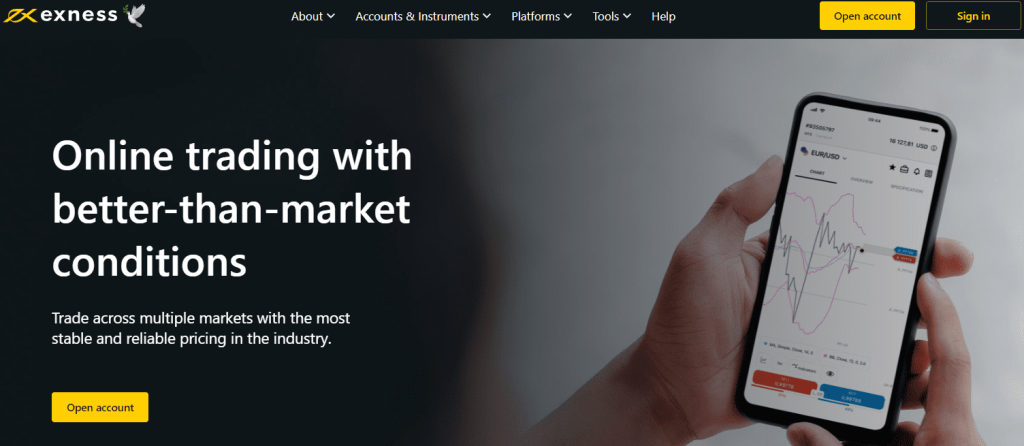
Exness is a globally recognized Forex broker that was established in 2008. The company's headquarters are based in Cyprus, and it operates under the regulatory oversight of several financial bodies, including the FCA in the UK and the Cyprus Securities and Exchange Commission (CySEC).

Exness provides an extensive range of trading services, including Forex, commodities, indices, and cryptocurrencies. It is renowned for its robust technological infrastructure, diverse trading account types, instant withdrawal services, and competitive spreads. Furthermore, Exness emphasizes transparency, providing audited financial reports accessible to the public.

Advantages and Disadvantages Trading with Exness

  Advantages  Disadvantages
  • Exness boasts low trading costs, appealing to all traders, particularly those with high trading volumes.
  • It provides flexible leverage of up to 1:2000, enabling traders with smaller capital to open large positions.
  • With instant withdrawal options, traders can access their funds promptly when needed.
  • Exness has a limited array of educational resources, which may prove challenging for novice traders.
  • The lack of fixed spread accounts might not appeal to certain trading strategies.

Commissions and Fees

Exness offers different account types, each with a distinct fee structure. Standard accounts are commission-free but have higher spreads, whereas Pro and Zero accounts have lower spreads but charge a commission per trade.


#2. Plus500
What is Plus500?

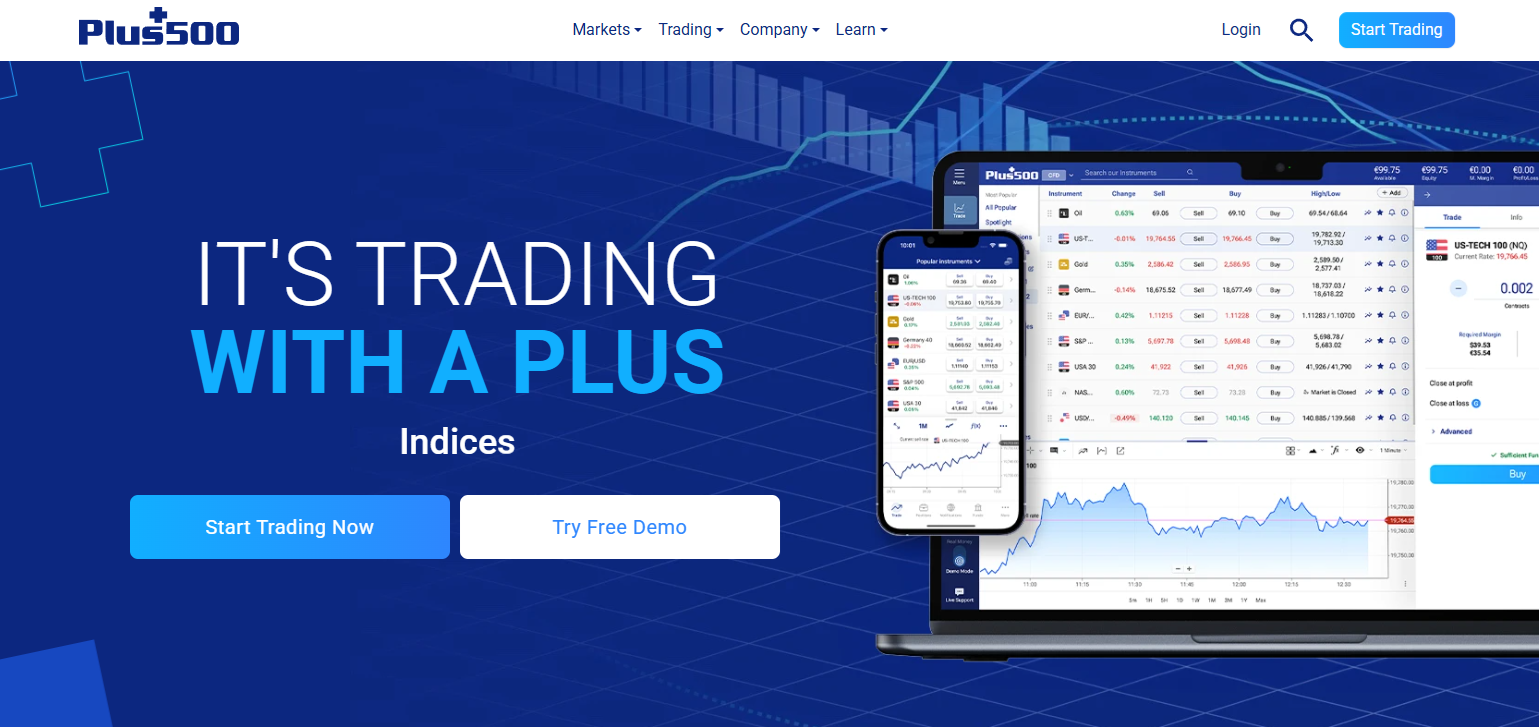
Plus500 is a prominent Contracts for Difference (CFD) provider, offering a diverse range of financial instruments, including commodities, forex, indices, and shares. The platform is renowned for its user-friendly interface, advanced charting tools, and real-time alerts, facilitating efficient and informed trading decisions. Operating under the stringent oversight of the Financial Conduct Authority (FCA) in the UK, Plus500 ensures a secure and transparent trading environment. This regulatory compliance, coupled with its comprehensive features, positions Plus500 as a preferred choice for traders seeking a reliable FCA-regulated broker.

Advantages and Disadvantages of Plus500

  Advantages  Disadvantages
  • Zero trading commissions

  • Wide CFD selection

  • Simple proprietary platform

  • Strong global regulation

  • Clear fee structure

  • High inactivity fee

  • Mark-up spreads

  • No MT4/MT5

  • Currency conversion charges

  • Market-maker only

Commissions and Fees

Plus500 primarily generates revenue through the market spread, which is the difference between the buy and sell prices of an instrument, and does not impose commissions on trades. However, traders should be mindful of additional fees, such as overnight funding, which applies when holding a position after a specified time, and a currency conversion fee of up to 0.7% for trades on instruments denominated in a currency different from the account's base currency.


OPEN AN ACCOUNT NOW WITH PLUS500 AND GET YOUR WELCOME BONUS


#3. FXOpen
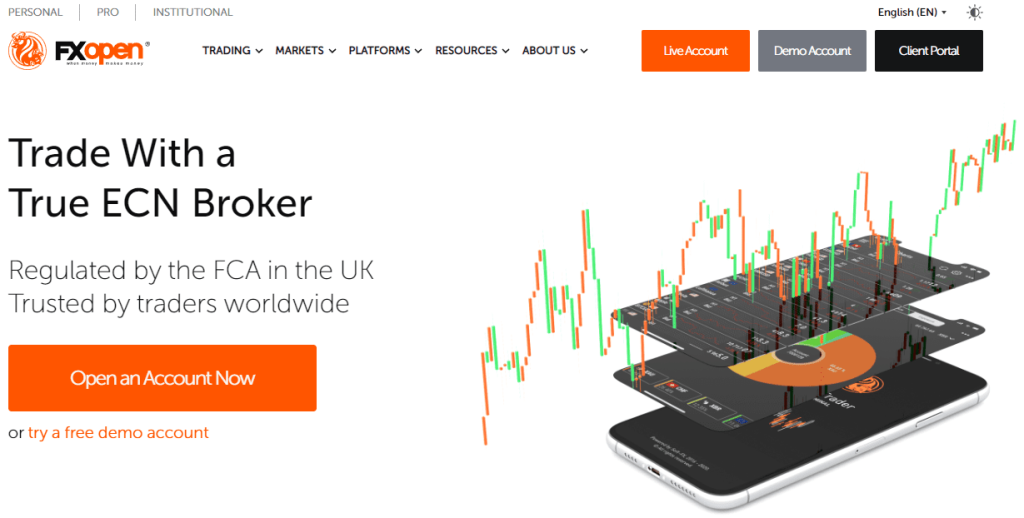
FXOpen is a leading Forex broker that began its journey in 2005. It was initially a training center before transitioning into a brokerage firm, armed with knowledge and insights into what traders need most. FXOpen operates under the regulatory purview of multiple authorities, including the FCA and the Australian Securities and Investments Commission (ASIC).

It is known for offering a vast range of trading instruments, an ECN trading environment, and cryptocurrency trading, a feature not commonly found among many brokers. Moreover, FXOpen provides its traders with access to the popular MetaTrader 4 and MetaTrader 5 platforms, which boast advanced trading tools and features.

Advantages and Disadvantages Trading with FXOpen

  Advantages  Disadvantages
  • FXOpen offers a vast range of trading instruments, accommodating diverse trading interests.
  • It offers an ECN trading environment, ensuring transparency and competitive spreads.
  • Unlike many other brokers, it allows cryptocurrency trading, opening a gateway to this high-volatility market.
  • A high minimum deposit requirement for ECN accounts might deter some traders.
  • Its limited educational resources could be a downside for those looking to enhance their trading knowledge.

Commissions and Fees

FXOpen charges a commission on its ECN and Crypto accounts, while the STP and Micro accounts are commission-free but come with wider spreads.


#4. HYCM
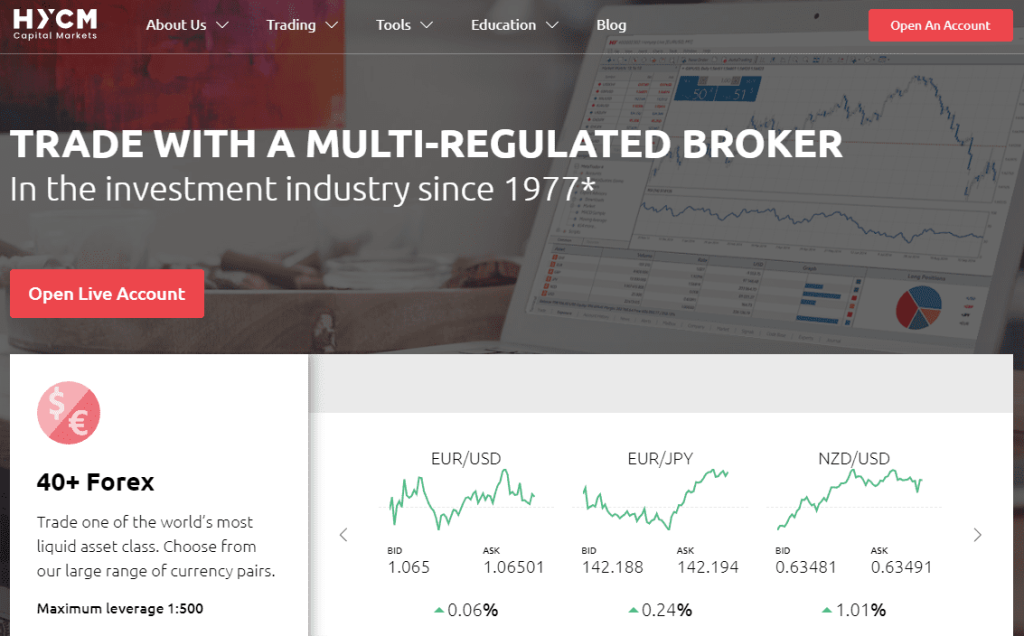
HYCM (Henyep Capital Markets) is an award-winning broker with over 40 years of experience in the financial markets. It operates under the regulations of multiple global authorities, including the FCA, the Cyprus Securities and Exchange Commission (CySEC), and the Dubai Financial Services Authority (DFSA).

HYCM offers a broad range of trading products across Forex, commodities, stocks, indices, and cryptocurrencies. It provides the MetaTrader 4 and MetaTrader 5 platforms, known for their robust features and user-friendly interfaces. The broker also offers comprehensive educational resources, making it a suitable choice for both new and seasoned traders.

Advantages and Disadvantages Trading with HYCM

  Advantages  Disadvantages
  • It offers the well-reputed MetaTrader platforms, preferred by many traders for their robust features.
  • Its diverse educational resources support trader development, catering to all learning styles.
  • The availability of multiple account types caters to various trading needs and styles.
  • Its withdrawal fees could potentially eat into traders' profits.
  • A limited product portfolio might narrow down trading opportunities.

Commissions and Fees

HYCM offers both spread-only and commission-based accounts. The fixed and classic accounts have no commission but wider spreads, while the Raw account has tighter spreads and charges a commission.


#5. Tickmill
Tickmill is a Forex and CFD broker that was established in 2014. It is regulated by several top-tier authorities, including the FCA, CySEC, and the Seychelles Financial Services Authority (FSA). Despite its relatively short operating history, Tickmill has earned a reputation for providing competitive spreads, high-speed order execution, and an extensive range of trading instruments.

It offers Forex, indices, commodities, and bond trading across the MetaTrader 4 platform. Along with these features, Tickmill also provides educational resources and trading tools, making it an appealing choice for traders of varying skill levels.

Advantages and Disadvantages Trading with Tickmill

  Advantages  Disadvantages
  • It features low trading and non-trading fees, making it a cost-effective choice for traders.
  • Its exceptional execution speed makes it ideal for scalpers and high-frequency traders.
  • It offers a robust education center, fostering knowledge and skill development among traders.
  • The lack of a diverse product portfolio might restrict trading opportunities.
  • Its relatively short operating history might deter traders who prefer more established brokers.

Commissions and Fees

Tickmill's commission and fee structure varies across its account types. Pro and VIP accounts charge a commission but feature tighter spreads, while the Classic account is commission-free but comes with higher spreads.


Conclusion

Choosing an FCA-regulated Forex broker is a wise move, considering the FCA's rigorous standards that ensure fairness, transparency, and security for traders. However, it's crucial to consider a broker's specific features, fee structure, and reputation before committing your funds. The brokers mentioned above stand out in the crowd for their unique strengths, but traders should align their broker choice with their specific trading needs, goals, and risk tolerance.

FAQs

Is FCA regulation mandatory for Forex brokers in the UK?

Yes, any Forex broker operating in the UK must be regulated by the FCA to ensure the protection of traders' interests and market integrity.

What happens if an FCA-regulated broker goes bankrupt?

If an FCA-regulated broker goes bankrupt, clients can claim compensation up to £85,000 from the Financial Services Compensation Scheme (FSCS).

Does FCA regulation apply to non-UK residents?

FCA protection extends to both UK and non-UK residents, given that they trade with an FCA-regulated broker.

Can I trade cryptocurrencies with an FCA-regulated broker?

Yes, provided the broker offers cryptocurrency trading. For instance, FXOpen, an FCA-regulated broker, offers cryptocurrency trading.

How do I verify a broker's FCA regulation?

You can verify a broker's FCA regulation by checking its status on the Financial Services Register on the FCA's website.


Asia Forex Mentor Recommends - 3 FCA Forex Brokers in 2023

About Ezekiel Chew​

Ezekiel Chew, founder and head of training at Asia Forex Mentor, is a renowned forex expert, frequently invited to speak at major industry events. Known for his deep market insights, Ezekiel is one of the top traders committed to supporting the trading community. Making six figures per trade, he also trains traders working in banks, fund management, and prop trading firms.

Ever chased a seemingly perfect signal only to watch the market turn on you? Or perhaps you tried using tools like Lux Algo for straightforward buy-and-sell signals, ending up more perplexed instead. If so, don’t worry—this is a common experience among traders of all levels. At Asia Forex Mentor, we

Read More

Bollinger Bands Trading Strategy and How to Trade Like Pros

Hey, what’s up guys, traders. It’s Ezekiel Chew here. Let me hit you with this. Most traders think they know how to use Bollinger Bands, but the Bands are actually the reason they keep blowing trades. They chase breakouts after the move is already gone. They short reversals before the

Read More

Reversal Trading Strategy: How Market Reversals Really Happen

Hey, what’s up guys, traders. It’s Ezekiel Chew here. Let me hit you with this. Most traders think they are catching reversals, but in reality, they are catching traps. The market does not reverse randomly. It reverses when smart money sweeps liquidity, traps traders, and flips the move while retail

Read More

VWAP Trading Strategy and How Pros Use VWAP

Hey, what’s up guys? It’s Ezekiel Chew here. So let me hit you with this. If you’ve ever taken what felt like a perfect trade, only to watch price reverse the moment you enter, boom, that’s not bad luck. That’s you trading right into institutional zones. Most traders chase candles.

Read More

What Is Volume Profile Trading for Sniper Entries?

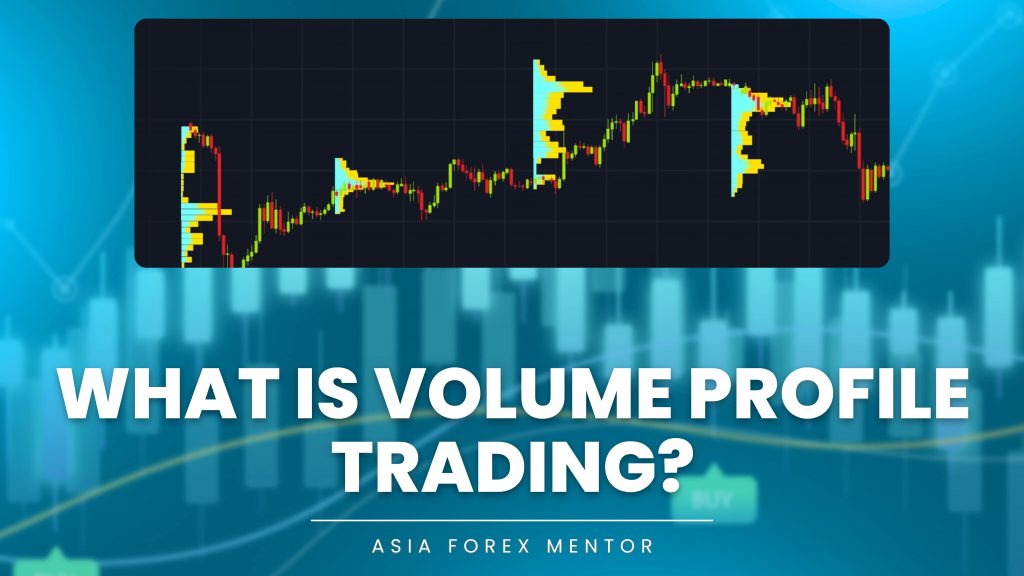
Hey, what’s up, traders! It’s Ezekiel Chew here, and today we’re going to talk about volume profile, one of the most powerful trading strategies that can make or break your success in the markets. Let me hit you with this: Most traders lose not because their strategy is broken, but

Read More

AFM Trading Summit Live

Date: Coming Soon

Join us at the AFM Trading Summit Live and learn from top industry experts through live trading sessions, market insights, and actionable strategies.

A Comprehensive Exploration of FCA Regulated Forex Brokers 2026

4.0
Overall Trust Index

Written by:

Updated:

January 2, 2026

In the grand theatre of global finance, Forex trading plays a starring role, with a daily turnover exceeding $6.6 trillion. Integral to this vast ecosystem are Forex brokers, serving as pivotal bridges between individual traders and the markets. The choice of a dependable broker can significantly influence a trader's trajectory.

Regulatory bodies such as the Financial Conduct Authority (FCA) lend credibility to brokers, thus adding an extra layer of security for traders. In this comprehensive guide, we delve into the world of FCA-regulated Forex brokers, the rigorous application process, the regulatory framework, potential scams, and a selection of top-rated FCA-regulated brokers.

History of FCA Forex Regulator

Birthed in 2013, the UK's Financial Conduct Authority (FCA) replaced its predecessor, the Financial Services Authority (FSA), in a bid to ensure higher standards of conduct in the financial services industry. Tasked with regulating over 59,000 financial services firms and markets, the FCA shoulders a colossal responsibility to maintain transparency, competitiveness, and fair treatment for consumers in the UK's financial marketplace.

Why Forex Brokers Choose FCA

Brokers choose FCA regulation for numerous reasons. Firstly, being regulated by the FCA significantly boosts a broker's credibility, given the FCA's stringent ethical and professional standards. Traders are naturally more inclined to trust a broker backed by a reputable regulatory body.

Secondly, FCA's rules provide a safety net for brokers and investors. The FCA mandates all brokers to maintain a certain level of net capital and to segregate client funds from company funds, which safeguards clients' investments from potential company-related risks.

Thirdly, in the event of a dispute, the FCA functions as a competent authority to intervene and resolve issues. This reassures traders that they can seek redress if they feel wronged.

Lastly, the FCA extends the Financial Services Compensation Scheme (FSCS), which can compensate clients up to £85,000 if a broker becomes insolvent. This significant feature lends an additional layer of security, motivating brokers to opt for FCA regulation.

Application Process for Brokers

The FCA's stringent application process ensures that only competent brokers receive regulation:

  • The broker must complete a detailed application form, showcasing its readiness to adhere to FCA's regulations.
  • Necessary documents, such as a comprehensive business plan, risk assessment procedures, and proof of capital adequacy, must be submitted.
  • The firm must pass the 'Fit and Proper Test' that ascertains the competence and integrity of its management and key personnel.
  • The broker must agree to adhere to FCA's 'Principles for Business,' which dictate a fair, transparent, and professional conduct.
  • Regular audits and submission of annual financial reports to the FCA are required to maintain transparency and prove continued compliance.

FCA Regulations on FX Brokers

The FCA's regulatory framework revolves around several key aspects:

  • Capital Adequacy: Brokers must maintain a minimum of £730,000 as operating capital to demonstrate financial stability.
  • Client Fund Segregation: To safeguard client funds, brokers must keep them separate from the company's money.
  • Reporting: Brokers are required to submit periodic financial reports to the FCA, ensuring transparency and ongoing compliance.
  • Fair Treatment: FCA's guidelines mandate fair treatment of clients, discouraging any manipulative practices or misuse of client information.
  • Dispute Resolution: FCA-regulated brokers must offer the Financial Ombudsman Service for dispute resolution, ensuring clients have a recourse in case of grievances.

Scams Associated with FCA Regulated Brokers

While FCA regulation significantly mitigates the risk of scams, there have been cases where even FCA-regulated brokers were implicated in fraudulent activities. These typically include platform manipulation, misleading advertisements, hidden fees, or providing unasked and deceptive investment advice to traders. Traders need to remain vigilant and report any suspicious activities to the FCA immediately.

Best FCA Regulated Brokers

#1. Exness

Exness is a globally recognized Forex broker that was established in 2008. The company's headquarters are based in Cyprus, and it operates under the regulatory oversight of several financial bodies, including the FCA in the UK and the Cyprus Securities and Exchange Commission (CySEC).

Exness provides an extensive range of trading services, including Forex, commodities, indices, and cryptocurrencies. It is renowned for its robust technological infrastructure, diverse trading account types, instant withdrawal services, and competitive spreads. Furthermore, Exness emphasizes transparency, providing audited financial reports accessible to the public.

Advantages and Disadvantages Trading with Exness

  Advantages  Disadvantages
  • Exness boasts low trading costs, appealing to all traders, particularly those with high trading volumes.
  • It provides flexible leverage of up to 1:2000, enabling traders with smaller capital to open large positions.
  • With instant withdrawal options, traders can access their funds promptly when needed.
  • Exness has a limited array of educational resources, which may prove challenging for novice traders.
  • The lack of fixed spread accounts might not appeal to certain trading strategies.

Commissions and Fees

Exness offers different account types, each with a distinct fee structure. Standard accounts are commission-free but have higher spreads, whereas Pro and Zero accounts have lower spreads but charge a commission per trade.


#2. Plus500

What is Plus500?

Plus500 is a prominent Contracts for Difference (CFD) provider, offering a diverse range of financial instruments, including commodities, forex, indices, and shares. The platform is renowned for its user-friendly interface, advanced charting tools, and real-time alerts, facilitating efficient and informed trading decisions. Operating under the stringent oversight of the Financial Conduct Authority (FCA) in the UK, Plus500 ensures a secure and transparent trading environment. This regulatory compliance, coupled with its comprehensive features, positions Plus500 as a preferred choice for traders seeking a reliable FCA-regulated broker.

Advantages and Disadvantages of Plus500

  Advantages  Disadvantages
  • Zero trading commissions

  • Wide CFD selection

  • Simple proprietary platform

  • Strong global regulation

  • Clear fee structure

  • High inactivity fee

  • Mark-up spreads

  • No MT4/MT5

  • Currency conversion charges

  • Market-maker only

Commissions and Fees

Plus500 primarily generates revenue through the market spread, which is the difference between the buy and sell prices of an instrument, and does not impose commissions on trades. However, traders should be mindful of additional fees, such as overnight funding, which applies when holding a position after a specified time, and a currency conversion fee of up to 0.7% for trades on instruments denominated in a currency different from the account's base currency.


OPEN AN ACCOUNT NOW WITH PLUS500 AND GET YOUR WELCOME BONUS


#3. FXOpen

FXOpen is a leading Forex broker that began its journey in 2005. It was initially a training center before transitioning into a brokerage firm, armed with knowledge and insights into what traders need most. FXOpen operates under the regulatory purview of multiple authorities, including the FCA and the Australian Securities and Investments Commission (ASIC).

It is known for offering a vast range of trading instruments, an ECN trading environment, and cryptocurrency trading, a feature not commonly found among many brokers. Moreover, FXOpen provides its traders with access to the popular MetaTrader 4 and MetaTrader 5 platforms, which boast advanced trading tools and features.

Advantages and Disadvantages Trading with FXOpen

  Advantages  Disadvantages
  • FXOpen offers a vast range of trading instruments, accommodating diverse trading interests.
  • It offers an ECN trading environment, ensuring transparency and competitive spreads.
  • Unlike many other brokers, it allows cryptocurrency trading, opening a gateway to this high-volatility market.
  • A high minimum deposit requirement for ECN accounts might deter some traders.
  • Its limited educational resources could be a downside for those looking to enhance their trading knowledge.

Commissions and Fees

FXOpen charges a commission on its ECN and Crypto accounts, while the STP and Micro accounts are commission-free but come with wider spreads.


#4. HYCM

HYCM (Henyep Capital Markets) is an award-winning broker with over 40 years of experience in the financial markets. It operates under the regulations of multiple global authorities, including the FCA, the Cyprus Securities and Exchange Commission (CySEC), and the Dubai Financial Services Authority (DFSA).

HYCM offers a broad range of trading products across Forex, commodities, stocks, indices, and cryptocurrencies. It provides the MetaTrader 4 and MetaTrader 5 platforms, known for their robust features and user-friendly interfaces. The broker also offers comprehensive educational resources, making it a suitable choice for both new and seasoned traders.

Advantages and Disadvantages Trading with HYCM

  Advantages  Disadvantages
  • It offers the well-reputed MetaTrader platforms, preferred by many traders for their robust features.
  • Its diverse educational resources support trader development, catering to all learning styles.
  • The availability of multiple account types caters to various trading needs and styles.
  • Its withdrawal fees could potentially eat into traders' profits.
  • A limited product portfolio might narrow down trading opportunities.

Commissions and Fees

HYCM offers both spread-only and commission-based accounts. The fixed and classic accounts have no commission but wider spreads, while the Raw account has tighter spreads and charges a commission.


#5. Tickmill

Tickmill is a Forex and CFD broker that was established in 2014. It is regulated by several top-tier authorities, including the FCA, CySEC, and the Seychelles Financial Services Authority (FSA). Despite its relatively short operating history, Tickmill has earned a reputation for providing competitive spreads, high-speed order execution, and an extensive range of trading instruments.

It offers Forex, indices, commodities, and bond trading across the MetaTrader 4 platform. Along with these features, Tickmill also provides educational resources and trading tools, making it an appealing choice for traders of varying skill levels.

Advantages and Disadvantages Trading with Tickmill

  Advantages  Disadvantages
  • It features low trading and non-trading fees, making it a cost-effective choice for traders.
  • Its exceptional execution speed makes it ideal for scalpers and high-frequency traders.
  • It offers a robust education center, fostering knowledge and skill development among traders.
  • The lack of a diverse product portfolio might restrict trading opportunities.
  • Its relatively short operating history might deter traders who prefer more established brokers.

Commissions and Fees

Tickmill's commission and fee structure varies across its account types. Pro and VIP accounts charge a commission but feature tighter spreads, while the Classic account is commission-free but comes with higher spreads.


Conclusion

Choosing an FCA-regulated Forex broker is a wise move, considering the FCA's rigorous standards that ensure fairness, transparency, and security for traders. However, it's crucial to consider a broker's specific features, fee structure, and reputation before committing your funds. The brokers mentioned above stand out in the crowd for their unique strengths, but traders should align their broker choice with their specific trading needs, goals, and risk tolerance.

FAQs

Is FCA regulation mandatory for Forex brokers in the UK?

Yes, any Forex broker operating in the UK must be regulated by the FCA to ensure the protection of traders' interests and market integrity.

What happens if an FCA-regulated broker goes bankrupt?

If an FCA-regulated broker goes bankrupt, clients can claim compensation up to £85,000 from the Financial Services Compensation Scheme (FSCS).

Does FCA regulation apply to non-UK residents?

FCA protection extends to both UK and non-UK residents, given that they trade with an FCA-regulated broker.

Can I trade cryptocurrencies with an FCA-regulated broker?

Yes, provided the broker offers cryptocurrency trading. For instance, FXOpen, an FCA-regulated broker, offers cryptocurrency trading.

How do I verify a broker's FCA regulation?

You can verify a broker's FCA regulation by checking its status on the Financial Services Register on the FCA's website.

Asia Forex Mentor Recommends - 3 FCA Forex Brokers in 2023

ezekiel chew asiaforexmentor

About Ezekiel Chew

Ezekiel Chew, founder and head of training at Asia Forex Mentor, is a renowned forex expert, frequently invited to speak at major industry events. Known for his deep market insights, Ezekiel is one of the top traders committed to supporting the trading community. Making six figures per trade, he also trains traders working in banks, fund management, and prop trading firms.

RELATED ARTICLES

A Comprehensive Exploration of FCA Regulated Forex Brokers 2026

4.0
Overall Trust Index

Written by:

Updated:

January 2, 2026

In the grand theatre of global finance, Forex trading plays a starring role, with a daily turnover exceeding $6.6 trillion. Integral to this vast ecosystem are Forex brokers, serving as pivotal bridges between individual traders and the markets. The choice of a dependable broker can significantly influence a trader's trajectory.

Regulatory bodies such as the Financial Conduct Authority (FCA) lend credibility to brokers, thus adding an extra layer of security for traders. In this comprehensive guide, we delve into the world of FCA-regulated Forex brokers, the rigorous application process, the regulatory framework, potential scams, and a selection of top-rated FCA-regulated brokers.

History of FCA Forex Regulator

Birthed in 2013, the UK's Financial Conduct Authority (FCA) replaced its predecessor, the Financial Services Authority (FSA), in a bid to ensure higher standards of conduct in the financial services industry. Tasked with regulating over 59,000 financial services firms and markets, the FCA shoulders a colossal responsibility to maintain transparency, competitiveness, and fair treatment for consumers in the UK's financial marketplace.

Why Forex Brokers Choose FCA

Brokers choose FCA regulation for numerous reasons. Firstly, being regulated by the FCA significantly boosts a broker's credibility, given the FCA's stringent ethical and professional standards. Traders are naturally more inclined to trust a broker backed by a reputable regulatory body.

Secondly, FCA's rules provide a safety net for brokers and investors. The FCA mandates all brokers to maintain a certain level of net capital and to segregate client funds from company funds, which safeguards clients' investments from potential company-related risks.

Thirdly, in the event of a dispute, the FCA functions as a competent authority to intervene and resolve issues. This reassures traders that they can seek redress if they feel wronged.

Lastly, the FCA extends the Financial Services Compensation Scheme (FSCS), which can compensate clients up to £85,000 if a broker becomes insolvent. This significant feature lends an additional layer of security, motivating brokers to opt for FCA regulation.

Application Process for Brokers

The FCA's stringent application process ensures that only competent brokers receive regulation:

  • The broker must complete a detailed application form, showcasing its readiness to adhere to FCA's regulations.
  • Necessary documents, such as a comprehensive business plan, risk assessment procedures, and proof of capital adequacy, must be submitted.
  • The firm must pass the 'Fit and Proper Test' that ascertains the competence and integrity of its management and key personnel.
  • The broker must agree to adhere to FCA's 'Principles for Business,' which dictate a fair, transparent, and professional conduct.
  • Regular audits and submission of annual financial reports to the FCA are required to maintain transparency and prove continued compliance.

FCA Regulations on FX Brokers

The FCA's regulatory framework revolves around several key aspects:

  • Capital Adequacy: Brokers must maintain a minimum of £730,000 as operating capital to demonstrate financial stability.
  • Client Fund Segregation: To safeguard client funds, brokers must keep them separate from the company's money.
  • Reporting: Brokers are required to submit periodic financial reports to the FCA, ensuring transparency and ongoing compliance.
  • Fair Treatment: FCA's guidelines mandate fair treatment of clients, discouraging any manipulative practices or misuse of client information.
  • Dispute Resolution: FCA-regulated brokers must offer the Financial Ombudsman Service for dispute resolution, ensuring clients have a recourse in case of grievances.

Scams Associated with FCA Regulated Brokers

While FCA regulation significantly mitigates the risk of scams, there have been cases where even FCA-regulated brokers were implicated in fraudulent activities. These typically include platform manipulation, misleading advertisements, hidden fees, or providing unasked and deceptive investment advice to traders. Traders need to remain vigilant and report any suspicious activities to the FCA immediately.

Best FCA Regulated Brokers

#1. Exness

Exness is a globally recognized Forex broker that was established in 2008. The company's headquarters are based in Cyprus, and it operates under the regulatory oversight of several financial bodies, including the FCA in the UK and the Cyprus Securities and Exchange Commission (CySEC).

Exness provides an extensive range of trading services, including Forex, commodities, indices, and cryptocurrencies. It is renowned for its robust technological infrastructure, diverse trading account types, instant withdrawal services, and competitive spreads. Furthermore, Exness emphasizes transparency, providing audited financial reports accessible to the public.

Advantages and Disadvantages Trading with Exness

  Advantages  Disadvantages
  • Exness boasts low trading costs, appealing to all traders, particularly those with high trading volumes.
  • It provides flexible leverage of up to 1:2000, enabling traders with smaller capital to open large positions.
  • With instant withdrawal options, traders can access their funds promptly when needed.
  • Exness has a limited array of educational resources, which may prove challenging for novice traders.
  • The lack of fixed spread accounts might not appeal to certain trading strategies.

Commissions and Fees

Exness offers different account types, each with a distinct fee structure. Standard accounts are commission-free but have higher spreads, whereas Pro and Zero accounts have lower spreads but charge a commission per trade.


#2. Plus500

What is Plus500?

Plus500 is a prominent Contracts for Difference (CFD) provider, offering a diverse range of financial instruments, including commodities, forex, indices, and shares. The platform is renowned for its user-friendly interface, advanced charting tools, and real-time alerts, facilitating efficient and informed trading decisions. Operating under the stringent oversight of the Financial Conduct Authority (FCA) in the UK, Plus500 ensures a secure and transparent trading environment. This regulatory compliance, coupled with its comprehensive features, positions Plus500 as a preferred choice for traders seeking a reliable FCA-regulated broker.

Advantages and Disadvantages of Plus500

  Advantages  Disadvantages
  • Zero trading commissions

  • Wide CFD selection

  • Simple proprietary platform

  • Strong global regulation

  • Clear fee structure

  • High inactivity fee

  • Mark-up spreads

  • No MT4/MT5

  • Currency conversion charges

  • Market-maker only

Commissions and Fees

Plus500 primarily generates revenue through the market spread, which is the difference between the buy and sell prices of an instrument, and does not impose commissions on trades. However, traders should be mindful of additional fees, such as overnight funding, which applies when holding a position after a specified time, and a currency conversion fee of up to 0.7% for trades on instruments denominated in a currency different from the account's base currency.


OPEN AN ACCOUNT NOW WITH PLUS500 AND GET YOUR WELCOME BONUS


#3. FXOpen

FXOpen is a leading Forex broker that began its journey in 2005. It was initially a training center before transitioning into a brokerage firm, armed with knowledge and insights into what traders need most. FXOpen operates under the regulatory purview of multiple authorities, including the FCA and the Australian Securities and Investments Commission (ASIC).

It is known for offering a vast range of trading instruments, an ECN trading environment, and cryptocurrency trading, a feature not commonly found among many brokers. Moreover, FXOpen provides its traders with access to the popular MetaTrader 4 and MetaTrader 5 platforms, which boast advanced trading tools and features.

Advantages and Disadvantages Trading with FXOpen

  Advantages  Disadvantages
  • FXOpen offers a vast range of trading instruments, accommodating diverse trading interests.
  • It offers an ECN trading environment, ensuring transparency and competitive spreads.
  • Unlike many other brokers, it allows cryptocurrency trading, opening a gateway to this high-volatility market.
  • A high minimum deposit requirement for ECN accounts might deter some traders.
  • Its limited educational resources could be a downside for those looking to enhance their trading knowledge.

Commissions and Fees

FXOpen charges a commission on its ECN and Crypto accounts, while the STP and Micro accounts are commission-free but come with wider spreads.


#4. HYCM

HYCM (Henyep Capital Markets) is an award-winning broker with over 40 years of experience in the financial markets. It operates under the regulations of multiple global authorities, including the FCA, the Cyprus Securities and Exchange Commission (CySEC), and the Dubai Financial Services Authority (DFSA).

HYCM offers a broad range of trading products across Forex, commodities, stocks, indices, and cryptocurrencies. It provides the MetaTrader 4 and MetaTrader 5 platforms, known for their robust features and user-friendly interfaces. The broker also offers comprehensive educational resources, making it a suitable choice for both new and seasoned traders.

Advantages and Disadvantages Trading with HYCM

  Advantages  Disadvantages
  • It offers the well-reputed MetaTrader platforms, preferred by many traders for their robust features.
  • Its diverse educational resources support trader development, catering to all learning styles.
  • The availability of multiple account types caters to various trading needs and styles.
  • Its withdrawal fees could potentially eat into traders' profits.
  • A limited product portfolio might narrow down trading opportunities.

Commissions and Fees

HYCM offers both spread-only and commission-based accounts. The fixed and classic accounts have no commission but wider spreads, while the Raw account has tighter spreads and charges a commission.


#5. Tickmill

Tickmill is a Forex and CFD broker that was established in 2014. It is regulated by several top-tier authorities, including the FCA, CySEC, and the Seychelles Financial Services Authority (FSA). Despite its relatively short operating history, Tickmill has earned a reputation for providing competitive spreads, high-speed order execution, and an extensive range of trading instruments.

It offers Forex, indices, commodities, and bond trading across the MetaTrader 4 platform. Along with these features, Tickmill also provides educational resources and trading tools, making it an appealing choice for traders of varying skill levels.

Advantages and Disadvantages Trading with Tickmill

  Advantages  Disadvantages
  • It features low trading and non-trading fees, making it a cost-effective choice for traders.
  • Its exceptional execution speed makes it ideal for scalpers and high-frequency traders.
  • It offers a robust education center, fostering knowledge and skill development among traders.
  • The lack of a diverse product portfolio might restrict trading opportunities.
  • Its relatively short operating history might deter traders who prefer more established brokers.

Commissions and Fees

Tickmill's commission and fee structure varies across its account types. Pro and VIP accounts charge a commission but feature tighter spreads, while the Classic account is commission-free but comes with higher spreads.


Conclusion

Choosing an FCA-regulated Forex broker is a wise move, considering the FCA's rigorous standards that ensure fairness, transparency, and security for traders. However, it's crucial to consider a broker's specific features, fee structure, and reputation before committing your funds. The brokers mentioned above stand out in the crowd for their unique strengths, but traders should align their broker choice with their specific trading needs, goals, and risk tolerance.

FAQs

Is FCA regulation mandatory for Forex brokers in the UK?

Yes, any Forex broker operating in the UK must be regulated by the FCA to ensure the protection of traders' interests and market integrity.

What happens if an FCA-regulated broker goes bankrupt?

If an FCA-regulated broker goes bankrupt, clients can claim compensation up to £85,000 from the Financial Services Compensation Scheme (FSCS).

Does FCA regulation apply to non-UK residents?

FCA protection extends to both UK and non-UK residents, given that they trade with an FCA-regulated broker.

Can I trade cryptocurrencies with an FCA-regulated broker?

Yes, provided the broker offers cryptocurrency trading. For instance, FXOpen, an FCA-regulated broker, offers cryptocurrency trading.

How do I verify a broker's FCA regulation?

You can verify a broker's FCA regulation by checking its status on the Financial Services Register on the FCA's website.

Asia Forex Mentor Recommends - 3 FCA Forex Brokers in 2023

ezekiel chew asiaforexmentor

About Ezekiel Chew

Ezekiel Chew, founder and head of training at Asia Forex Mentor, is a renowned forex expert, frequently invited to speak at major industry events. Known for his deep market insights, Ezekiel is one of the top traders committed to supporting the trading community. Making six figures per trade, he also trains traders working in banks, fund management, and prop trading firms.

RELATED ARTICLES

I consent to receiving emails and/or text message reminders for this event.

REGISTER FOR THE MASTERCLASS!