Learn To Trade Forex • Best Forex Trading Course • AsiaForexMentor

The Importance of Capital Preservation in Forex Trading

Written by

Ezekiel Chew

Updated on

January 21, 2025

i

The Importance of Capital Preservation in Forex Trading

Written by:

Ezekiel Chew

Last updated on:

January 21, 2025

Forex trading, known for its high liquidity and the allure of significant profits, draws a multitude of individuals to the foreign exchange markets. The same volatility that offers these lucrative opportunities, however, introduces substantial risks. This duality underscores the critical importance of capital preservation, which acts as the bedrock for sustaining long-term success in forex trading. Strategies centered around preserving capital not only safeguard investments but also ensure traders can weather the market’s inevitable fluctuations.

What is Capital Preservation?

Photo: Canva

In forex trading, capital preservation is all about keeping your trading capital safe from significant losses. This approach involves using different strategies to reduce risk, ensuring that traders have the stamina to stay in the game over the long haul, regardless of market volatility. It’s about being prepared for both the good times and the bad, making sure that traders can keep participating and potentially profiting, even when the market doesn’t go their way.

Capital preservation strategies might include setting stop-loss orders to automatically cut losses at a predetermined level, managing the size of trades to avoid overexposure, and diversifying trades across different currencies or asset classes. The goal is to minimize the impact of any single losing trade, thereby protecting the trader’s ability to continue trading. It’s a disciplined approach that prioritizes long-term involvement in the market over short-term gains, acknowledging the fact that the market will always have its ups and downs.

Also Read: What’s Your Trading Risk Tolerance? How to Find Out

Why is Capital Preservation Crucial?

Capital preservation is key in forex trading because it’s not just about dodging losses; it’s about securing the chance to keep trading, no matter what the market throws your way. The unpredictable nature of the forex market means traders face challenges that can come out of nowhere, potentially wiping out their funds. Without a strong focus on keeping their capital safe, traders might find themselves unable to continue trading after taking big hits early on.

The importance of capital preservation lies in its role in ensuring traders have the resilience to withstand the forex market’s highs and lows. It’s about having a safety net that allows you to remain in the market, ready to take advantage of new opportunities as they arise, rather than being forced out due to a depleted trading account. This approach underpins a sustainable trading career, emphasizing the need for strategies that protect against significant losses, ensuring longevity in the highly volatile forex market.

Identifying and Assessing Risks
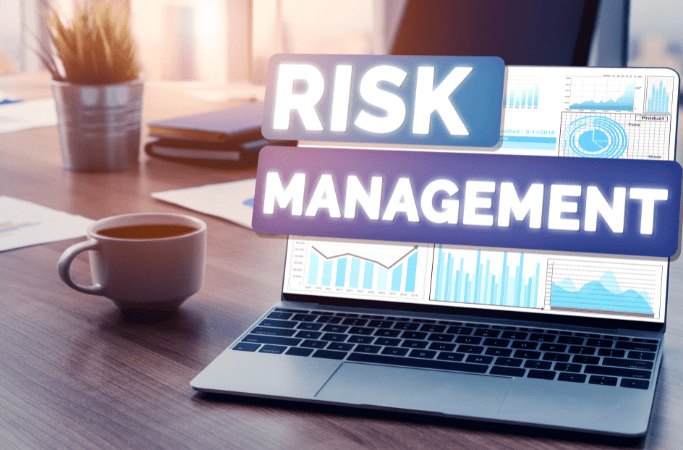
Photo: Canva

Identifying and assessing risks in forex trading is crucial because it involves a structured approach to understand potential threats that could lead to financial losses. This process is part of risk management, which aims to systematically identify, evaluate, and prioritize various types of risks. By doing so, traders can apply specific strategies to minimize, control, and monitor the effects of these risks on their investments. It’s a proactive measure to safeguard against significant financial downturns, ensuring traders are prepared for various market scenarios.

In the context of forex tradingrisk management strategies are tailored to deal with the market’s inherent volatility. This includes practices like setting stop-loss orders to limit potential losses, diversifying trading positions to spread risk, and carefully managing leverage to avoid overexposure. The goal of these practices is not only to protect the trader’s capital but also to ensure that traders can continue participating in the market over time, adapting to its fluctuations without facing crippling losses. This disciplined approach to risk assessment is fundamental to building a resilient and sustainable trading strategy.

Strategies for Risk Management

stop loss
Photo Credit: https://thebluediamondgallery.com/

Setting Stop-Loss Orders

Using stop-loss orders is a crucial risk management strategy in forex trading. It’s a tool that automatically closes out a trade at a specific price to prevent further losses. This method is particularly effective because it limits the impact of a losing trade without requiring the trader to monitor their positions constantly. By setting a stop-loss order, traders ensure that their losses remain within a manageable range, protecting their capital from significant downturns.

Managing Risk Exposure

Managing risk exposure involves carefully deciding how much of their capital traders are willing to risk at any given moment. This strategy requires setting a maximum percentage of the trading capital that can be risked on a single trade. It’s a personalized approach, deeply tied to an individual’s risk tolerance and their overarching trading strategy. By adhering to this method, traders can safeguard their portfolio from catastrophic losses, ensuring that they stay within their comfort zone and preserve their trading capital over time.

Risk-to-Reward Ratios

The risk-to-reward ratio is a foundational concept in trading that compares the potential loss of a trade to its potential gain. This ratio helps traders gauge whether a trade is worth taking, aiming for setups where the potential profit outweighs the risk. Trades that exhibit favorable risk-to-reward ratios are more likely to contribute to a trader’s long-term profitability, promoting a disciplined approach to trading decisions. By prioritizing trades with higher potential rewards relative to their risks, traders can improve their overall performance and ensure sustainable growth in their trading careers.

Practical Techniques for Preserving Capital
Photo: Canva

Effective Position Sizing

Determining the correct position size for trades is critical. It involves balancing the desire for profit with the need to limit potential losses, ensuring that no single trade can significantly impact the trader’s capital.

Diversification Across Currency Pairs

While diversification is a well-known concept in investing, it applies to forex trading as well. Trading across different currency pairs can spread risk, as market conditions affecting one pair may not impact another in the same way.

Leverage Management

Leverage can amplify gains but also magnify losses. Effective leverage management is crucial for capital preservation, involving careful consideration of how much leverage to use on a trade-by-trade basis.

Emotional and Psychological Aspects

Maintaining Emotional Stability

The psychological impact of trading cannot be overstated. Fear, greed, and stress can lead to poor decision-making. Capital preservation strategies help provide a buffer against the emotional rollercoaster of trading, allowing traders to make decisions based on logic and strategy rather than emotion.

The Importance of a Trading Plan

A well-thought-out trading plan that includes clear guidelines for risk management and capital preservation can serve as a critical tool in maintaining discipline and focus in the face of market volatility.

Conclusion

Capital preservation and risk management are not just strategies but fundamental principles that underpin successful forex trading. They protect traders from the vicissitudes of the market, enabling them to pursue long-term profitability with a measured, disciplined approach. Remember, in the world of forex trading, the goal is not just to make profits but to protect and grow the capital that makes trading possible.

Also Read: Learn All About Trading With Stop Orders

FAQs

What is a Stop-Loss Order in Forex Trading?

A stop-loss order is a trading tool used to limit potential losses on a trade. It automatically closes out a trade at a predetermined price level, preventing further losses if the market moves against the trader’s position. This strategy helps manage and minimize the impact of losing trades, ensuring traders can protect their capital and continue trading over time.

How Does Managing Risk Exposure Benefit Forex Traders?

Managing risk exposure involves controlling the amount of capital at risk in each trade. By deciding on a maximum percentage of their total trading capital to risk on any single trade, traders can avoid significant losses. This careful consideration of risk tolerance and strategy helps preserve capital, ensuring traders remain in the market and can take advantage of future trading opportunities.

Why is the Risk-to-Reward Ratio Important in Forex Trading?

The risk-to-reward ratio is crucial because it helps traders evaluate the potential profit of a trade against its potential risk. A favorable risk-to-reward ratio means the potential for profit outweighs the risk of loss. This assessment helps traders make more informed decisions, aiming for trades that are more likely to result in long-term profitability. By focusing on trades with higher potential rewards relative to risks, traders can improve their overall trading performance.


About Ezekiel Chew​

Ezekiel Chew, founder and head of training at Asia Forex Mentor, is a renowned forex expert, frequently invited to speak at major industry events. Known for his deep market insights, Ezekiel is one of the top traders committed to supporting the trading community. Making six figures per trade, he also trains traders working in banks, fund management, and prop trading firms.

How to Read Candlesticks (Most Traders Get This Wrong)

Most traders who spend months learning how to read candlesticks still lose on setups that looked textbook. The pattern was never the problem. Reading it without context was. ABOUT THIS GUIDE This guide covers three specific candlestick signals used in professional price action trading, the Fibonacci golden zone context tool,

Read More

What Profit Factor Tells You Before Going Live

Profit factor is calculated by dividing a strategy’s total gross profit by its total gross loss, and most experienced traders reject any system that reads below 1.5 before risking real capital. Most traders see any positive number and call it a green light. That is where the costly mistake starts.

Read More

6 Forex Trading Scams Every Beginner Should Know

The most effective forex trading scams do not announce themselves as threats. They arrive as opportunities, come through referrals and social media, and are often indistinguishable from legitimate services until the first withdrawal request is made. ABOUT THIS GUIDE This guide covers the six most common forex trading scams, the

Read More

How to Use Fibonacci Retracement Step by Step in 2026

Most traders learn how to use Fibonacci retracement and immediately draw it wrong. This tool comes from a mathematical sequence first documented in 1202, and institutional traders use it daily to plan entries at precise price levels. The majority of retail traders miss the one placement rule that makes every

Read More

Free Margin in Forex What the MT4 Panel Shows

Free margin in forex is the one figure on the MT4 or MT5 account panel that determines whether another position can open right now, and it is consistently the last number most traders learn to read. ABOUT THIS GUIDE This guide explains what free margin is and how it connects

Read More

Scalping Trading Strategy The Pros Actually Use

The scalping trading strategy most retail traders use is not actually scalping. They are gambling on 1-minute candles with no defined edge, no position-sizing rules, and no plan for when the losses come. ABOUT THIS GUIDE This guide covers what scalping is, how professional scalpers build a repeatable edge, and

Read More

AFM Trading Summit Live

Date: Coming Soon

Join us at the AFM Trading Summit Live and learn from top industry experts through live trading sessions, market insights, and actionable strategies.

The Importance of Capital Preservation in Forex Trading

4.0
Overall Trust Index

Written by:

Updated:

January 21, 2025
Forex trading, known for its high liquidity and the allure of significant profits, draws a multitude of individuals to the foreign exchange markets. The same volatility that offers these lucrative opportunities, however, introduces substantial risks. This duality underscores the critical importance of capital preservation, which acts as the bedrock for sustaining long-term success in forex trading. Strategies centered around preserving capital not only safeguard investments but also ensure traders can weather the market's inevitable fluctuations.

What is Capital Preservation?

Photo: Canva
In forex trading, capital preservation is all about keeping your trading capital safe from significant losses. This approach involves using different strategies to reduce risk, ensuring that traders have the stamina to stay in the game over the long haul, regardless of market volatility. It’s about being prepared for both the good times and the bad, making sure that traders can keep participating and potentially profiting, even when the market doesn't go their way. Capital preservation strategies might include setting stop-loss orders to automatically cut losses at a predetermined level, managing the size of trades to avoid overexposure, and diversifying trades across different currencies or asset classes. The goal is to minimize the impact of any single losing trade, thereby protecting the trader’s ability to continue trading. It’s a disciplined approach that prioritizes long-term involvement in the market over short-term gains, acknowledging the fact that the market will always have its ups and downs. Also Read: What's Your Trading Risk Tolerance? How to Find Out

Why is Capital Preservation Crucial?

Capital preservation is key in forex trading because it’s not just about dodging losses; it’s about securing the chance to keep trading, no matter what the market throws your way. The unpredictable nature of the forex market means traders face challenges that can come out of nowhere, potentially wiping out their funds. Without a strong focus on keeping their capital safe, traders might find themselves unable to continue trading after taking big hits early on. The importance of capital preservation lies in its role in ensuring traders have the resilience to withstand the forex market's highs and lows. It’s about having a safety net that allows you to remain in the market, ready to take advantage of new opportunities as they arise, rather than being forced out due to a depleted trading account. This approach underpins a sustainable trading career, emphasizing the need for strategies that protect against significant losses, ensuring longevity in the highly volatile forex market.

Identifying and Assessing Risks

Photo: Canva
Identifying and assessing risks in forex trading is crucial because it involves a structured approach to understand potential threats that could lead to financial losses. This process is part of risk management, which aims to systematically identify, evaluate, and prioritize various types of risks. By doing so, traders can apply specific strategies to minimize, control, and monitor the effects of these risks on their investments. It’s a proactive measure to safeguard against significant financial downturns, ensuring traders are prepared for various market scenarios. In the context of forex tradingrisk management strategies are tailored to deal with the market's inherent volatility. This includes practices like setting stop-loss orders to limit potential losses, diversifying trading positions to spread risk, and carefully managing leverage to avoid overexposure. The goal of these practices is not only to protect the trader’s capital but also to ensure that traders can continue participating in the market over time, adapting to its fluctuations without facing crippling losses. This disciplined approach to risk assessment is fundamental to building a resilient and sustainable trading strategy.

Strategies for Risk Management

stop loss
Photo Credit: https://thebluediamondgallery.com/

Setting Stop-Loss Orders

Using stop-loss orders is a crucial risk management strategy in forex trading. It's a tool that automatically closes out a trade at a specific price to prevent further losses. This method is particularly effective because it limits the impact of a losing trade without requiring the trader to monitor their positions constantly. By setting a stop-loss order, traders ensure that their losses remain within a manageable range, protecting their capital from significant downturns.

Managing Risk Exposure

Managing risk exposure involves carefully deciding how much of their capital traders are willing to risk at any given moment. This strategy requires setting a maximum percentage of the trading capital that can be risked on a single trade. It's a personalized approach, deeply tied to an individual's risk tolerance and their overarching trading strategy. By adhering to this method, traders can safeguard their portfolio from catastrophic losses, ensuring that they stay within their comfort zone and preserve their trading capital over time.

Risk-to-Reward Ratios

The risk-to-reward ratio is a foundational concept in trading that compares the potential loss of a trade to its potential gain. This ratio helps traders gauge whether a trade is worth taking, aiming for setups where the potential profit outweighs the risk. Trades that exhibit favorable risk-to-reward ratios are more likely to contribute to a trader's long-term profitability, promoting a disciplined approach to trading decisions. By prioritizing trades with higher potential rewards relative to their risks, traders can improve their overall performance and ensure sustainable growth in their trading careers.

Practical Techniques for Preserving Capital

Photo: Canva

Effective Position Sizing

Determining the correct position size for trades is critical. It involves balancing the desire for profit with the need to limit potential losses, ensuring that no single trade can significantly impact the trader's capital.

Diversification Across Currency Pairs

While diversification is a well-known concept in investing, it applies to forex trading as well. Trading across different currency pairs can spread risk, as market conditions affecting one pair may not impact another in the same way.

Leverage Management

Leverage can amplify gains but also magnify losses. Effective leverage management is crucial for capital preservation, involving careful consideration of how much leverage to use on a trade-by-trade basis.

Emotional and Psychological Aspects

Maintaining Emotional Stability

The psychological impact of trading cannot be overstated. Fear, greed, and stress can lead to poor decision-making. Capital preservation strategies help provide a buffer against the emotional rollercoaster of trading, allowing traders to make decisions based on logic and strategy rather than emotion.

The Importance of a Trading Plan

A well-thought-out trading plan that includes clear guidelines for risk management and capital preservation can serve as a critical tool in maintaining discipline and focus in the face of market volatility.

Conclusion

Capital preservation and risk management are not just strategies but fundamental principles that underpin successful forex trading. They protect traders from the vicissitudes of the market, enabling them to pursue long-term profitability with a measured, disciplined approach. Remember, in the world of forex trading, the goal is not just to make profits but to protect and grow the capital that makes trading possible. Also Read: Learn All About Trading With Stop Orders

FAQs

What is a Stop-Loss Order in Forex Trading?

A stop-loss order is a trading tool used to limit potential losses on a trade. It automatically closes out a trade at a predetermined price level, preventing further losses if the market moves against the trader's position. This strategy helps manage and minimize the impact of losing trades, ensuring traders can protect their capital and continue trading over time.

How Does Managing Risk Exposure Benefit Forex Traders?

Managing risk exposure involves controlling the amount of capital at risk in each trade. By deciding on a maximum percentage of their total trading capital to risk on any single trade, traders can avoid significant losses. This careful consideration of risk tolerance and strategy helps preserve capital, ensuring traders remain in the market and can take advantage of future trading opportunities.

Why is the Risk-to-Reward Ratio Important in Forex Trading?

The risk-to-reward ratio is crucial because it helps traders evaluate the potential profit of a trade against its potential risk. A favorable risk-to-reward ratio means the potential for profit outweighs the risk of loss. This assessment helps traders make more informed decisions, aiming for trades that are more likely to result in long-term profitability. By focusing on trades with higher potential rewards relative to risks, traders can improve their overall trading performance.

ezekiel chew asiaforexmentor

About Ezekiel Chew

Ezekiel Chew, founder and head of training at Asia Forex Mentor, is a renowned forex expert, frequently invited to speak at major industry events. Known for his deep market insights, Ezekiel is one of the top traders committed to supporting the trading community. Making six figures per trade, he also trains traders working in banks, fund management, and prop trading firms.

RELATED ARTICLES

The Importance of Capital Preservation in Forex Trading

4.0
Overall Trust Index

Written by:

Updated:

January 21, 2025
Forex trading, known for its high liquidity and the allure of significant profits, draws a multitude of individuals to the foreign exchange markets. The same volatility that offers these lucrative opportunities, however, introduces substantial risks. This duality underscores the critical importance of capital preservation, which acts as the bedrock for sustaining long-term success in forex trading. Strategies centered around preserving capital not only safeguard investments but also ensure traders can weather the market's inevitable fluctuations.

What is Capital Preservation?

Photo: Canva
In forex trading, capital preservation is all about keeping your trading capital safe from significant losses. This approach involves using different strategies to reduce risk, ensuring that traders have the stamina to stay in the game over the long haul, regardless of market volatility. It’s about being prepared for both the good times and the bad, making sure that traders can keep participating and potentially profiting, even when the market doesn't go their way. Capital preservation strategies might include setting stop-loss orders to automatically cut losses at a predetermined level, managing the size of trades to avoid overexposure, and diversifying trades across different currencies or asset classes. The goal is to minimize the impact of any single losing trade, thereby protecting the trader’s ability to continue trading. It’s a disciplined approach that prioritizes long-term involvement in the market over short-term gains, acknowledging the fact that the market will always have its ups and downs. Also Read: What's Your Trading Risk Tolerance? How to Find Out

Why is Capital Preservation Crucial?

Capital preservation is key in forex trading because it’s not just about dodging losses; it’s about securing the chance to keep trading, no matter what the market throws your way. The unpredictable nature of the forex market means traders face challenges that can come out of nowhere, potentially wiping out their funds. Without a strong focus on keeping their capital safe, traders might find themselves unable to continue trading after taking big hits early on. The importance of capital preservation lies in its role in ensuring traders have the resilience to withstand the forex market's highs and lows. It’s about having a safety net that allows you to remain in the market, ready to take advantage of new opportunities as they arise, rather than being forced out due to a depleted trading account. This approach underpins a sustainable trading career, emphasizing the need for strategies that protect against significant losses, ensuring longevity in the highly volatile forex market.

Identifying and Assessing Risks

Photo: Canva
Identifying and assessing risks in forex trading is crucial because it involves a structured approach to understand potential threats that could lead to financial losses. This process is part of risk management, which aims to systematically identify, evaluate, and prioritize various types of risks. By doing so, traders can apply specific strategies to minimize, control, and monitor the effects of these risks on their investments. It’s a proactive measure to safeguard against significant financial downturns, ensuring traders are prepared for various market scenarios. In the context of forex tradingrisk management strategies are tailored to deal with the market's inherent volatility. This includes practices like setting stop-loss orders to limit potential losses, diversifying trading positions to spread risk, and carefully managing leverage to avoid overexposure. The goal of these practices is not only to protect the trader’s capital but also to ensure that traders can continue participating in the market over time, adapting to its fluctuations without facing crippling losses. This disciplined approach to risk assessment is fundamental to building a resilient and sustainable trading strategy.

Strategies for Risk Management

stop loss
Photo Credit: https://thebluediamondgallery.com/

Setting Stop-Loss Orders

Using stop-loss orders is a crucial risk management strategy in forex trading. It's a tool that automatically closes out a trade at a specific price to prevent further losses. This method is particularly effective because it limits the impact of a losing trade without requiring the trader to monitor their positions constantly. By setting a stop-loss order, traders ensure that their losses remain within a manageable range, protecting their capital from significant downturns.

Managing Risk Exposure

Managing risk exposure involves carefully deciding how much of their capital traders are willing to risk at any given moment. This strategy requires setting a maximum percentage of the trading capital that can be risked on a single trade. It's a personalized approach, deeply tied to an individual's risk tolerance and their overarching trading strategy. By adhering to this method, traders can safeguard their portfolio from catastrophic losses, ensuring that they stay within their comfort zone and preserve their trading capital over time.

Risk-to-Reward Ratios

The risk-to-reward ratio is a foundational concept in trading that compares the potential loss of a trade to its potential gain. This ratio helps traders gauge whether a trade is worth taking, aiming for setups where the potential profit outweighs the risk. Trades that exhibit favorable risk-to-reward ratios are more likely to contribute to a trader's long-term profitability, promoting a disciplined approach to trading decisions. By prioritizing trades with higher potential rewards relative to their risks, traders can improve their overall performance and ensure sustainable growth in their trading careers.

Practical Techniques for Preserving Capital

Photo: Canva

Effective Position Sizing

Determining the correct position size for trades is critical. It involves balancing the desire for profit with the need to limit potential losses, ensuring that no single trade can significantly impact the trader's capital.

Diversification Across Currency Pairs

While diversification is a well-known concept in investing, it applies to forex trading as well. Trading across different currency pairs can spread risk, as market conditions affecting one pair may not impact another in the same way.

Leverage Management

Leverage can amplify gains but also magnify losses. Effective leverage management is crucial for capital preservation, involving careful consideration of how much leverage to use on a trade-by-trade basis.

Emotional and Psychological Aspects

Maintaining Emotional Stability

The psychological impact of trading cannot be overstated. Fear, greed, and stress can lead to poor decision-making. Capital preservation strategies help provide a buffer against the emotional rollercoaster of trading, allowing traders to make decisions based on logic and strategy rather than emotion.

The Importance of a Trading Plan

A well-thought-out trading plan that includes clear guidelines for risk management and capital preservation can serve as a critical tool in maintaining discipline and focus in the face of market volatility.

Conclusion

Capital preservation and risk management are not just strategies but fundamental principles that underpin successful forex trading. They protect traders from the vicissitudes of the market, enabling them to pursue long-term profitability with a measured, disciplined approach. Remember, in the world of forex trading, the goal is not just to make profits but to protect and grow the capital that makes trading possible. Also Read: Learn All About Trading With Stop Orders

FAQs

What is a Stop-Loss Order in Forex Trading?

A stop-loss order is a trading tool used to limit potential losses on a trade. It automatically closes out a trade at a predetermined price level, preventing further losses if the market moves against the trader's position. This strategy helps manage and minimize the impact of losing trades, ensuring traders can protect their capital and continue trading over time.

How Does Managing Risk Exposure Benefit Forex Traders?

Managing risk exposure involves controlling the amount of capital at risk in each trade. By deciding on a maximum percentage of their total trading capital to risk on any single trade, traders can avoid significant losses. This careful consideration of risk tolerance and strategy helps preserve capital, ensuring traders remain in the market and can take advantage of future trading opportunities.

Why is the Risk-to-Reward Ratio Important in Forex Trading?

The risk-to-reward ratio is crucial because it helps traders evaluate the potential profit of a trade against its potential risk. A favorable risk-to-reward ratio means the potential for profit outweighs the risk of loss. This assessment helps traders make more informed decisions, aiming for trades that are more likely to result in long-term profitability. By focusing on trades with higher potential rewards relative to risks, traders can improve their overall trading performance.
ezekiel chew asiaforexmentor

About Ezekiel Chew

Ezekiel Chew, founder and head of training at Asia Forex Mentor, is a renowned forex expert, frequently invited to speak at major industry events. Known for his deep market insights, Ezekiel is one of the top traders committed to supporting the trading community. Making six figures per trade, he also trains traders working in banks, fund management, and prop trading firms.

RELATED ARTICLES

Join the Live Event
Get Your Free Ticket Now

I consent to receiving emails and/or text message reminders for this event.

REGISTER FOR THE MASTERCLASS!