
Learn To Trade Forex • Best Forex Trading Course • AsiaForexMentor

Dollar Slips as Swiss Franc Surges on Rate Cut, U.S. Data Impact Fades

Written by

Ezekiel Chew

Updated on

September 26, 2024

i
Its a default text

Dollar Slips as Swiss Franc Surges on Rate Cut, U.S. Data Impact Fades

Written by:

Last updated on:

September 26, 2024

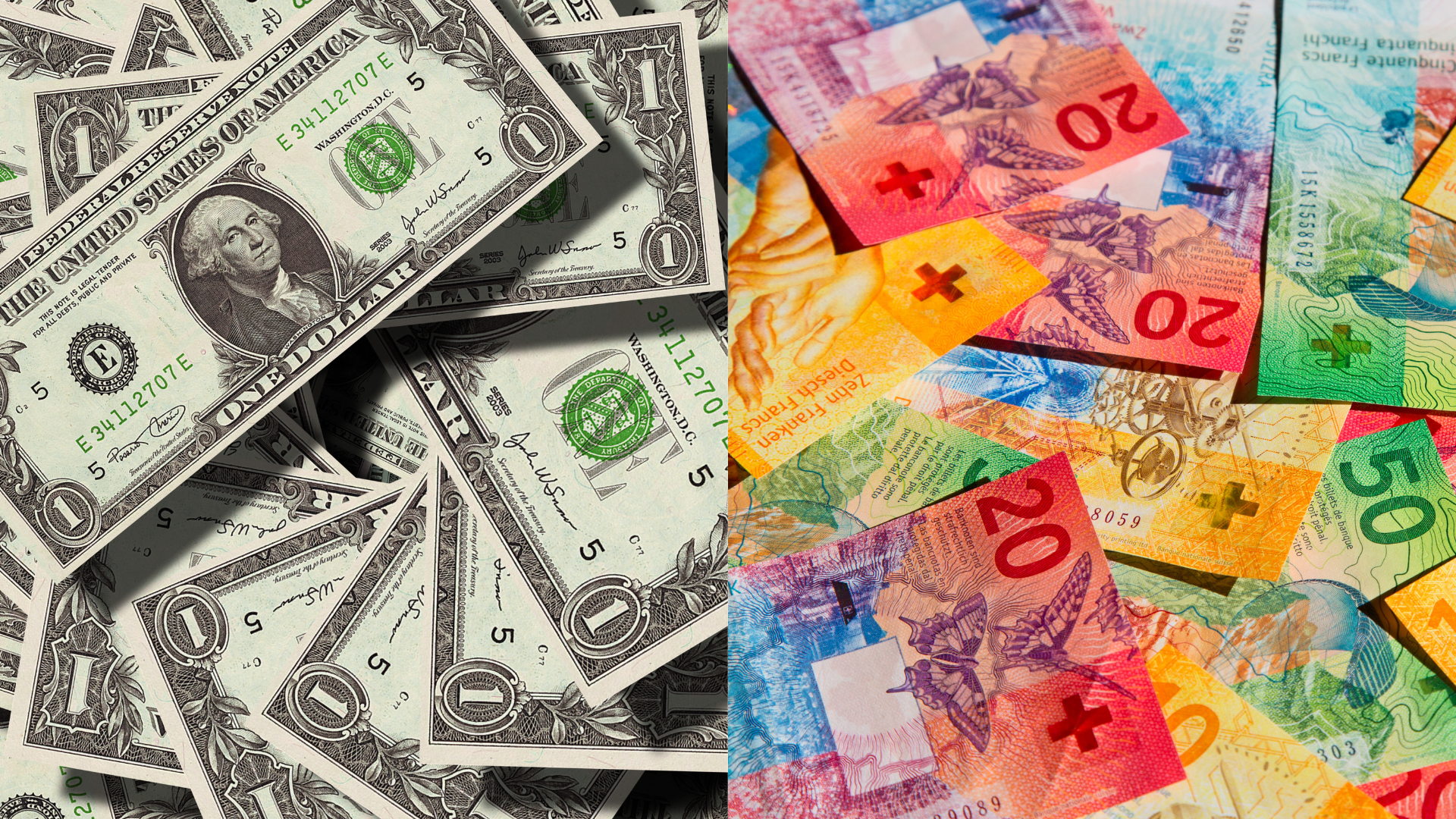
The U.S. dollar weakened on Thursday as early gains from positive economic data quickly evaporated, overshadowed by the Swiss National Bank's unexpected move to cut interest rates. The dollar initially rose after data showed U.S. jobless claims fell to a four-month low of 218,000, signaling strength in the labor market, and corporate profits in the second quarter outpaced expectations. Despite the strong numbers, investors struggled to reconcile the robust U.S. economy with the Federal Reserve’s recent shift toward looser monetary policy.

The Swiss franc gained momentum after the SNB’s decision to cut interest rates by 25 basis points, pushing the dollar 0.55% lower against the franc to 0.846. Analysts had expected a larger cut, and the SNB’s cautious approach suggests further easing could be on the horizon. This decision echoed recent moves by the Fed and the European Central Bank, both of which have shifted their focus from inflation control to supporting economic growth.

As the day progressed, the dollar index—which tracks the greenback against a basket of six major currencies—fell 0.42% to 100.52, marking its sixth decline in seven trading sessions. Despite the dollar’s early boost from stronger-than-expected U.S. economic data, including a 3% annualized growth rate in GDP, the market remained cautious. “The Fed’s rate cuts are happening alongside an economy growing at 3% or more,” said Joseph Trevisani, senior analyst at FXStreet. “The market doesn’t quite know how to interpret this mix.”

Adding to the uncertainty, several U.S. Federal Reserve officials, including Chair Jerome Powell, refrained from providing fresh guidance on monetary policy during public remarks on Thursday. Meanwhile, U.S. Treasury Secretary Janet Yellen offered a more optimistic outlook, noting that the economy was likely headed for a “soft landing,” although she flagged housing costs as a persistent challenge in the fight against inflation.

In broader currency movements, the euro climbed 0.41% to $1.1178, as traders digested the implications of U.S. monetary easing and ongoing inflation concerns in Europe. The Japanese yen edged 0.1% higher to 144.6 per dollar, with Bank of Japan policymakers signaling division over the pace of future rate hikes. Meanwhile, the British pound saw its biggest daily gain in a month, rising 0.71% to $1.3417, boosted by positive sentiment surrounding the U.K.’s economic outlook.

As markets continue to react to shifting central bank policies, the dollar’s trajectory remains uncertain, with rate cuts seemingly at odds with robust economic indicators. Investors are left to ponder whether the Fed's moves will ultimately bolster the U.S. economy or signal deeper concerns about future growth.
About Ezekiel Chew​

Ezekiel Chew, founder and head of training at Asia Forex Mentor, is a renowned forex expert, frequently invited to speak at major industry events. Known for his deep market insights, Ezekiel is one of the top traders committed to supporting the trading community. Making six figures per trade, he also trains traders working in banks, fund management, and prop trading firms.

Is Forex Trading Profitable for Most Traders

Is forex trading profitable? The honest answer is yes, but not in the way most people entering the market expect it to be. Forex trading is profitable for a minority of traders. Most retail traders lose money. That is not a secret. Brokers in the European Union must disclose the

Read More

Understanding What Is Price Action Trading in 2026

What is price action trading and why do institutional traders rely on it while most retail traders still lose money with indicators? Price action trading is the method of making trading decisions based entirely on the market’s price chart. No lagging indicators, moving averages. No RSI or MACD cluttering the

Read More

What Is Revenge Trading And How To Prevent It In Forex

ABOUT THIS GUIDE Written by Ezekiel Chew, founder of Asia Forex Mentor and a former bank trader with over 20 years of experience. Ezekiel has coached more than 100,000 students across Singapore, the Philippines, Malaysia, Indonesia, and over 50 countries through the AFM One Core Program. Revenge trading is one

Read More

What Is a Stop Loss Before You Lose Another Trade

What is a stop loss? It is the one trading instruction that separates traders who survive from those who blow their accounts. Most traders understand the concept. Far fewer use it correctly. A stop loss is not just a safety net. It is a pre-defined decision made before emotion enters

Read More

7 Best Trading Strategies That Actually Work in 2026

Most traders cycle through the best trading strategies they find online — and still blow their accounts within six months. The trading strategy itself is rarely the problem. The problem is how it gets taught. Most sources strip out the institutional logic, skip the risk management, and hand over a

Read More

Liquidity in Trading Smart Money Is Using It Against You

Liquidity in trading is the one concept smart money uses against retail traders every single day, and most traders have no idea it is happening. Most traders learn that liquidity means how easily a financial asset can be bought or sold without causing a significant price movement. That is technically

Read More

AFM Trading Summit Live

Date: Coming Soon

Join us at the AFM Trading Summit Live and learn from top industry experts through live trading sessions, market insights, and actionable strategies.

Dollar Slips as Swiss Franc Surges on Rate Cut, U.S. Data Impact Fades

4.0
Overall Trust Index

Written by:

Updated:

September 26, 2024
The U.S. dollar weakened on Thursday as early gains from positive economic data quickly evaporated, overshadowed by the Swiss National Bank's unexpected move to cut interest rates. The dollar initially rose after data showed U.S. jobless claims fell to a four-month low of 218,000, signaling strength in the labor market, and corporate profits in the second quarter outpaced expectations. Despite the strong numbers, investors struggled to reconcile the robust U.S. economy with the Federal Reserve’s recent shift toward looser monetary policy. The Swiss franc gained momentum after the SNB’s decision to cut interest rates by 25 basis points, pushing the dollar 0.55% lower against the franc to 0.846. Analysts had expected a larger cut, and the SNB’s cautious approach suggests further easing could be on the horizon. This decision echoed recent moves by the Fed and the European Central Bank, both of which have shifted their focus from inflation control to supporting economic growth. As the day progressed, the dollar index—which tracks the greenback against a basket of six major currencies—fell 0.42% to 100.52, marking its sixth decline in seven trading sessions. Despite the dollar’s early boost from stronger-than-expected U.S. economic data, including a 3% annualized growth rate in GDP, the market remained cautious. “The Fed’s rate cuts are happening alongside an economy growing at 3% or more,” said Joseph Trevisani, senior analyst at FXStreet. “The market doesn’t quite know how to interpret this mix.” Adding to the uncertainty, several U.S. Federal Reserve officials, including Chair Jerome Powell, refrained from providing fresh guidance on monetary policy during public remarks on Thursday. Meanwhile, U.S. Treasury Secretary Janet Yellen offered a more optimistic outlook, noting that the economy was likely headed for a “soft landing,” although she flagged housing costs as a persistent challenge in the fight against inflation. In broader currency movements, the euro climbed 0.41% to $1.1178, as traders digested the implications of U.S. monetary easing and ongoing inflation concerns in Europe. The Japanese yen edged 0.1% higher to 144.6 per dollar, with Bank of Japan policymakers signaling division over the pace of future rate hikes. Meanwhile, the British pound saw its biggest daily gain in a month, rising 0.71% to $1.3417, boosted by positive sentiment surrounding the U.K.’s economic outlook. As markets continue to react to shifting central bank policies, the dollar’s trajectory remains uncertain, with rate cuts seemingly at odds with robust economic indicators. Investors are left to ponder whether the Fed's moves will ultimately bolster the U.S. economy or signal deeper concerns about future growth.

ezekiel chew asiaforexmentor

About Ezekiel Chew

Ezekiel Chew, founder and head of training at Asia Forex Mentor, is a renowned forex expert, frequently invited to speak at major industry events. Known for his deep market insights, Ezekiel is one of the top traders committed to supporting the trading community. Making six figures per trade, he also trains traders working in banks, fund management, and prop trading firms.

RELATED ARTICLES

Dollar Slips as Swiss Franc Surges on Rate Cut, U.S. Data Impact Fades

4.0
Overall Trust Index

Written by:

Updated:

September 26, 2024
The U.S. dollar weakened on Thursday as early gains from positive economic data quickly evaporated, overshadowed by the Swiss National Bank's unexpected move to cut interest rates. The dollar initially rose after data showed U.S. jobless claims fell to a four-month low of 218,000, signaling strength in the labor market, and corporate profits in the second quarter outpaced expectations. Despite the strong numbers, investors struggled to reconcile the robust U.S. economy with the Federal Reserve’s recent shift toward looser monetary policy. The Swiss franc gained momentum after the SNB’s decision to cut interest rates by 25 basis points, pushing the dollar 0.55% lower against the franc to 0.846. Analysts had expected a larger cut, and the SNB’s cautious approach suggests further easing could be on the horizon. This decision echoed recent moves by the Fed and the European Central Bank, both of which have shifted their focus from inflation control to supporting economic growth. As the day progressed, the dollar index—which tracks the greenback against a basket of six major currencies—fell 0.42% to 100.52, marking its sixth decline in seven trading sessions. Despite the dollar’s early boost from stronger-than-expected U.S. economic data, including a 3% annualized growth rate in GDP, the market remained cautious. “The Fed’s rate cuts are happening alongside an economy growing at 3% or more,” said Joseph Trevisani, senior analyst at FXStreet. “The market doesn’t quite know how to interpret this mix.” Adding to the uncertainty, several U.S. Federal Reserve officials, including Chair Jerome Powell, refrained from providing fresh guidance on monetary policy during public remarks on Thursday. Meanwhile, U.S. Treasury Secretary Janet Yellen offered a more optimistic outlook, noting that the economy was likely headed for a “soft landing,” although she flagged housing costs as a persistent challenge in the fight against inflation. In broader currency movements, the euro climbed 0.41% to $1.1178, as traders digested the implications of U.S. monetary easing and ongoing inflation concerns in Europe. The Japanese yen edged 0.1% higher to 144.6 per dollar, with Bank of Japan policymakers signaling division over the pace of future rate hikes. Meanwhile, the British pound saw its biggest daily gain in a month, rising 0.71% to $1.3417, boosted by positive sentiment surrounding the U.K.’s economic outlook. As markets continue to react to shifting central bank policies, the dollar’s trajectory remains uncertain, with rate cuts seemingly at odds with robust economic indicators. Investors are left to ponder whether the Fed's moves will ultimately bolster the U.S. economy or signal deeper concerns about future growth.

ezekiel chew asiaforexmentor

About Ezekiel Chew

Ezekiel Chew, founder and head of training at Asia Forex Mentor, is a renowned forex expert, frequently invited to speak at major industry events. Known for his deep market insights, Ezekiel is one of the top traders committed to supporting the trading community. Making six figures per trade, he also trains traders working in banks, fund management, and prop trading firms.

RELATED ARTICLES

Join the Live Event
Get Your Free Ticket Now

I consent to receiving emails and/or text message reminders for this event.

REGISTER FOR THE MASTERCLASS!