Learn To Trade Forex • Best Forex Trading Course • AsiaForexMentor

The Influence of AI on Forex Fraud Detection

Written by

Ezekiel Chew

Updated on

January 21, 2025

i

The Influence of AI on Forex Fraud Detection

Written by:

Ezekiel Chew

Last updated on:

January 21, 2025

In the digital ageartificial intelligence (AI) has transformed numerous industries, including finance. Particularly in Forex trading, AI technologies such as AI trading bots and algorithmic trading systems are revolutionizing how transactions are conducted. However, alongside these advancements, there has been a noticeable increase in investment frauds, especially schemes designed to defraud unsuspecting investors. This article explores the critical role of AI in combating Forex fraud, providing valuable insights into both the benefits and the potential pitfalls of these technologies.

The Role of AI Technology in Forex Trading
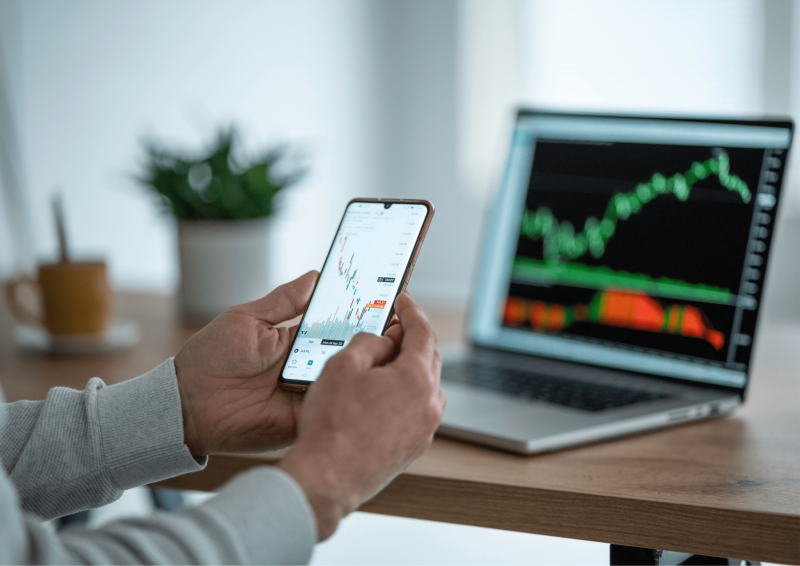
Photo: Canva

Forex, or trading foreign currencies, involves dynamic and often volatile markets where vast sums of money are traded daily. The introduction of AI technology in this sector has led to the development of sophisticated trading platforms that can analyze market data at unprecedented speeds. AI trading systems and automated trading algorithms promise to enhance accuracy and efficiency, potentially leading to huge profits for traders.

However, the complexity of AI systems can also be exploited to deceive investors. Schemes like fictitious automatic trading systems and crypto asset trading schemes often tout automated trading algorithms that in reality do not exist or are programmed to generate losses.

Also Read: Forex Trading Robots and Algorithms: An Overview of Automated Trading Systems in Forex

The Dual-Edged Sword of AI Trading Bots
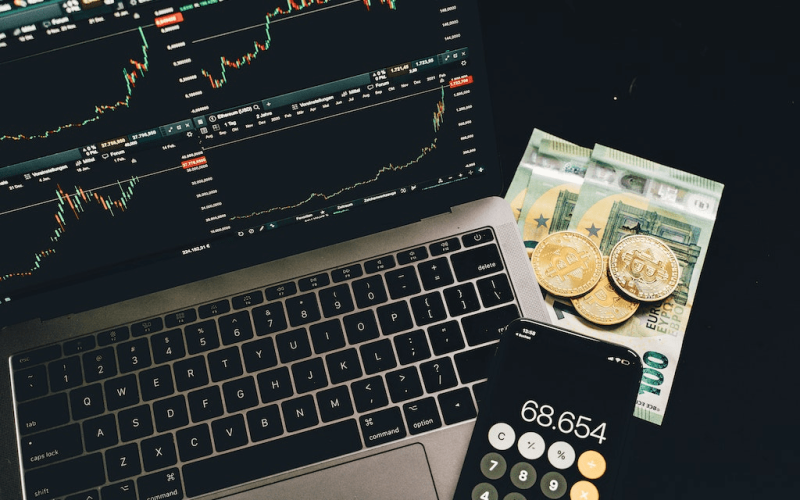
Photo: Canva

AI trading bots have become a popular tool for those seeking passive income, automating trades on behalf of users with the promise of significant returns. However, their rise has been marred by numerous trading bot scams. These proprietary bot trading programs frequently entice investors with the promise of above-average returns for minimal upfront investment, exploiting the allure of easy money to mask their inherent risks.

Often, these programs lack the necessary transparency that would allow investors to verify the legitimacy of the advertised gains. This opacity can signal that the bot is part of a larger investment scheme, primarily designed to collect deposits from new participants. These funds are then used to pay returns to earlier investors, creating a Ponzi scheme structure. Such setups pose significant risks, promising high returns with very little money but often resulting in substantial losses for most involved.

Regulatory Challenges and Consumer Protection
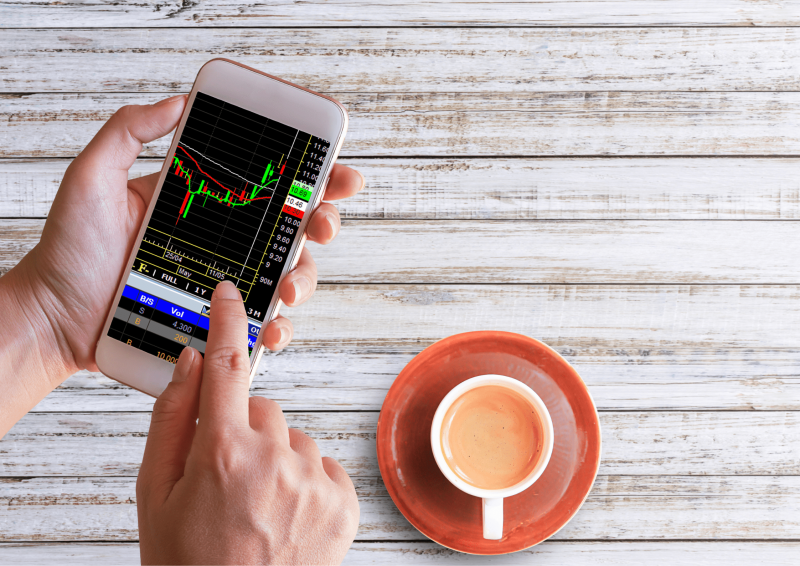
Photo: Canva

Commodity trading statutes and consumer protection groups are intensifying their oversight to combat the rise of AI scams, which include a variety of crypto scams and investment frauds. This vigilance is vital as the sophistication of scams increases with the advancement of technology. Legal advisors and industry organizations play a pivotal role in this landscape, providing crucial education to retail investors about the potential risks linked with AI-enabled trading platforms and strategies.

To further mitigate these risks, comprehensive customer education programs are deployed to bolster investor knowledge and confidence. These initiatives are designed to equip investors with the tools to exercise caution and actively report suspicious activities they encounter in their trading experiences. By empowering investors through education, the financial community aims to foster a safer trading environment and diminish the impact of fraudulent schemes on individuals.

The Role of AI in Enhancing Forex Fraud Detection

detection of fraudulent activities in trading platforms. By leveraging AI algorithms, these platforms can analyze vast amounts of data swiftly, identifying unusual patterns such as spikes in transaction volumes or abrupt changes in account balances. These indicators are often telltale signs of fraudulent activities, and AI’s capability to detect them quickly is crucial for preemptive action.

This advanced detection capacity is essential for successful enforcement actions against bad actors in the financial markets. Regulatory bodies and financial institutions can use these AI-driven insights to intervene more effectively, ensuring that fraudsters are identified and dealt with promptly. Thus, AI not only presents challenges but also offers valuable tools that enhance the security and integrity of financial transactions.

Conclusion: Balancing Innovation with Safety

The integration of AI into Forex trading unlocks substantial opportunities for enhancing trading efficiency and accuracy but also introduces significant risks. The swift evolution of AI capabilities necessitates equally dynamic responses in terms of educational resources and regulatory measures. Developing comprehensive financial education materials that elucidate the complexities of AI-driven trading is essential to equip investors with the knowledge to navigate this advanced landscape safely.

A balanced approach is crucial for harnessing the full potential of AI in Forex trading while safeguarding against fraud. This involves not only advancing technology but also strengthening regulatory frameworks to ensure thorough oversight and protection for investors. With robust regulations and informed investors, the financial sector can foster an environment where the advantages of AI are maximized, and the risks of fraudulent activities are minimized.

Also Read: The Role of AI in Forex Trading

FAQs

What role does AI play in detecting Forex fraud?

AI enhances the ability to detect unusual trading patterns and potential fraud by analyzing massive amounts of transaction data quickly. This helps identify discrepancies that could indicate fraudulent activities, allowing for timely interventions.

Are AI trading bots safe to use in Forex trading?

While AI trading bots can offer significant benefits like automated trading and data analysis, they also pose risks, particularly when associated with scams promising unrealistic returns. Investors are advised to use bots from reputable sources and maintain a cautious approach by staying informed about potential scams.

How are regulatory bodies adapting to the rise of AI in Forex trading?

Regulatory bodies are continually updating their frameworks to better encompass the challenges and complexities introduced by AI technologies. This includes implementing stricter compliance checks for AI trading platforms and enhancing consumer protection laws to safeguard investors from potential AI-driven scams.


Top 5 Forex Brokers Ranked by Traders in 2025

About Ezekiel Chew​

Ezekiel Chew, founder and head of training at Asia Forex Mentor, is a renowned forex expert, frequently invited to speak at major industry events. Known for his deep market insights, Ezekiel is one of the top traders committed to supporting the trading community. Making six figures per trade, he also trains traders working in banks, fund management, and prop trading firms.

How to Read Candlesticks (Most Traders Get This Wrong)

Most traders who spend months learning how to read candlesticks still lose on setups that looked textbook. The pattern was never the problem. Reading it without context was. ABOUT THIS GUIDE This guide covers three specific candlestick signals used in professional price action trading, the Fibonacci golden zone context tool,

Read More

What Profit Factor Tells You Before Going Live

Profit factor is calculated by dividing a strategy’s total gross profit by its total gross loss, and most experienced traders reject any system that reads below 1.5 before risking real capital. Most traders see any positive number and call it a green light. That is where the costly mistake starts.

Read More

6 Forex Trading Scams Every Beginner Should Know

The most effective forex trading scams do not announce themselves as threats. They arrive as opportunities, come through referrals and social media, and are often indistinguishable from legitimate services until the first withdrawal request is made. ABOUT THIS GUIDE This guide covers the six most common forex trading scams, the

Read More

How to Use Fibonacci Retracement Step by Step in 2026

Most traders learn how to use Fibonacci retracement and immediately draw it wrong. This tool comes from a mathematical sequence first documented in 1202, and institutional traders use it daily to plan entries at precise price levels. The majority of retail traders miss the one placement rule that makes every

Read More

Free Margin in Forex What the MT4 Panel Shows

Free margin in forex is the one figure on the MT4 or MT5 account panel that determines whether another position can open right now, and it is consistently the last number most traders learn to read. ABOUT THIS GUIDE This guide explains what free margin is and how it connects

Read More

Scalping Trading Strategy The Pros Actually Use

The scalping trading strategy most retail traders use is not actually scalping. They are gambling on 1-minute candles with no defined edge, no position-sizing rules, and no plan for when the losses come. ABOUT THIS GUIDE This guide covers what scalping is, how professional scalpers build a repeatable edge, and

Read More

AFM Trading Summit Live

Date: Coming Soon

Join us at the AFM Trading Summit Live and learn from top industry experts through live trading sessions, market insights, and actionable strategies.

The Influence of AI on Forex Fraud Detection

4.0
Overall Trust Index

Written by:

Updated:

January 21, 2025

In the digital ageartificial intelligence (AI) has transformed numerous industries, including finance. Particularly in Forex trading, AI technologies such as AI trading bots and algorithmic trading systems are revolutionizing how transactions are conducted. However, alongside these advancements, there has been a noticeable increase in investment frauds, especially schemes designed to defraud unsuspecting investors. This article explores the critical role of AI in combating Forex fraud, providing valuable insights into both the benefits and the potential pitfalls of these technologies.

The Role of AI Technology in Forex Trading

Photo: Canva
Forex, or trading foreign currencies, involves dynamic and often volatile markets where vast sums of money are traded daily. The introduction of AI technology in this sector has led to the development of sophisticated trading platforms that can analyze market data at unprecedented speeds. AI trading systems and automated trading algorithms promise to enhance accuracy and efficiency, potentially leading to huge profits for traders. However, the complexity of AI systems can also be exploited to deceive investors. Schemes like fictitious automatic trading systems and crypto asset trading schemes often tout automated trading algorithms that in reality do not exist or are programmed to generate losses. Also Read: Forex Trading Robots and Algorithms: An Overview of Automated Trading Systems in Forex

The Dual-Edged Sword of AI Trading Bots

Photo: Canva
AI trading bots have become a popular tool for those seeking passive income, automating trades on behalf of users with the promise of significant returns. However, their rise has been marred by numerous trading bot scams. These proprietary bot trading programs frequently entice investors with the promise of above-average returns for minimal upfront investment, exploiting the allure of easy money to mask their inherent risks. Often, these programs lack the necessary transparency that would allow investors to verify the legitimacy of the advertised gains. This opacity can signal that the bot is part of a larger investment scheme, primarily designed to collect deposits from new participants. These funds are then used to pay returns to earlier investors, creating a Ponzi scheme structure. Such setups pose significant risks, promising high returns with very little money but often resulting in substantial losses for most involved.

Regulatory Challenges and Consumer Protection

Photo: Canva
Commodity trading statutes and consumer protection groups are intensifying their oversight to combat the rise of AI scams, which include a variety of crypto scams and investment frauds. This vigilance is vital as the sophistication of scams increases with the advancement of technology. Legal advisors and industry organizations play a pivotal role in this landscape, providing crucial education to retail investors about the potential risks linked with AI-enabled trading platforms and strategies. To further mitigate these risks, comprehensive customer education programs are deployed to bolster investor knowledge and confidence. These initiatives are designed to equip investors with the tools to exercise caution and actively report suspicious activities they encounter in their trading experiences. By empowering investors through education, the financial community aims to foster a safer trading environment and diminish the impact of fraudulent schemes on individuals.

The Role of AI in Enhancing Forex Fraud Detection

detection of fraudulent activities in trading platforms. By leveraging AI algorithms, these platforms can analyze vast amounts of data swiftly, identifying unusual patterns such as spikes in transaction volumes or abrupt changes in account balances. These indicators are often telltale signs of fraudulent activities, and AI's capability to detect them quickly is crucial for preemptive action. This advanced detection capacity is essential for successful enforcement actions against bad actors in the financial markets. Regulatory bodies and financial institutions can use these AI-driven insights to intervene more effectively, ensuring that fraudsters are identified and dealt with promptly. Thus, AI not only presents challenges but also offers valuable tools that enhance the security and integrity of financial transactions.

Conclusion: Balancing Innovation with Safety

The integration of AI into Forex trading unlocks substantial opportunities for enhancing trading efficiency and accuracy but also introduces significant risks. The swift evolution of AI capabilities necessitates equally dynamic responses in terms of educational resources and regulatory measures. Developing comprehensive financial education materials that elucidate the complexities of AI-driven trading is essential to equip investors with the knowledge to navigate this advanced landscape safely. A balanced approach is crucial for harnessing the full potential of AI in Forex trading while safeguarding against fraud. This involves not only advancing technology but also strengthening regulatory frameworks to ensure thorough oversight and protection for investors. With robust regulations and informed investors, the financial sector can foster an environment where the advantages of AI are maximized, and the risks of fraudulent activities are minimized. Also Read: The Role of AI in Forex Trading

FAQs

What role does AI play in detecting Forex fraud?

AI enhances the ability to detect unusual trading patterns and potential fraud by analyzing massive amounts of transaction data quickly. This helps identify discrepancies that could indicate fraudulent activities, allowing for timely interventions.

Are AI trading bots safe to use in Forex trading?

While AI trading bots can offer significant benefits like automated trading and data analysis, they also pose risks, particularly when associated with scams promising unrealistic returns. Investors are advised to use bots from reputable sources and maintain a cautious approach by staying informed about potential scams.

How are regulatory bodies adapting to the rise of AI in Forex trading?

Regulatory bodies are continually updating their frameworks to better encompass the challenges and complexities introduced by AI technologies. This includes implementing stricter compliance checks for AI trading platforms and enhancing consumer protection laws to safeguard investors from potential AI-driven scams.


Top 5 Forex Brokers Ranked by Traders in 2025

ezekiel chew asiaforexmentor

About Ezekiel Chew

Ezekiel Chew, founder and head of training at Asia Forex Mentor, is a renowned forex expert, frequently invited to speak at major industry events. Known for his deep market insights, Ezekiel is one of the top traders committed to supporting the trading community. Making six figures per trade, he also trains traders working in banks, fund management, and prop trading firms.

RELATED ARTICLES

The Influence of AI on Forex Fraud Detection

4.0
Overall Trust Index

Written by:

Updated:

January 21, 2025

In the digital ageartificial intelligence (AI) has transformed numerous industries, including finance. Particularly in Forex trading, AI technologies such as AI trading bots and algorithmic trading systems are revolutionizing how transactions are conducted. However, alongside these advancements, there has been a noticeable increase in investment frauds, especially schemes designed to defraud unsuspecting investors. This article explores the critical role of AI in combating Forex fraud, providing valuable insights into both the benefits and the potential pitfalls of these technologies.

The Role of AI Technology in Forex Trading

Photo: Canva
Forex, or trading foreign currencies, involves dynamic and often volatile markets where vast sums of money are traded daily. The introduction of AI technology in this sector has led to the development of sophisticated trading platforms that can analyze market data at unprecedented speeds. AI trading systems and automated trading algorithms promise to enhance accuracy and efficiency, potentially leading to huge profits for traders. However, the complexity of AI systems can also be exploited to deceive investors. Schemes like fictitious automatic trading systems and crypto asset trading schemes often tout automated trading algorithms that in reality do not exist or are programmed to generate losses. Also Read: Forex Trading Robots and Algorithms: An Overview of Automated Trading Systems in Forex

The Dual-Edged Sword of AI Trading Bots

Photo: Canva
AI trading bots have become a popular tool for those seeking passive income, automating trades on behalf of users with the promise of significant returns. However, their rise has been marred by numerous trading bot scams. These proprietary bot trading programs frequently entice investors with the promise of above-average returns for minimal upfront investment, exploiting the allure of easy money to mask their inherent risks. Often, these programs lack the necessary transparency that would allow investors to verify the legitimacy of the advertised gains. This opacity can signal that the bot is part of a larger investment scheme, primarily designed to collect deposits from new participants. These funds are then used to pay returns to earlier investors, creating a Ponzi scheme structure. Such setups pose significant risks, promising high returns with very little money but often resulting in substantial losses for most involved.

Regulatory Challenges and Consumer Protection

Photo: Canva
Commodity trading statutes and consumer protection groups are intensifying their oversight to combat the rise of AI scams, which include a variety of crypto scams and investment frauds. This vigilance is vital as the sophistication of scams increases with the advancement of technology. Legal advisors and industry organizations play a pivotal role in this landscape, providing crucial education to retail investors about the potential risks linked with AI-enabled trading platforms and strategies. To further mitigate these risks, comprehensive customer education programs are deployed to bolster investor knowledge and confidence. These initiatives are designed to equip investors with the tools to exercise caution and actively report suspicious activities they encounter in their trading experiences. By empowering investors through education, the financial community aims to foster a safer trading environment and diminish the impact of fraudulent schemes on individuals.

The Role of AI in Enhancing Forex Fraud Detection

detection of fraudulent activities in trading platforms. By leveraging AI algorithms, these platforms can analyze vast amounts of data swiftly, identifying unusual patterns such as spikes in transaction volumes or abrupt changes in account balances. These indicators are often telltale signs of fraudulent activities, and AI's capability to detect them quickly is crucial for preemptive action. This advanced detection capacity is essential for successful enforcement actions against bad actors in the financial markets. Regulatory bodies and financial institutions can use these AI-driven insights to intervene more effectively, ensuring that fraudsters are identified and dealt with promptly. Thus, AI not only presents challenges but also offers valuable tools that enhance the security and integrity of financial transactions.

Conclusion: Balancing Innovation with Safety

The integration of AI into Forex trading unlocks substantial opportunities for enhancing trading efficiency and accuracy but also introduces significant risks. The swift evolution of AI capabilities necessitates equally dynamic responses in terms of educational resources and regulatory measures. Developing comprehensive financial education materials that elucidate the complexities of AI-driven trading is essential to equip investors with the knowledge to navigate this advanced landscape safely. A balanced approach is crucial for harnessing the full potential of AI in Forex trading while safeguarding against fraud. This involves not only advancing technology but also strengthening regulatory frameworks to ensure thorough oversight and protection for investors. With robust regulations and informed investors, the financial sector can foster an environment where the advantages of AI are maximized, and the risks of fraudulent activities are minimized. Also Read: The Role of AI in Forex Trading

FAQs

What role does AI play in detecting Forex fraud?

AI enhances the ability to detect unusual trading patterns and potential fraud by analyzing massive amounts of transaction data quickly. This helps identify discrepancies that could indicate fraudulent activities, allowing for timely interventions.

Are AI trading bots safe to use in Forex trading?

While AI trading bots can offer significant benefits like automated trading and data analysis, they also pose risks, particularly when associated with scams promising unrealistic returns. Investors are advised to use bots from reputable sources and maintain a cautious approach by staying informed about potential scams.

How are regulatory bodies adapting to the rise of AI in Forex trading?

Regulatory bodies are continually updating their frameworks to better encompass the challenges and complexities introduced by AI technologies. This includes implementing stricter compliance checks for AI trading platforms and enhancing consumer protection laws to safeguard investors from potential AI-driven scams.


Top 5 Forex Brokers Ranked by Traders in 2025

ezekiel chew asiaforexmentor

About Ezekiel Chew

Ezekiel Chew, founder and head of training at Asia Forex Mentor, is a renowned forex expert, frequently invited to speak at major industry events. Known for his deep market insights, Ezekiel is one of the top traders committed to supporting the trading community. Making six figures per trade, he also trains traders working in banks, fund management, and prop trading firms.

RELATED ARTICLES

Join the Live Event
Get Your Free Ticket Now

I consent to receiving emails and/or text message reminders for this event.

REGISTER FOR THE MASTERCLASS!