
Learn To Trade Forex • Best Forex Trading Course • AsiaForexMentor

Fed’s Paper Losses Surpass $200 Billion Amid High Interest Expenses

Written by

Ezekiel Chew

Updated on

October 3, 2024

i
Its a default text

Fed’s Paper Losses Surpass $200 Billion Amid High Interest Expenses

Written by:

Last updated on:

October 3, 2024

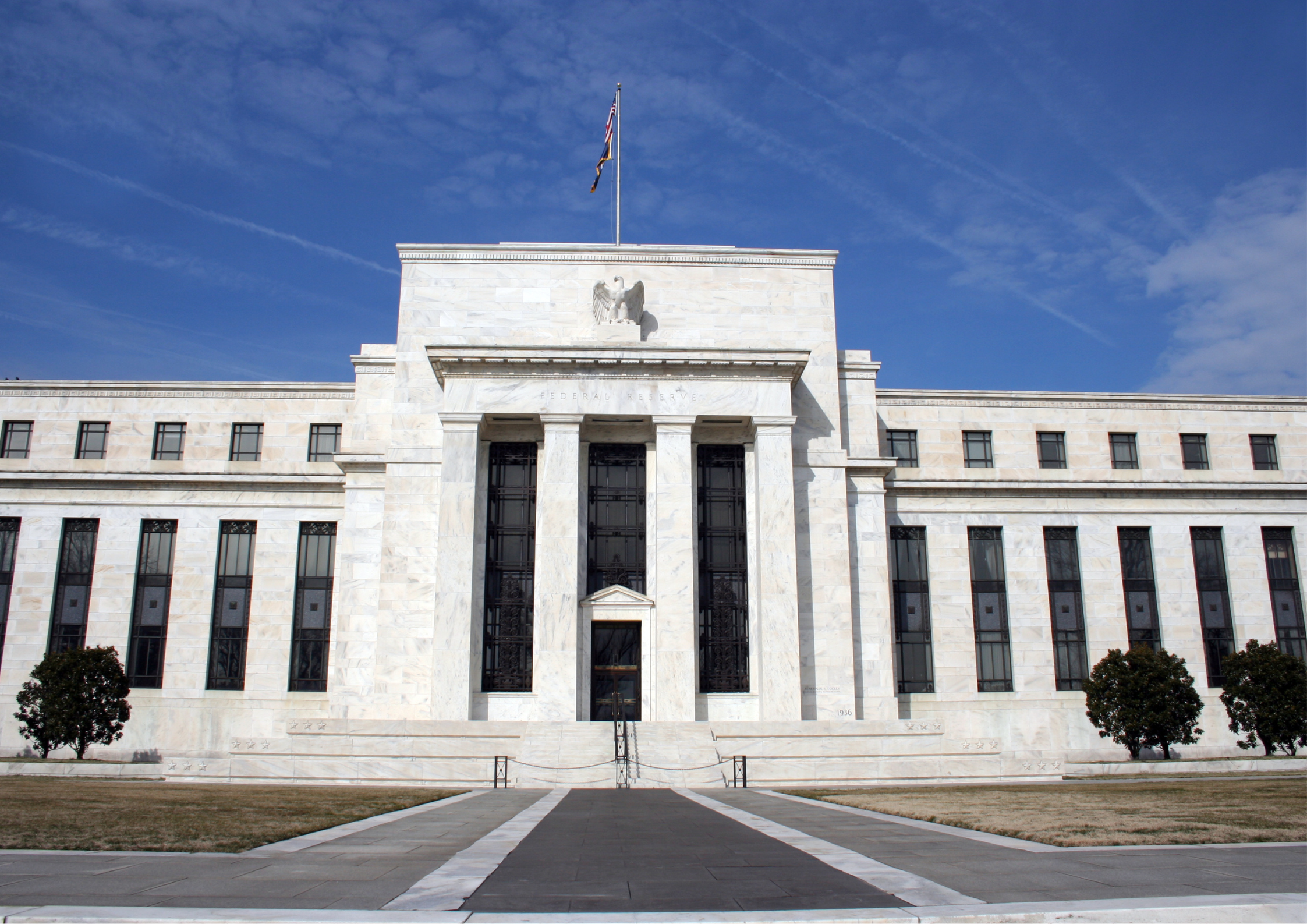
The U.S. Federal Reserve's losses have crossed the $200 billion mark, as revealed by the central bank's latest data released on Thursday. As of Wednesday, the Fed's “earnings remittance” to the Treasury Department stood at a negative $201.2 billion, highlighting the financial challenges of its aggressive monetary tightening cycle over the past two years.

The reported figure represents a paper loss, recorded as a “deferred asset” on the central bank's balance sheet. This accounting measure allows the Fed to continue its monetary policy operations without impairment, but before it can resume returning excess earnings to the Treasury, it must first address this shortfall.

These mounting losses are a direct consequence of the high-interest rate path the Fed adopted to combat inflation. The central bank pays banks and money funds to hold cash at the Fed, a policy tool that ensures short-term interest rates remain within target ranges. However, since moving to this loss-making position two years ago, the costs associated with maintaining these rates have outpaced the income from the Fed’s bond portfolio, leading to record losses in 2023.

For years, the Fed had been a net contributor to the U.S. Treasury, returning nearly $1 trillion between 2011 and 2021 according to research by the St. Louis Fed. This changed dramatically after the rate hike cycle that began in March 2022, which saw the central bank’s rate target surge from near-zero to between 5.25% and 5.5% by July 2023. As a result, the Fed’s expenses soared; in 2023, it paid out $176.8 billion to banks and $104.3 billion through its reverse repo facility, while only earning $163.8 billion from its bond holdings.

The Fed’s recent decision to enact a half percentage point rate cut suggests a potentially slower pace of growing losses, as interest expenses are likely to decline with the easing of monetary policy. However, it will still be years before the Fed clears the “deferred asset” and can resume the transfer of excess earnings to the Treasury.

Despite the unprecedented losses, the Fed has so far avoided significant political backlash—a development that has surprised some observers, including former central bankers. This lack of scrutiny may reflect the complex nature of the issue, which while financially significant, does not impair the Fed's ability to steer monetary policy effectively.
About Ezekiel Chew​

Ezekiel Chew, founder and head of training at Asia Forex Mentor, is a renowned forex expert, frequently invited to speak at major industry events. Known for his deep market insights, Ezekiel is one of the top traders committed to supporting the trading community. Making six figures per trade, he also trains traders working in banks, fund management, and prop trading firms.

Why Keeping Crypto on Exchanges Could Cost You Everything

Risks of Storing Cryptocurrency on Centralized Exchanges Why a Lot of People Still Use Centralized Exchanges Centralized exchanges are still popular because they are easy to use. They offer a crypto exchange, storage, and access to fiat currency all in one place. Big companies advertise strong liquidity, easy onboarding, and

Read More

Stop Losing Money in Crypto: Analyze Projects the Smart Way

How to Analyze Cryptocurrency Projects Before Investing People can avoid hype, find weak ideas, and make wiser choices in a fast-moving crypto market if they learn how to examine cryptocurrency projects before investing. Because investing in cryptocurrencies is still very risky, it’s more important to do your study, analyze the

Read More

M1 Finance Review 2026 – REAL Traders Report

            OPEN AN ACCOUNT             M1 Finance Review M1 Finance is positioned as an all in one money platform that combines investing, cash management, and borrowing in a single app experience. On its official site, M1 highlights automated investing, commission-free investing

Read More

AFM Trading Summit Live

Date: Coming Soon

Join us at the AFM Trading Summit Live and learn from top industry experts through live trading sessions, market insights, and actionable strategies.

Fed’s Paper Losses Surpass $200 Billion Amid High Interest Expenses

4.0
Overall Trust Index

Written by:

Updated:

October 3, 2024
The U.S. Federal Reserve's losses have crossed the $200 billion mark, as revealed by the central bank's latest data released on Thursday. As of Wednesday, the Fed's "earnings remittance" to the Treasury Department stood at a negative $201.2 billion, highlighting the financial challenges of its aggressive monetary tightening cycle over the past two years. The reported figure represents a paper loss, recorded as a "deferred asset" on the central bank's balance sheet. This accounting measure allows the Fed to continue its monetary policy operations without impairment, but before it can resume returning excess earnings to the Treasury, it must first address this shortfall. These mounting losses are a direct consequence of the high-interest rate path the Fed adopted to combat inflation. The central bank pays banks and money funds to hold cash at the Fed, a policy tool that ensures short-term interest rates remain within target ranges. However, since moving to this loss-making position two years ago, the costs associated with maintaining these rates have outpaced the income from the Fed’s bond portfolio, leading to record losses in 2023. For years, the Fed had been a net contributor to the U.S. Treasury, returning nearly $1 trillion between 2011 and 2021 according to research by the St. Louis Fed. This changed dramatically after the rate hike cycle that began in March 2022, which saw the central bank’s rate target surge from near-zero to between 5.25% and 5.5% by July 2023. As a result, the Fed’s expenses soared; in 2023, it paid out $176.8 billion to banks and $104.3 billion through its reverse repo facility, while only earning $163.8 billion from its bond holdings. The Fed’s recent decision to enact a half percentage point rate cut suggests a potentially slower pace of growing losses, as interest expenses are likely to decline with the easing of monetary policy. However, it will still be years before the Fed clears the "deferred asset" and can resume the transfer of excess earnings to the Treasury. Despite the unprecedented losses, the Fed has so far avoided significant political backlash—a development that has surprised some observers, including former central bankers. This lack of scrutiny may reflect the complex nature of the issue, which while financially significant, does not impair the Fed's ability to steer monetary policy effectively.
ezekiel chew asiaforexmentor

About Ezekiel Chew

Ezekiel Chew, founder and head of training at Asia Forex Mentor, is a renowned forex expert, frequently invited to speak at major industry events. Known for his deep market insights, Ezekiel is one of the top traders committed to supporting the trading community. Making six figures per trade, he also trains traders working in banks, fund management, and prop trading firms.

RELATED ARTICLES

Fed’s Paper Losses Surpass $200 Billion Amid High Interest Expenses

4.0
Overall Trust Index

Written by:

Updated:

October 3, 2024
The U.S. Federal Reserve's losses have crossed the $200 billion mark, as revealed by the central bank's latest data released on Thursday. As of Wednesday, the Fed's "earnings remittance" to the Treasury Department stood at a negative $201.2 billion, highlighting the financial challenges of its aggressive monetary tightening cycle over the past two years. The reported figure represents a paper loss, recorded as a "deferred asset" on the central bank's balance sheet. This accounting measure allows the Fed to continue its monetary policy operations without impairment, but before it can resume returning excess earnings to the Treasury, it must first address this shortfall. These mounting losses are a direct consequence of the high-interest rate path the Fed adopted to combat inflation. The central bank pays banks and money funds to hold cash at the Fed, a policy tool that ensures short-term interest rates remain within target ranges. However, since moving to this loss-making position two years ago, the costs associated with maintaining these rates have outpaced the income from the Fed’s bond portfolio, leading to record losses in 2023. For years, the Fed had been a net contributor to the U.S. Treasury, returning nearly $1 trillion between 2011 and 2021 according to research by the St. Louis Fed. This changed dramatically after the rate hike cycle that began in March 2022, which saw the central bank’s rate target surge from near-zero to between 5.25% and 5.5% by July 2023. As a result, the Fed’s expenses soared; in 2023, it paid out $176.8 billion to banks and $104.3 billion through its reverse repo facility, while only earning $163.8 billion from its bond holdings. The Fed’s recent decision to enact a half percentage point rate cut suggests a potentially slower pace of growing losses, as interest expenses are likely to decline with the easing of monetary policy. However, it will still be years before the Fed clears the "deferred asset" and can resume the transfer of excess earnings to the Treasury. Despite the unprecedented losses, the Fed has so far avoided significant political backlash—a development that has surprised some observers, including former central bankers. This lack of scrutiny may reflect the complex nature of the issue, which while financially significant, does not impair the Fed's ability to steer monetary policy effectively.
ezekiel chew asiaforexmentor

About Ezekiel Chew

Ezekiel Chew, founder and head of training at Asia Forex Mentor, is a renowned forex expert, frequently invited to speak at major industry events. Known for his deep market insights, Ezekiel is one of the top traders committed to supporting the trading community. Making six figures per trade, he also trains traders working in banks, fund management, and prop trading firms.

RELATED ARTICLES

Join the Live Event
Get Your Free Ticket Now

I consent to receiving emails and/or text message reminders for this event.

REGISTER FOR THE MASTERCLASS!