Learn To Trade Forex • Best Forex Trading Course • AsiaForexMentor

How To Use the Forex Compound Calculator?

Written by

Ezekiel Chew

Updated on

January 29, 2025

i

How To Use the Forex Compound Calculator?

Written by:

Last updated on:

January 29, 2025

A Forex compounding calculator is a tool that can help traders calculate the potential profits or returns on a trading account that is being compounded over time. The calculator typically considers the starting balance, the monthly return, the number of months, and the compounding frequency.

It can provide valuable information on the effects of compounding on account growth and help traders make more informed decisions about their trading strategy.

Also Read: Forex Risk Management- How to calculate the correct lot size in forex?

Contents

What Is Forex Compounding Calculator?

One of the most common tools employed by Forex traders is the Forex Compounding Calculator, which simulates the development of one's trading account by compounding gains with a predetermined gain percentage per trade over a predetermined period.
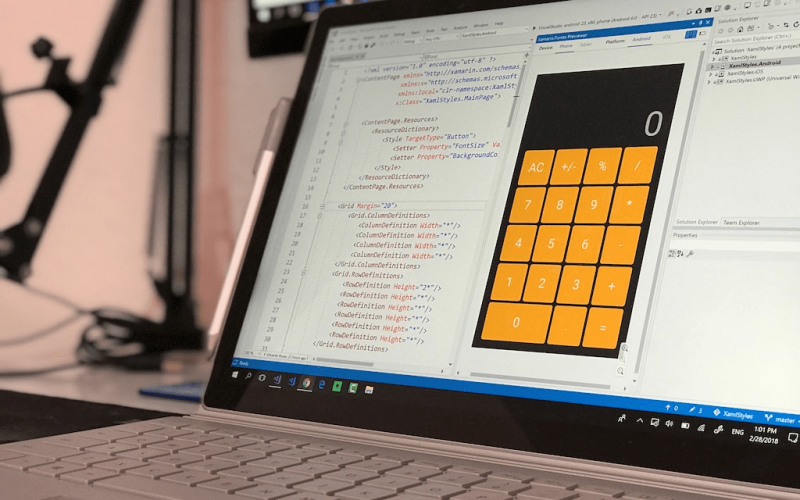
Compounding Calculator
Photo Credit: unsplash.com

By using this tool, traders can show how effective compounding gains can be, even with low-profit percentages or moderate gain margins of 1% per transaction. After just 70 profitable trades, the initial account equity would quadruple!

Back to Top

How To Use the Forex Compound Calculator

This Forex Compound Calculator profits can be used to calculate the precise amount that can be added to the original starting balance total gain over several periods with a moderate gain percentage. Let's go through each field in our calculator's interface.

Starting Balance

The initial investment value, also known as the opening balance of an account, is shown in this area. This example will start with a value of 1,000 units in any base currency for the account.

Number of Periods

This parameter indicates how many intervals traders can replicate a successful strike of any successive winning transactions.

For our example, we'll suppose that we'll have 30 straight profitable trades over the course of a year.

Gain percentage per period

The compounding gains calculator's most important parameter! To suit your trading approach, you can replicate the gain percentage at any time using the data in this area.

Back to Top

How Is the Compound Interest Formula Calculated?

The compounding interest formula is: FV = P(1 + r/n)^(nt)

Where:

  • FV = Future Value of your investment
  • P = Principal or Initial deposit
  • r = Interest Rate
  • n = the number of times the investment is compounded in a period
  • t = the number of periods.
Compound Interest Formula
Photo Credit: pexels.com

This formula calculates the future value of an investment, given the initial deposit (P), the interest rate (r), the number of times the interest is compounded per period (n), and the number of periods (t) over which the investment is made.

Also Read: The Gann Square of 9: Calculating Market Values for Over a Century

Back to Top

How To Calculate Forex Gains and Losses

To calculate Forex gains and losses, you will need to determine the following:

  • Position size: This is the number of units of the currency pair that you have bought or sold.
  • Starting Balance: This is the price at which you entered the trade.
  • Exit price: This is the price at which you closed the trade.

Once you get the above information, you can calculate your gain or loss as follows:

  • For a long position (meaning you bought the currency pair), subtract the entry price from the exit price and multiply the result by the position size.
  • For a short position (meaning you sold the currency pair), subtract the exit price from the entry price and multiply the result by the position size.
  • The result will be your gain or loss in the currency of the ending account balance.

It's important to note that when calculating gains and losses, forex traders must consider the currency their savings account is based on and if the trade was made by buying or selling the currency pair.
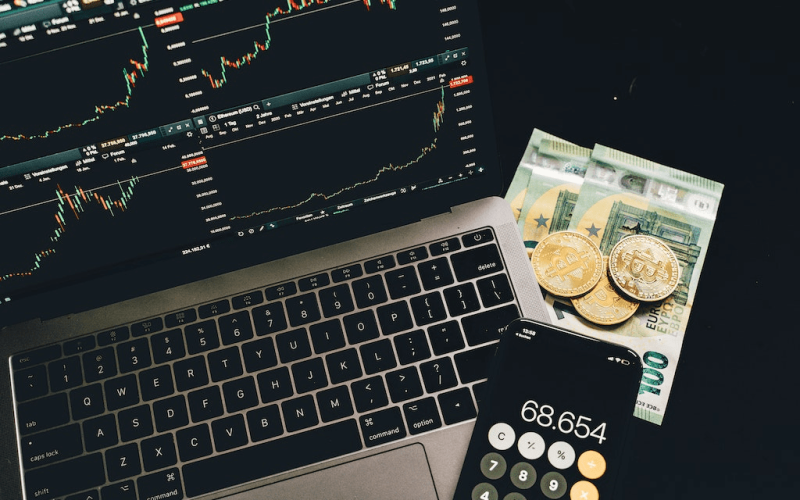
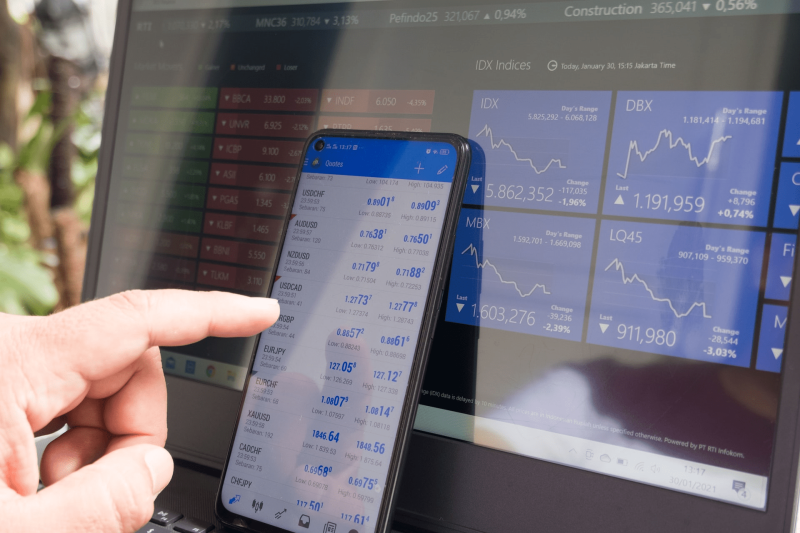
Calculate Forex Gains and Losses
Photo Credit: pexels.com

Additionally, it would help if you always kept in mind that these calculations are based on the assumption that all other factors remain constant and do not take into account market volatility or other external factors that may affect your foreign exchange trading performance.

Back to Top

Pros And Cons of Forex Compounding Gains Calculator

Pros:

  • Provides an estimate of potential account growth
  • Helps traders make more informed decisions
  • Easy to use

Cons:

  • Based on assumptions
  • Not a guarantee of future performance

Limited scope

Back to Top

Bottom Line

A Forex compounding calculator can be a useful tool for traders to estimate the potential growth of their trading account over a certain period. It estimates total return or profit based on assumptions about starting balance, monthly return, number of months, and compounding interest formula.

However, it should be used as a guide, not as a guarantee of future performance, as it doesn't consider market volatility or external factors that may affect trading performance.


Back to Top


About Ezekiel Chew​

Ezekiel Chew, founder and head of training at Asia Forex Mentor, is a renowned forex expert, frequently invited to speak at major industry events. Known for his deep market insights, Ezekiel is one of the top traders committed to supporting the trading community. Making six figures per trade, he also trains traders working in banks, fund management, and prop trading firms.

Ever chased a seemingly perfect signal only to watch the market turn on you? Or perhaps you tried using tools like Lux Algo for straightforward buy-and-sell signals, ending up more perplexed instead. If so, don’t worry—this is a common experience among traders of all levels. At Asia Forex Mentor, we

Read More

Bollinger Bands Trading Strategy and How to Trade Like Pros

Hey, what’s up guys, traders. It’s Ezekiel Chew here. Let me hit you with this. Most traders think they know how to use Bollinger Bands, but the Bands are actually the reason they keep blowing trades. They chase breakouts after the move is already gone. They short reversals before the

Read More

Reversal Trading Strategy: How Market Reversals Really Happen

Hey, what’s up guys, traders. It’s Ezekiel Chew here. Let me hit you with this. Most traders think they are catching reversals, but in reality, they are catching traps. The market does not reverse randomly. It reverses when smart money sweeps liquidity, traps traders, and flips the move while retail

Read More

VWAP Trading Strategy and How Pros Use VWAP

Hey, what’s up guys? It’s Ezekiel Chew here. So let me hit you with this. If you’ve ever taken what felt like a perfect trade, only to watch price reverse the moment you enter, boom, that’s not bad luck. That’s you trading right into institutional zones. Most traders chase candles.

Read More

What Is Volume Profile Trading for Sniper Entries?

Hey, what’s up, traders! It’s Ezekiel Chew here, and today we’re going to talk about volume profile, one of the most powerful trading strategies that can make or break your success in the markets. Let me hit you with this: Most traders lose not because their strategy is broken, but

Read More

AFM Trading Summit Live

Date: Coming Soon

Join us at the AFM Trading Summit Live and learn from top industry experts through live trading sessions, market insights, and actionable strategies.

How To Use the Forex Compound Calculator?

4.0
Overall Trust Index

Written by:

Updated:

January 29, 2025

A Forex compounding calculator is a tool that can help traders calculate the potential profits or returns on a trading account that is being compounded over time. The calculator typically considers the starting balance, the monthly return, the number of months, and the compounding frequency.

It can provide valuable information on the effects of compounding on account growth and help traders make more informed decisions about their trading strategy.

Also Read: Forex Risk Management- How to calculate the correct lot size in forex?

Contents

What Is Forex Compounding Calculator?

One of the most common tools employed by Forex traders is the Forex Compounding Calculator, which simulates the development of one's trading account by compounding gains with a predetermined gain percentage per trade over a predetermined period.

Compounding Calculator
Photo Credit: unsplash.com

By using this tool, traders can show how effective compounding gains can be, even with low-profit percentages or moderate gain margins of 1% per transaction. After just 70 profitable trades, the initial account equity would quadruple!

Back to Top

How To Use the Forex Compound Calculator

This Forex Compound Calculator profits can be used to calculate the precise amount that can be added to the original starting balance total gain over several periods with a moderate gain percentage. Let's go through each field in our calculator's interface.

Starting Balance

The initial investment value, also known as the opening balance of an account, is shown in this area. This example will start with a value of 1,000 units in any base currency for the account.

Number of Periods

This parameter indicates how many intervals traders can replicate a successful strike of any successive winning transactions.

For our example, we'll suppose that we'll have 30 straight profitable trades over the course of a year.

Gain percentage per period

The compounding gains calculator's most important parameter! To suit your trading approach, you can replicate the gain percentage at any time using the data in this area.

Back to Top

How Is the Compound Interest Formula Calculated?

The compounding interest formula is: FV = P(1 + r/n)^(nt)

Where:

  • FV = Future Value of your investment
  • P = Principal or Initial deposit
  • r = Interest Rate
  • n = the number of times the investment is compounded in a period
  • t = the number of periods.
Compound Interest Formula
Photo Credit: pexels.com

This formula calculates the future value of an investment, given the initial deposit (P), the interest rate (r), the number of times the interest is compounded per period (n), and the number of periods (t) over which the investment is made.

Also Read: The Gann Square of 9: Calculating Market Values for Over a Century

Back to Top

How To Calculate Forex Gains and Losses

To calculate Forex gains and losses, you will need to determine the following:

  • Position size: This is the number of units of the currency pair that you have bought or sold.
  • Starting Balance: This is the price at which you entered the trade.
  • Exit price: This is the price at which you closed the trade.

Once you get the above information, you can calculate your gain or loss as follows:

  • For a long position (meaning you bought the currency pair), subtract the entry price from the exit price and multiply the result by the position size.
  • For a short position (meaning you sold the currency pair), subtract the exit price from the entry price and multiply the result by the position size.
  • The result will be your gain or loss in the currency of the ending account balance.

It's important to note that when calculating gains and losses, forex traders must consider the currency their savings account is based on and if the trade was made by buying or selling the currency pair.

Calculate Forex Gains and Losses
Photo Credit: pexels.com

Additionally, it would help if you always kept in mind that these calculations are based on the assumption that all other factors remain constant and do not take into account market volatility or other external factors that may affect your foreign exchange trading performance.

Back to Top

Pros And Cons of Forex Compounding Gains Calculator

Pros:

  • Provides an estimate of potential account growth
  • Helps traders make more informed decisions
  • Easy to use

Cons:

  • Based on assumptions
  • Not a guarantee of future performance

Limited scope

Back to Top

Bottom Line

A Forex compounding calculator can be a useful tool for traders to estimate the potential growth of their trading account over a certain period. It estimates total return or profit based on assumptions about starting balance, monthly return, number of months, and compounding interest formula.

However, it should be used as a guide, not as a guarantee of future performance, as it doesn't consider market volatility or external factors that may affect trading performance.
Back to Top


ezekiel chew asiaforexmentor

About Ezekiel Chew

Ezekiel Chew, founder and head of training at Asia Forex Mentor, is a renowned forex expert, frequently invited to speak at major industry events. Known for his deep market insights, Ezekiel is one of the top traders committed to supporting the trading community. Making six figures per trade, he also trains traders working in banks, fund management, and prop trading firms.

RELATED ARTICLES

How To Use the Forex Compound Calculator?

4.0
Overall Trust Index

Written by:

Updated:

January 29, 2025

A Forex compounding calculator is a tool that can help traders calculate the potential profits or returns on a trading account that is being compounded over time. The calculator typically considers the starting balance, the monthly return, the number of months, and the compounding frequency.

It can provide valuable information on the effects of compounding on account growth and help traders make more informed decisions about their trading strategy.

Also Read: Forex Risk Management- How to calculate the correct lot size in forex?

Contents

What Is Forex Compounding Calculator?

One of the most common tools employed by Forex traders is the Forex Compounding Calculator, which simulates the development of one's trading account by compounding gains with a predetermined gain percentage per trade over a predetermined period.

Compounding Calculator
Photo Credit: unsplash.com

By using this tool, traders can show how effective compounding gains can be, even with low-profit percentages or moderate gain margins of 1% per transaction. After just 70 profitable trades, the initial account equity would quadruple!

Back to Top

How To Use the Forex Compound Calculator

This Forex Compound Calculator profits can be used to calculate the precise amount that can be added to the original starting balance total gain over several periods with a moderate gain percentage. Let's go through each field in our calculator's interface.

Starting Balance

The initial investment value, also known as the opening balance of an account, is shown in this area. This example will start with a value of 1,000 units in any base currency for the account.

Number of Periods

This parameter indicates how many intervals traders can replicate a successful strike of any successive winning transactions.

For our example, we'll suppose that we'll have 30 straight profitable trades over the course of a year.

Gain percentage per period

The compounding gains calculator's most important parameter! To suit your trading approach, you can replicate the gain percentage at any time using the data in this area.

Back to Top

How Is the Compound Interest Formula Calculated?

The compounding interest formula is: FV = P(1 + r/n)^(nt)

Where:

  • FV = Future Value of your investment
  • P = Principal or Initial deposit
  • r = Interest Rate
  • n = the number of times the investment is compounded in a period
  • t = the number of periods.
Compound Interest Formula
Photo Credit: pexels.com

This formula calculates the future value of an investment, given the initial deposit (P), the interest rate (r), the number of times the interest is compounded per period (n), and the number of periods (t) over which the investment is made.

Also Read: The Gann Square of 9: Calculating Market Values for Over a Century

Back to Top

How To Calculate Forex Gains and Losses

To calculate Forex gains and losses, you will need to determine the following:

  • Position size: This is the number of units of the currency pair that you have bought or sold.
  • Starting Balance: This is the price at which you entered the trade.
  • Exit price: This is the price at which you closed the trade.

Once you get the above information, you can calculate your gain or loss as follows:

  • For a long position (meaning you bought the currency pair), subtract the entry price from the exit price and multiply the result by the position size.
  • For a short position (meaning you sold the currency pair), subtract the exit price from the entry price and multiply the result by the position size.
  • The result will be your gain or loss in the currency of the ending account balance.

It's important to note that when calculating gains and losses, forex traders must consider the currency their savings account is based on and if the trade was made by buying or selling the currency pair.

Calculate Forex Gains and Losses
Photo Credit: pexels.com

Additionally, it would help if you always kept in mind that these calculations are based on the assumption that all other factors remain constant and do not take into account market volatility or other external factors that may affect your foreign exchange trading performance.

Back to Top

Pros And Cons of Forex Compounding Gains Calculator

Pros:

  • Provides an estimate of potential account growth
  • Helps traders make more informed decisions
  • Easy to use

Cons:

  • Based on assumptions
  • Not a guarantee of future performance

Limited scope

Back to Top

Bottom Line

A Forex compounding calculator can be a useful tool for traders to estimate the potential growth of their trading account over a certain period. It estimates total return or profit based on assumptions about starting balance, monthly return, number of months, and compounding interest formula.

However, it should be used as a guide, not as a guarantee of future performance, as it doesn't consider market volatility or external factors that may affect trading performance.
Back to Top


ezekiel chew asiaforexmentor

About Ezekiel Chew

Ezekiel Chew, founder and head of training at Asia Forex Mentor, is a renowned forex expert, frequently invited to speak at major industry events. Known for his deep market insights, Ezekiel is one of the top traders committed to supporting the trading community. Making six figures per trade, he also trains traders working in banks, fund management, and prop trading firms.

RELATED ARTICLES

I consent to receiving emails and/or text message reminders for this event.

REGISTER FOR THE MASTERCLASS!