Learn To Trade Forex • Best Forex Trading Course • AsiaForexMentor

How The Put Debit Spread Strategy Can Enhance Your Profit Margin in Day Trading

Written by

Ezekiel Chew

Updated on

January 29, 2025

i

How The Put Debit Spread Strategy Can Enhance Your Profit Margin in Day Trading

Written by:

Ezekiel Chew

Last updated on:

January 29, 2025

Trading options can be a lucrative way to invest in the stock market but it also comes with risks. One popular strategy used by options traders is the Put Debit Spread. This strategy involves buying a put option at a lower trigger price and selling a put option at a higher price. The goal is to profit from a downward movement in the underlying asset price.

Put Debit Spreads are typically used by traders who believe the underlying stock price will decrease. By using this strategy, traders can limit their potential losses while still having the opportunity to profit from a downward movement in the stock price.

The Put Debit Spread can be useful for traders who want to participate in bearish market conditions while managing their risks.

Also Read: The Basics of Put Call Parity: Everything You Need To Know

Contents

Understanding The Strike Price

The strike price is a predetermined price at which the underlying asset of an option can be bought or sold, depending on the option type. For put options, the strike price refers to the exact selling price of the underlying stock. The strike price is an important factor in options trading, as it determines the cost of the option and the potential profit or loss.

Strike Price
Photo Credit: pexels.com

In a Put Debit Spread, two put options are involved: a long put option with a lower strike price and a short put option with a higher strike price. The difference between the two strike prices is known as the “spread.” For example, if the long put option has a strike price of $50 and the short put option has a strike price of $55, the spread is $5.

Different strike prices can affect a Put Debit Spread’s cost and potential profit. If the spread is narrow, then the cost of the spread will be lower, but the potential profit will also be lower. On the other hand, a wider spread will result in a higher cost and a higher potential profit.

Back to Top

Calculating Maximum Profit and Loss

The maximum profit and loss of a Put Debit Spread, a trading strategy involving buying a put option at a lower trigger price and selling a put option at a higher price, can be calculated by considering the underlying stock price and the strike prices of the options.
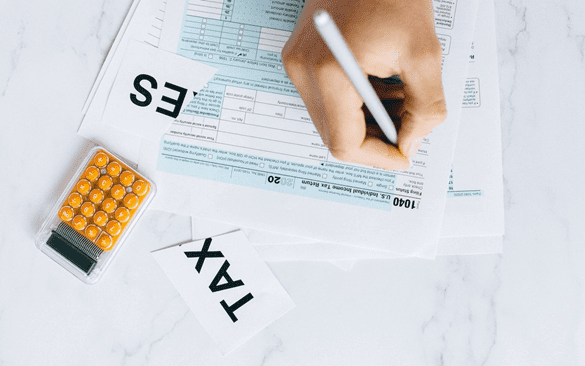
maximum profit and loss of a Put Debit Spread
Photo Credit: pexels.com

To calculate the maximum profit, subtract the net debit of the spread from the difference in strike prices, and to calculate the maximum loss, subtract the maximum profit from the net debit of the spread.

The potential profit and loss of a Put Debit Spread can be impacted by several factors, including the price of the underlying stock, the volatility of the stock, and the time until the expiration of the options. The direction of the underlying stock price impacts the potential profit and loss of the spread, with a price increase leading to a potential loss and a price decrease leading to a potential profit. Higher volatility increases the potential profit and loss of the spread, while a decrease in the time until expiration can impact the net debit of the spread and the potential profit and loss.

stock market
Photo Credit: pexels.com

By considering these factors, traders can make informed decisions and manage maximum risk while potentially earning a profit through the Put Debit Spread strategy.

Back to Top

Factors Affecting the Stock Price

The stock price is an essential factor in the Put Debit Spread strategy. A decrease in the stock price can positively affect the Put Debit Spread by increasing the potential profit and reducing the potential loss. This happens because the value of the long put option increases more than that of the short put option, leading to a net profit.

Conversely, an increase in the stock price can have a negative effect on the Put Debit Spread. In this scenario, the value of the long put option decreases, leading to a decrease in the potential profit. In contrast, the value of the short put option decreases at a lower rate, leading to an increase in the potential loss.

The magnitude of the change in the stock price can also impact the potential profit and loss of the Put Debit Spread. A small decrease in the stock price may result in a small profit or a reduced potential loss, while a large decrease in the stock price can result in a larger profit or a smaller potential loss.

Back to Top

Advantages and Disadvantages of Put Debit Spread

The Put Debit Spread strategy has advantages and disadvantages that traders must consider when trading options.

Advantages and Disadvantages
Photo Credit: pexels.com

Advantages

  • Defined Risk: Traders can determine the maximum potential loss in advance, allowing them to manage their maximum risk effectively.
  • Lower Cost: The Put Debit Spread strategy is less expensive than buying a put option outright, making it an attractive option for traders with limited funds.
  • Profit in Falling Markets: Traders can profit from a falling market by using the Put Debit Spread strategy.

Disadvantages

  • Limited Profit Potential: The potential profit is limited to the difference between the strike prices, reducing the potential return on investment.
  • Time Decay: The value of the options decreases as the expiration date approaches, which can reduce the potential profit.
  • Narrow Profit Zone: The stock price falls below the lower strike price to realize a profit, which can limit the potential profit.

Back to Top

Bottom Line

The Put Debit Spread strategy can effectively profit from a falling market while managing risks. Key takeaways from this trading strategy include understanding the strike price, calculating maximum profit and loss, and considering the factors that affect the stock price. The strategy has advantages such as defined risk, lower cost, and the ability to profit in a falling market. However, it also has disadvantages such as limited profit potential, time decay, and a narrow profit zone.

Traders must weigh the maximum risks and rewards and implement risk management strategies to maximize profits while managing risks. With careful consideration and monitoring, the Put Debit Spread strategy can be valuable in options trading.

Back to Top

FAQs

How do You Profit on a Put Debit Spread?

A bear put debit spread can be obtained by buying put options and selling the same number of puts on the same assets with the same expiration date for a lesser strike price. Maximum profits derived through these methods equals the difference between two strike prices minus the net cost of options.

What is the Max Loss on a Debit Put Spread?

Maximum losses on debit spreads are equal to debits received. The debit spread is defined-risk trade, which translates to knowing each trade’s maximum profit and loss. It feels very good psychologically because it’s less risky than buying pure alternatives.

What is the Risk of Put Debit Spread?

The cost of the spread plus transactions calculates the risk. The potential reward equals spread width minus debit value plus transaction cost.

Is a Debit Spread Bullish?

A vertical call spread, called call debit spread, is a bullish options trade defining the maximum earnings per trade.


Back to Top


About Ezekiel Chew​

Ezekiel Chew, founder and head of training at Asia Forex Mentor, is a renowned forex expert, frequently invited to speak at major industry events. Known for his deep market insights, Ezekiel is one of the top traders committed to supporting the trading community. Making six figures per trade, he also trains traders working in banks, fund management, and prop trading firms.

How to Read Candlesticks (Most Traders Get This Wrong)

Most traders who spend months learning how to read candlesticks still lose on setups that looked textbook. The pattern was never the problem. Reading it without context was. ABOUT THIS GUIDE This guide covers three specific candlestick signals used in professional price action trading, the Fibonacci golden zone context tool,

Read More

What Profit Factor Tells You Before Going Live

Profit factor is calculated by dividing a strategy’s total gross profit by its total gross loss, and most experienced traders reject any system that reads below 1.5 before risking real capital. Most traders see any positive number and call it a green light. That is where the costly mistake starts.

Read More

6 Forex Trading Scams Every Beginner Should Know

The most effective forex trading scams do not announce themselves as threats. They arrive as opportunities, come through referrals and social media, and are often indistinguishable from legitimate services until the first withdrawal request is made. ABOUT THIS GUIDE This guide covers the six most common forex trading scams, the

Read More

How to Use Fibonacci Retracement Step by Step in 2026

Most traders learn how to use Fibonacci retracement and immediately draw it wrong. This tool comes from a mathematical sequence first documented in 1202, and institutional traders use it daily to plan entries at precise price levels. The majority of retail traders miss the one placement rule that makes every

Read More

Free Margin in Forex What the MT4 Panel Shows

Free margin in forex is the one figure on the MT4 or MT5 account panel that determines whether another position can open right now, and it is consistently the last number most traders learn to read. ABOUT THIS GUIDE This guide explains what free margin is and how it connects

Read More

Scalping Trading Strategy The Pros Actually Use

The scalping trading strategy most retail traders use is not actually scalping. They are gambling on 1-minute candles with no defined edge, no position-sizing rules, and no plan for when the losses come. ABOUT THIS GUIDE This guide covers what scalping is, how professional scalpers build a repeatable edge, and

Read More

AFM Trading Summit Live

Date: Coming Soon

Join us at the AFM Trading Summit Live and learn from top industry experts through live trading sessions, market insights, and actionable strategies.

How The Put Debit Spread Strategy Can Enhance Your Profit Margin in Day Trading

4.0
Overall Trust Index

Written by:

Updated:

January 29, 2025

Trading options can be a lucrative way to invest in the stock market but it also comes with risks. One popular strategy used by options traders is the Put Debit Spread. This strategy involves buying a put option at a lower trigger price and selling a put option at a higher price. The goal is to profit from a downward movement in the underlying asset price.

Put Debit Spreads are typically used by traders who believe the underlying stock price will decrease. By using this strategy, traders can limit their potential losses while still having the opportunity to profit from a downward movement in the stock price.

The Put Debit Spread can be useful for traders who want to participate in bearish market conditions while managing their risks.

Also Read: The Basics of Put Call Parity: Everything You Need To Know

Contents

Understanding The Strike Price

The strike price is a predetermined price at which the underlying asset of an option can be bought or sold, depending on the option type. For put options, the strike price refers to the exact selling price of the underlying stock. The strike price is an important factor in options trading, as it determines the cost of the option and the potential profit or loss.

Strike Price
Photo Credit: pexels.com

In a Put Debit Spread, two put options are involved: a long put option with a lower strike price and a short put option with a higher strike price. The difference between the two strike prices is known as the "spread." For example, if the long put option has a strike price of $50 and the short put option has a strike price of $55, the spread is $5.

Different strike prices can affect a Put Debit Spread's cost and potential profit. If the spread is narrow, then the cost of the spread will be lower, but the potential profit will also be lower. On the other hand, a wider spread will result in a higher cost and a higher potential profit.

Back to Top

Calculating Maximum Profit and Loss

The maximum profit and loss of a Put Debit Spread, a trading strategy involving buying a put option at a lower trigger price and selling a put option at a higher price, can be calculated by considering the underlying stock price and the strike prices of the options.

maximum profit and loss of a Put Debit Spread
Photo Credit: pexels.com

To calculate the maximum profit, subtract the net debit of the spread from the difference in strike prices, and to calculate the maximum loss, subtract the maximum profit from the net debit of the spread.

The potential profit and loss of a Put Debit Spread can be impacted by several factors, including the price of the underlying stock, the volatility of the stock, and the time until the expiration of the options. The direction of the underlying stock price impacts the potential profit and loss of the spread, with a price increase leading to a potential loss and a price decrease leading to a potential profit. Higher volatility increases the potential profit and loss of the spread, while a decrease in the time until expiration can impact the net debit of the spread and the potential profit and loss.

stock market
Photo Credit: pexels.com

By considering these factors, traders can make informed decisions and manage maximum risk while potentially earning a profit through the Put Debit Spread strategy.

Back to Top

Factors Affecting the Stock Price

The stock price is an essential factor in the Put Debit Spread strategy. A decrease in the stock price can positively affect the Put Debit Spread by increasing the potential profit and reducing the potential loss. This happens because the value of the long put option increases more than that of the short put option, leading to a net profit.

Conversely, an increase in the stock price can have a negative effect on the Put Debit Spread. In this scenario, the value of the long put option decreases, leading to a decrease in the potential profit. In contrast, the value of the short put option decreases at a lower rate, leading to an increase in the potential loss.

The magnitude of the change in the stock price can also impact the potential profit and loss of the Put Debit Spread. A small decrease in the stock price may result in a small profit or a reduced potential loss, while a large decrease in the stock price can result in a larger profit or a smaller potential loss.

Back to Top

Advantages and Disadvantages of Put Debit Spread

The Put Debit Spread strategy has advantages and disadvantages that traders must consider when trading options.

Advantages and Disadvantages
Photo Credit: pexels.com

Advantages

  • Defined Risk: Traders can determine the maximum potential loss in advance, allowing them to manage their maximum risk effectively.
  • Lower Cost: The Put Debit Spread strategy is less expensive than buying a put option outright, making it an attractive option for traders with limited funds.
  • Profit in Falling Markets: Traders can profit from a falling market by using the Put Debit Spread strategy.

Disadvantages

  • Limited Profit Potential: The potential profit is limited to the difference between the strike prices, reducing the potential return on investment.
  • Time Decay: The value of the options decreases as the expiration date approaches, which can reduce the potential profit.
  • Narrow Profit Zone: The stock price falls below the lower strike price to realize a profit, which can limit the potential profit.

Back to Top

Bottom Line

The Put Debit Spread strategy can effectively profit from a falling market while managing risks. Key takeaways from this trading strategy include understanding the strike price, calculating maximum profit and loss, and considering the factors that affect the stock price. The strategy has advantages such as defined risk, lower cost, and the ability to profit in a falling market. However, it also has disadvantages such as limited profit potential, time decay, and a narrow profit zone.

Traders must weigh the maximum risks and rewards and implement risk management strategies to maximize profits while managing risks. With careful consideration and monitoring, the Put Debit Spread strategy can be valuable in options trading.

Back to Top

FAQs

How do You Profit on a Put Debit Spread?

A bear put debit spread can be obtained by buying put options and selling the same number of puts on the same assets with the same expiration date for a lesser strike price. Maximum profits derived through these methods equals the difference between two strike prices minus the net cost of options.

What is the Max Loss on a Debit Put Spread?

Maximum losses on debit spreads are equal to debits received. The debit spread is defined-risk trade, which translates to knowing each trade's maximum profit and loss. It feels very good psychologically because it's less risky than buying pure alternatives.

What is the Risk of Put Debit Spread?

The cost of the spread plus transactions calculates the risk. The potential reward equals spread width minus debit value plus transaction cost.

Is a Debit Spread Bullish?

A vertical call spread, called call debit spread, is a bullish options trade defining the maximum earnings per trade.

Back to Top


ezekiel chew asiaforexmentor

About Ezekiel Chew

Ezekiel Chew, founder and head of training at Asia Forex Mentor, is a renowned forex expert, frequently invited to speak at major industry events. Known for his deep market insights, Ezekiel is one of the top traders committed to supporting the trading community. Making six figures per trade, he also trains traders working in banks, fund management, and prop trading firms.

RELATED ARTICLES

How The Put Debit Spread Strategy Can Enhance Your Profit Margin in Day Trading

4.0
Overall Trust Index

Written by:

Updated:

January 29, 2025

Trading options can be a lucrative way to invest in the stock market but it also comes with risks. One popular strategy used by options traders is the Put Debit Spread. This strategy involves buying a put option at a lower trigger price and selling a put option at a higher price. The goal is to profit from a downward movement in the underlying asset price.

Put Debit Spreads are typically used by traders who believe the underlying stock price will decrease. By using this strategy, traders can limit their potential losses while still having the opportunity to profit from a downward movement in the stock price.

The Put Debit Spread can be useful for traders who want to participate in bearish market conditions while managing their risks.

Also Read: The Basics of Put Call Parity: Everything You Need To Know

Contents

Understanding The Strike Price

The strike price is a predetermined price at which the underlying asset of an option can be bought or sold, depending on the option type. For put options, the strike price refers to the exact selling price of the underlying stock. The strike price is an important factor in options trading, as it determines the cost of the option and the potential profit or loss.

Strike Price
Photo Credit: pexels.com

In a Put Debit Spread, two put options are involved: a long put option with a lower strike price and a short put option with a higher strike price. The difference between the two strike prices is known as the "spread." For example, if the long put option has a strike price of $50 and the short put option has a strike price of $55, the spread is $5.

Different strike prices can affect a Put Debit Spread's cost and potential profit. If the spread is narrow, then the cost of the spread will be lower, but the potential profit will also be lower. On the other hand, a wider spread will result in a higher cost and a higher potential profit.

Back to Top

Calculating Maximum Profit and Loss

The maximum profit and loss of a Put Debit Spread, a trading strategy involving buying a put option at a lower trigger price and selling a put option at a higher price, can be calculated by considering the underlying stock price and the strike prices of the options.

maximum profit and loss of a Put Debit Spread
Photo Credit: pexels.com

To calculate the maximum profit, subtract the net debit of the spread from the difference in strike prices, and to calculate the maximum loss, subtract the maximum profit from the net debit of the spread.

The potential profit and loss of a Put Debit Spread can be impacted by several factors, including the price of the underlying stock, the volatility of the stock, and the time until the expiration of the options. The direction of the underlying stock price impacts the potential profit and loss of the spread, with a price increase leading to a potential loss and a price decrease leading to a potential profit. Higher volatility increases the potential profit and loss of the spread, while a decrease in the time until expiration can impact the net debit of the spread and the potential profit and loss.

stock market
Photo Credit: pexels.com

By considering these factors, traders can make informed decisions and manage maximum risk while potentially earning a profit through the Put Debit Spread strategy.

Back to Top

Factors Affecting the Stock Price

The stock price is an essential factor in the Put Debit Spread strategy. A decrease in the stock price can positively affect the Put Debit Spread by increasing the potential profit and reducing the potential loss. This happens because the value of the long put option increases more than that of the short put option, leading to a net profit.

Conversely, an increase in the stock price can have a negative effect on the Put Debit Spread. In this scenario, the value of the long put option decreases, leading to a decrease in the potential profit. In contrast, the value of the short put option decreases at a lower rate, leading to an increase in the potential loss.

The magnitude of the change in the stock price can also impact the potential profit and loss of the Put Debit Spread. A small decrease in the stock price may result in a small profit or a reduced potential loss, while a large decrease in the stock price can result in a larger profit or a smaller potential loss.

Back to Top

Advantages and Disadvantages of Put Debit Spread

The Put Debit Spread strategy has advantages and disadvantages that traders must consider when trading options.

Advantages and Disadvantages
Photo Credit: pexels.com

Advantages

  • Defined Risk: Traders can determine the maximum potential loss in advance, allowing them to manage their maximum risk effectively.
  • Lower Cost: The Put Debit Spread strategy is less expensive than buying a put option outright, making it an attractive option for traders with limited funds.
  • Profit in Falling Markets: Traders can profit from a falling market by using the Put Debit Spread strategy.

Disadvantages

  • Limited Profit Potential: The potential profit is limited to the difference between the strike prices, reducing the potential return on investment.
  • Time Decay: The value of the options decreases as the expiration date approaches, which can reduce the potential profit.
  • Narrow Profit Zone: The stock price falls below the lower strike price to realize a profit, which can limit the potential profit.

Back to Top

Bottom Line

The Put Debit Spread strategy can effectively profit from a falling market while managing risks. Key takeaways from this trading strategy include understanding the strike price, calculating maximum profit and loss, and considering the factors that affect the stock price. The strategy has advantages such as defined risk, lower cost, and the ability to profit in a falling market. However, it also has disadvantages such as limited profit potential, time decay, and a narrow profit zone.

Traders must weigh the maximum risks and rewards and implement risk management strategies to maximize profits while managing risks. With careful consideration and monitoring, the Put Debit Spread strategy can be valuable in options trading.

Back to Top

FAQs

How do You Profit on a Put Debit Spread?

A bear put debit spread can be obtained by buying put options and selling the same number of puts on the same assets with the same expiration date for a lesser strike price. Maximum profits derived through these methods equals the difference between two strike prices minus the net cost of options.

What is the Max Loss on a Debit Put Spread?

Maximum losses on debit spreads are equal to debits received. The debit spread is defined-risk trade, which translates to knowing each trade's maximum profit and loss. It feels very good psychologically because it's less risky than buying pure alternatives.

What is the Risk of Put Debit Spread?

The cost of the spread plus transactions calculates the risk. The potential reward equals spread width minus debit value plus transaction cost.

Is a Debit Spread Bullish?

A vertical call spread, called call debit spread, is a bullish options trade defining the maximum earnings per trade.

Back to Top


ezekiel chew asiaforexmentor

About Ezekiel Chew

Ezekiel Chew, founder and head of training at Asia Forex Mentor, is a renowned forex expert, frequently invited to speak at major industry events. Known for his deep market insights, Ezekiel is one of the top traders committed to supporting the trading community. Making six figures per trade, he also trains traders working in banks, fund management, and prop trading firms.

RELATED ARTICLES

Join the Live Event
Get Your Free Ticket Now

I consent to receiving emails and/or text message reminders for this event.

REGISTER FOR THE MASTERCLASS!