Learn To Trade Forex • Best Forex Trading Course • AsiaForexMentor

What Are Security Token Offerings?

Written by

Ezekiel Chew

Updated on

January 24, 2025

i

What Are Security Token Offerings?

Written by:

Last updated on:

January 24, 2025

In the ever-evolving landscape of financial marketsSecurity Token Offerings (STOs) have emerged as a revolutionary method of fundraising. Distinct from Initial Coin Offerings (ICOs), STOs provide a regulated and secure avenue for raising funds. They bridge the gap between traditional securities and digital assets, offering a plethora of investment opportunities for both retail investors and seasoned financiers.

Understanding Security Tokens
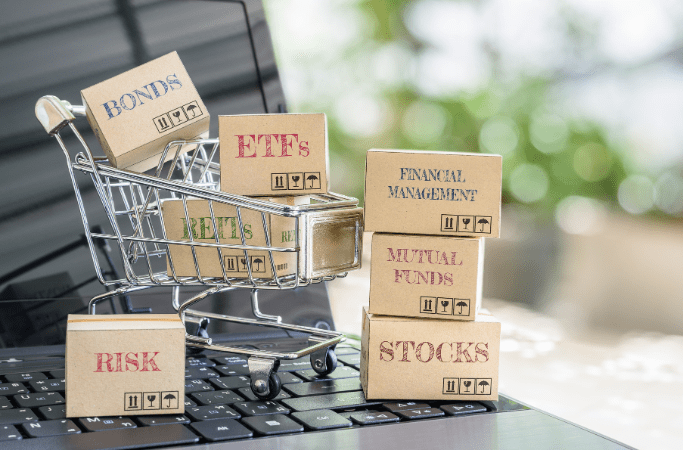
Photo: Canva

A security token offering is a digital representation of real-world assets such as stocks, bonds, or real estate. These tokens differ fundamentally from utility tokens, which grant access to services rather than tangible assets. Security tokens symbolize an investment asset holding intrinsic monetary value. Their classification varies, encompassing equity tokensdebt tokens, and asset-backed tokens. Each type bestows distinct rights to investors, including claims to ownership information, rights to debt repayment, and equity in underlying assets.

Distinct from mere digital tokens, security tokens offer a unique investment propositionEquity tokens provide investors with a stake in the issuing entity's equity, akin to traditional stockholding. Debt tokens, resembling conventional bonds, entail specific repayment terms. Lastly, asset-backed tokens are tethered to physical assets, offering fractionalized investment opportunities. This multifaceted nature positions security tokens as a versatile and significant player in the modern financial landscape.

How Security Token Offerings Work

Photo: Canva

An STO involves issuing digital tokens on a blockchain network to represent ownership of an asset. Through smart contracts, these tokens facilitate automated transactions and ensure regulatory complianceToken holders can benefit from dividendsvoting rights, and a share in the company’s profits, depending on the nature of the token.

Also Read: How To Identify Scam Coins

Advantages of Security Tokens

Fractional Ownership of Expensive Assets

This feature democratizes investment in high-value assets like real estate or fine art, previously inaccessible to average investors. By dividing these assets into smaller, more affordable units, security tokens enable a wider audience to invest in and benefit from these high-value assets.

Enhanced Market Liquidity 

They facilitate quicker and more efficient buying and selling of assets, as tokenization makes it easier to trade parts of an asset. This liquidity is particularly beneficial in markets where assets are typically illiquid, making investment more dynamic and accessible.

Streamlining Token Transactions

By leveraging smart contracts and automated processes, these tokens simplify and accelerate transactions. This efficiency not only saves time and reduces costs but also minimizes the likelihood of human error, enhancing the overall trading experience.

Blockchain Technology

This technology provides a tamper-proof record of transactions, ensuring both the authenticity of assets and the integrity of trades. This transparency is crucial in reducing the risk of fraudulent activities, making security tokens a more trustworthy investment option.

Access to a Broader Range of Potential Investors

Unlike traditional investment methods, STOs are not limited by geographic or institutional boundaries. This accessibility attracts a diverse group of investors, expanding the investment pool and opening up new opportunities for both issuers and investors.

Regulatory Landscape and Compliance
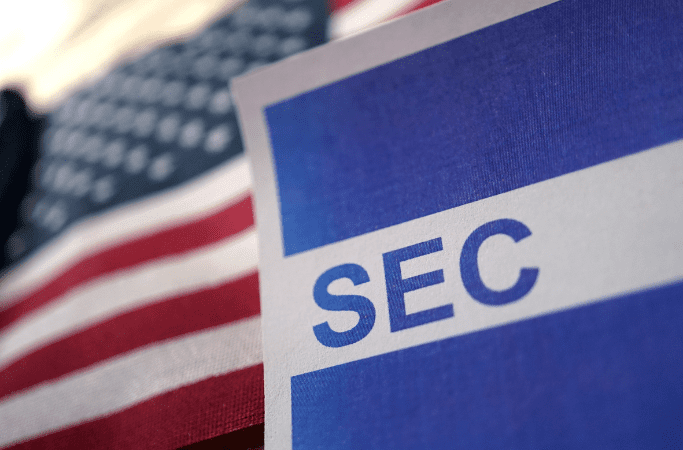
Photo: Canva

STOs are subject to securities laws and regulations by bodies like the Securities and Exchange Commission (SEC). This ensures investor protection and mandates additional legal obligations for issuers to remain compliant with existing lawsRegulated security tokens offer a safer alternative to conventional securities.

STOs vs ICOs

Photo: Canva

Initial Coin Offerings (ICOs) have gained popularity but suffer from a lack of regulatory framework compared to Security Token Offerings (STOs). This absence of regulation heightens the risks and potential for scams in ICOs. Investors in ICOs often navigate uncertain waters with minimal protection, leading to increased vulnerability to fraudulent activities and unstable investments.

In contrast, Security Token Offerings (STOs) offer a regulated, transparent, and secure investment method. They align closely with government regulations and securities legislation, providing a safeguarded environment for investors. This regulatory compliance ensures that STOs operate with greater integrity and accountability, significantly reducing the risks associated with unregulated ICOs and enhancing investor confidence.

Market Potential and Future of STOs

The STO market is experiencing rapid growth, as an increasing number of businesses are turning to issue security tokens as a means to raise capital. This surge is indicative of a shift in the financial sector towards more innovative and flexible fundraising methods. Security tokens offer a blend of traditional investment principles and modern digital convenience, making them an attractive option for companies seeking to leverage new technologies for capital generation.

Tokenized securities in the STO market represent a groundbreaking evolution in the equity markets. The integration of these digital tokens into the capital markets signals a transformative approach to asset tokenization and digital asset trading. This innovation offers a compelling digital alternative to conventional securities, potentially reshaping the landscape of investment and broadening the scope of what can be traded and invested in on the equity markets.

Challenges and Considerations

Despite their potential, STOs face challenges, particularly in achieving market liquidity and secondary market development. Compliance with securities laws and navigating additional legal obligations can be complex. Moreover, ensuring investor protection while maintaining an efficient market remains a key concern.

Conclusion

Security Token Offerings represent a significant shift in how we view financial assets. By blending blockchain technology with traditional investment vehicles, STOs offer a more inclusivesecure, and regulated environment for investors and companies alike. As the world leans towards digitalization, STOs stand at the forefront of a new era in investment opportunities.

Also Read: Wrapped Bitcoin: All You Must Know

FAQs

What Are Security Token Offerings (STOs)?

Security Token Offerings (STOs) are fundraising tools where investors receive digital tokens, typically on a blockchain, representing their investment. Unlike traditional securities, these tokens signify ownership in real-world assets like property or stock. STOs are regulated, offering a safer, more transparent investment method than unregulated ICOs.

How Do Security Tokens Differ From Utility Tokens?

Security tokens represent an investment in an asset with intrinsic value and potential returns, such as dividends or profit sharing. Utility tokens, however, provide access to a service or product and are not primarily investments. Security tokens are subject to securities regulations, ensuring greater investor protection compared to utility tokens.

Why Are STOs Considered Safer Than ICOs?

STOs are considered safer due to their adherence to government regulations and securities laws. This regulatory framework offers investor protection, reducing the risk of fraud and scams prevalent in unregulated ICOs. By complying with legal standards, STOs provide a more secure and transparent environment for investment.


About Ezekiel Chew​

Ezekiel Chew, founder and head of training at Asia Forex Mentor, is a renowned forex expert, frequently invited to speak at major industry events. Known for his deep market insights, Ezekiel is one of the top traders committed to supporting the trading community. Making six figures per trade, he also trains traders working in banks, fund management, and prop trading firms.

How to Read Candlesticks (Most Traders Get This Wrong)

Most traders who spend months learning how to read candlesticks still lose on setups that looked textbook. The pattern was never the problem. Reading it without context was. ABOUT THIS GUIDE This guide covers three specific candlestick signals used in professional price action trading, the Fibonacci golden zone context tool,

Read More

What Profit Factor Tells You Before Going Live

Profit factor is calculated by dividing a strategy’s total gross profit by its total gross loss, and most experienced traders reject any system that reads below 1.5 before risking real capital. Most traders see any positive number and call it a green light. That is where the costly mistake starts.

Read More

6 Forex Trading Scams Every Beginner Should Know

The most effective forex trading scams do not announce themselves as threats. They arrive as opportunities, come through referrals and social media, and are often indistinguishable from legitimate services until the first withdrawal request is made. ABOUT THIS GUIDE This guide covers the six most common forex trading scams, the

Read More

How to Use Fibonacci Retracement Step by Step in 2026

Most traders learn how to use Fibonacci retracement and immediately draw it wrong. This tool comes from a mathematical sequence first documented in 1202, and institutional traders use it daily to plan entries at precise price levels. The majority of retail traders miss the one placement rule that makes every

Read More

Free Margin in Forex What the MT4 Panel Shows

Free margin in forex is the one figure on the MT4 or MT5 account panel that determines whether another position can open right now, and it is consistently the last number most traders learn to read. ABOUT THIS GUIDE This guide explains what free margin is and how it connects

Read More

Scalping Trading Strategy The Pros Actually Use

The scalping trading strategy most retail traders use is not actually scalping. They are gambling on 1-minute candles with no defined edge, no position-sizing rules, and no plan for when the losses come. ABOUT THIS GUIDE This guide covers what scalping is, how professional scalpers build a repeatable edge, and

Read More

AFM Trading Summit Live

Date: Coming Soon

Join us at the AFM Trading Summit Live and learn from top industry experts through live trading sessions, market insights, and actionable strategies.

What Are Security Token Offerings?

4.0
Overall Trust Index

Written by:

Updated:

January 24, 2025
In the ever-evolving landscape of financial marketsSecurity Token Offerings (STOs) have emerged as a revolutionary method of fundraising. Distinct from Initial Coin Offerings (ICOs), STOs provide a regulated and secure avenue for raising funds. They bridge the gap between traditional securities and digital assets, offering a plethora of investment opportunities for both retail investors and seasoned financiers.

Understanding Security Tokens

Photo: Canva
A security token offering is a digital representation of real-world assets such as stocks, bonds, or real estate. These tokens differ fundamentally from utility tokens, which grant access to services rather than tangible assets. Security tokens symbolize an investment asset holding intrinsic monetary value. Their classification varies, encompassing equity tokensdebt tokens, and asset-backed tokens. Each type bestows distinct rights to investors, including claims to ownership information, rights to debt repayment, and equity in underlying assets. Distinct from mere digital tokens, security tokens offer a unique investment propositionEquity tokens provide investors with a stake in the issuing entity's equity, akin to traditional stockholding. Debt tokens, resembling conventional bonds, entail specific repayment terms. Lastly, asset-backed tokens are tethered to physical assets, offering fractionalized investment opportunities. This multifaceted nature positions security tokens as a versatile and significant player in the modern financial landscape.

How Security Token Offerings Work

Photo: Canva
An STO involves issuing digital tokens on a blockchain network to represent ownership of an asset. Through smart contracts, these tokens facilitate automated transactions and ensure regulatory complianceToken holders can benefit from dividendsvoting rights, and a share in the company’s profits, depending on the nature of the token. Also Read: How To Identify Scam Coins

Advantages of Security Tokens

Fractional Ownership of Expensive Assets

This feature democratizes investment in high-value assets like real estate or fine art, previously inaccessible to average investors. By dividing these assets into smaller, more affordable units, security tokens enable a wider audience to invest in and benefit from these high-value assets.

Enhanced Market Liquidity 

They facilitate quicker and more efficient buying and selling of assets, as tokenization makes it easier to trade parts of an asset. This liquidity is particularly beneficial in markets where assets are typically illiquid, making investment more dynamic and accessible.

Streamlining Token Transactions

By leveraging smart contracts and automated processes, these tokens simplify and accelerate transactions. This efficiency not only saves time and reduces costs but also minimizes the likelihood of human error, enhancing the overall trading experience.

Blockchain Technology

This technology provides a tamper-proof record of transactions, ensuring both the authenticity of assets and the integrity of trades. This transparency is crucial in reducing the risk of fraudulent activities, making security tokens a more trustworthy investment option.

Access to a Broader Range of Potential Investors

Unlike traditional investment methods, STOs are not limited by geographic or institutional boundaries. This accessibility attracts a diverse group of investors, expanding the investment pool and opening up new opportunities for both issuers and investors.

Regulatory Landscape and Compliance

Photo: Canva
STOs are subject to securities laws and regulations by bodies like the Securities and Exchange Commission (SEC). This ensures investor protection and mandates additional legal obligations for issuers to remain compliant with existing lawsRegulated security tokens offer a safer alternative to conventional securities.

STOs vs ICOs

Photo: Canva
Initial Coin Offerings (ICOs) have gained popularity but suffer from a lack of regulatory framework compared to Security Token Offerings (STOs). This absence of regulation heightens the risks and potential for scams in ICOs. Investors in ICOs often navigate uncertain waters with minimal protection, leading to increased vulnerability to fraudulent activities and unstable investments. In contrast, Security Token Offerings (STOs) offer a regulated, transparent, and secure investment method. They align closely with government regulations and securities legislation, providing a safeguarded environment for investors. This regulatory compliance ensures that STOs operate with greater integrity and accountability, significantly reducing the risks associated with unregulated ICOs and enhancing investor confidence.

Market Potential and Future of STOs

The STO market is experiencing rapid growth, as an increasing number of businesses are turning to issue security tokens as a means to raise capital. This surge is indicative of a shift in the financial sector towards more innovative and flexible fundraising methods. Security tokens offer a blend of traditional investment principles and modern digital convenience, making them an attractive option for companies seeking to leverage new technologies for capital generation. Tokenized securities in the STO market represent a groundbreaking evolution in the equity markets. The integration of these digital tokens into the capital markets signals a transformative approach to asset tokenization and digital asset trading. This innovation offers a compelling digital alternative to conventional securities, potentially reshaping the landscape of investment and broadening the scope of what can be traded and invested in on the equity markets.

Challenges and Considerations

Despite their potential, STOs face challenges, particularly in achieving market liquidity and secondary market development. Compliance with securities laws and navigating additional legal obligations can be complex. Moreover, ensuring investor protection while maintaining an efficient market remains a key concern.

Conclusion

Security Token Offerings represent a significant shift in how we view financial assets. By blending blockchain technology with traditional investment vehicles, STOs offer a more inclusivesecure, and regulated environment for investors and companies alike. As the world leans towards digitalization, STOs stand at the forefront of a new era in investment opportunities. Also Read: Wrapped Bitcoin: All You Must Know

FAQs

What Are Security Token Offerings (STOs)?

Security Token Offerings (STOs) are fundraising tools where investors receive digital tokens, typically on a blockchain, representing their investment. Unlike traditional securities, these tokens signify ownership in real-world assets like property or stock. STOs are regulated, offering a safer, more transparent investment method than unregulated ICOs.

How Do Security Tokens Differ From Utility Tokens?

Security tokens represent an investment in an asset with intrinsic value and potential returns, such as dividends or profit sharing. Utility tokens, however, provide access to a service or product and are not primarily investments. Security tokens are subject to securities regulations, ensuring greater investor protection compared to utility tokens.

Why Are STOs Considered Safer Than ICOs?

STOs are considered safer due to their adherence to government regulations and securities laws. This regulatory framework offers investor protection, reducing the risk of fraud and scams prevalent in unregulated ICOs. By complying with legal standards, STOs provide a more secure and transparent environment for investment.

ezekiel chew asiaforexmentor

About Ezekiel Chew

Ezekiel Chew, founder and head of training at Asia Forex Mentor, is a renowned forex expert, frequently invited to speak at major industry events. Known for his deep market insights, Ezekiel is one of the top traders committed to supporting the trading community. Making six figures per trade, he also trains traders working in banks, fund management, and prop trading firms.

RELATED ARTICLES

What Are Security Token Offerings?

4.0
Overall Trust Index

Written by:

Updated:

January 24, 2025
In the ever-evolving landscape of financial marketsSecurity Token Offerings (STOs) have emerged as a revolutionary method of fundraising. Distinct from Initial Coin Offerings (ICOs), STOs provide a regulated and secure avenue for raising funds. They bridge the gap between traditional securities and digital assets, offering a plethora of investment opportunities for both retail investors and seasoned financiers.

Understanding Security Tokens

Photo: Canva
A security token offering is a digital representation of real-world assets such as stocks, bonds, or real estate. These tokens differ fundamentally from utility tokens, which grant access to services rather than tangible assets. Security tokens symbolize an investment asset holding intrinsic monetary value. Their classification varies, encompassing equity tokensdebt tokens, and asset-backed tokens. Each type bestows distinct rights to investors, including claims to ownership information, rights to debt repayment, and equity in underlying assets. Distinct from mere digital tokens, security tokens offer a unique investment propositionEquity tokens provide investors with a stake in the issuing entity's equity, akin to traditional stockholding. Debt tokens, resembling conventional bonds, entail specific repayment terms. Lastly, asset-backed tokens are tethered to physical assets, offering fractionalized investment opportunities. This multifaceted nature positions security tokens as a versatile and significant player in the modern financial landscape.

How Security Token Offerings Work

Photo: Canva
An STO involves issuing digital tokens on a blockchain network to represent ownership of an asset. Through smart contracts, these tokens facilitate automated transactions and ensure regulatory complianceToken holders can benefit from dividendsvoting rights, and a share in the company’s profits, depending on the nature of the token. Also Read: How To Identify Scam Coins

Advantages of Security Tokens

Fractional Ownership of Expensive Assets

This feature democratizes investment in high-value assets like real estate or fine art, previously inaccessible to average investors. By dividing these assets into smaller, more affordable units, security tokens enable a wider audience to invest in and benefit from these high-value assets.

Enhanced Market Liquidity 

They facilitate quicker and more efficient buying and selling of assets, as tokenization makes it easier to trade parts of an asset. This liquidity is particularly beneficial in markets where assets are typically illiquid, making investment more dynamic and accessible.

Streamlining Token Transactions

By leveraging smart contracts and automated processes, these tokens simplify and accelerate transactions. This efficiency not only saves time and reduces costs but also minimizes the likelihood of human error, enhancing the overall trading experience.

Blockchain Technology

This technology provides a tamper-proof record of transactions, ensuring both the authenticity of assets and the integrity of trades. This transparency is crucial in reducing the risk of fraudulent activities, making security tokens a more trustworthy investment option.

Access to a Broader Range of Potential Investors

Unlike traditional investment methods, STOs are not limited by geographic or institutional boundaries. This accessibility attracts a diverse group of investors, expanding the investment pool and opening up new opportunities for both issuers and investors.

Regulatory Landscape and Compliance

Photo: Canva
STOs are subject to securities laws and regulations by bodies like the Securities and Exchange Commission (SEC). This ensures investor protection and mandates additional legal obligations for issuers to remain compliant with existing lawsRegulated security tokens offer a safer alternative to conventional securities.

STOs vs ICOs

Photo: Canva
Initial Coin Offerings (ICOs) have gained popularity but suffer from a lack of regulatory framework compared to Security Token Offerings (STOs). This absence of regulation heightens the risks and potential for scams in ICOs. Investors in ICOs often navigate uncertain waters with minimal protection, leading to increased vulnerability to fraudulent activities and unstable investments. In contrast, Security Token Offerings (STOs) offer a regulated, transparent, and secure investment method. They align closely with government regulations and securities legislation, providing a safeguarded environment for investors. This regulatory compliance ensures that STOs operate with greater integrity and accountability, significantly reducing the risks associated with unregulated ICOs and enhancing investor confidence.

Market Potential and Future of STOs

The STO market is experiencing rapid growth, as an increasing number of businesses are turning to issue security tokens as a means to raise capital. This surge is indicative of a shift in the financial sector towards more innovative and flexible fundraising methods. Security tokens offer a blend of traditional investment principles and modern digital convenience, making them an attractive option for companies seeking to leverage new technologies for capital generation. Tokenized securities in the STO market represent a groundbreaking evolution in the equity markets. The integration of these digital tokens into the capital markets signals a transformative approach to asset tokenization and digital asset trading. This innovation offers a compelling digital alternative to conventional securities, potentially reshaping the landscape of investment and broadening the scope of what can be traded and invested in on the equity markets.

Challenges and Considerations

Despite their potential, STOs face challenges, particularly in achieving market liquidity and secondary market development. Compliance with securities laws and navigating additional legal obligations can be complex. Moreover, ensuring investor protection while maintaining an efficient market remains a key concern.

Conclusion

Security Token Offerings represent a significant shift in how we view financial assets. By blending blockchain technology with traditional investment vehicles, STOs offer a more inclusivesecure, and regulated environment for investors and companies alike. As the world leans towards digitalization, STOs stand at the forefront of a new era in investment opportunities. Also Read: Wrapped Bitcoin: All You Must Know

FAQs

What Are Security Token Offerings (STOs)?

Security Token Offerings (STOs) are fundraising tools where investors receive digital tokens, typically on a blockchain, representing their investment. Unlike traditional securities, these tokens signify ownership in real-world assets like property or stock. STOs are regulated, offering a safer, more transparent investment method than unregulated ICOs.

How Do Security Tokens Differ From Utility Tokens?

Security tokens represent an investment in an asset with intrinsic value and potential returns, such as dividends or profit sharing. Utility tokens, however, provide access to a service or product and are not primarily investments. Security tokens are subject to securities regulations, ensuring greater investor protection compared to utility tokens.

Why Are STOs Considered Safer Than ICOs?

STOs are considered safer due to their adherence to government regulations and securities laws. This regulatory framework offers investor protection, reducing the risk of fraud and scams prevalent in unregulated ICOs. By complying with legal standards, STOs provide a more secure and transparent environment for investment.

ezekiel chew asiaforexmentor

About Ezekiel Chew

Ezekiel Chew, founder and head of training at Asia Forex Mentor, is a renowned forex expert, frequently invited to speak at major industry events. Known for his deep market insights, Ezekiel is one of the top traders committed to supporting the trading community. Making six figures per trade, he also trains traders working in banks, fund management, and prop trading firms.

RELATED ARTICLES

Join the Live Event
Get Your Free Ticket Now

I consent to receiving emails and/or text message reminders for this event.

REGISTER FOR THE MASTERCLASS!