
Learn To Trade Forex • Best Forex Trading Course • AsiaForexMentor

They Don’t Want You to Know: 5 Hidden Winners of the Trump Tax Cuts!

Written by

Ezekiel Chew

Updated on

May 21, 2025

i
Its a default text

They Don’t Want You to Know: 5 Hidden Winners of the Trump Tax Cuts!

Written by:

Last updated on:

May 21, 2025

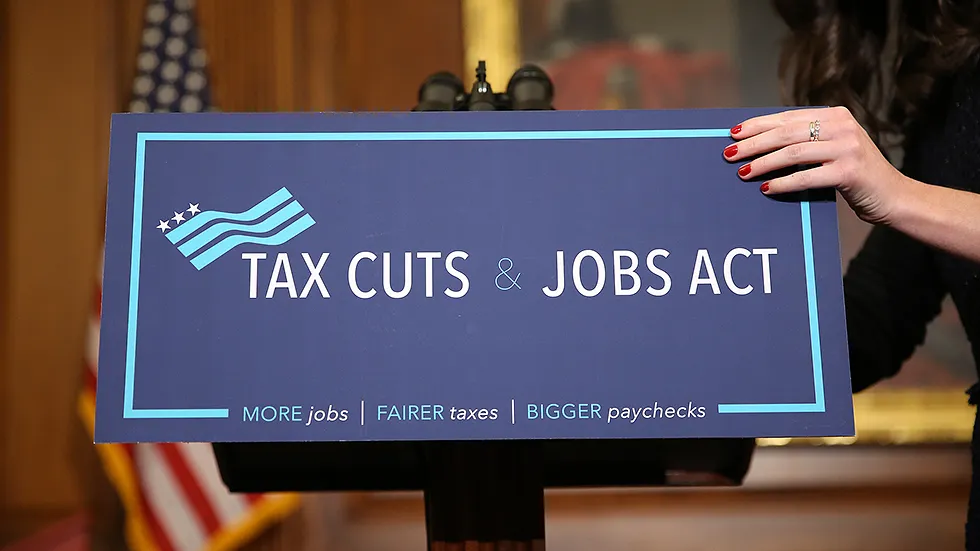
In 2017, the Tax Cuts and Jobs Act (TCJA), a main policy of the Trump administration, was meant to bring great economic growth. However, after a few years, it was clear which groups received the greatest gain from NCLB. Though there were a few changes for general taxpayers, independent research shows that specific groups are gaining an unequal share of benefits.

These are 5 important facts about which groups received the biggest advantages from the Trump tax cuts:

1. The Wealthiest Households Saw the Largest Gains

It is clear from much research that the biggest benefits of tax cuts went to wealthier households. Both the Tax Policy Center and the Center on Budget and Policy Priorities (CBPP) have demonstrated that the best-paid 1% and 0.1% received greater benefits in after-tax income than everyone else. Though some suggest that every tax cut helps, the enormous gains at the top clearly show a big change in wealth.

2. Corporations Were Major Beneficiaries

The reduction of corporate income tax rates from 35 percent to 21 percent was a major hallmark of this new legislation. It had especially great advantages for companies in large-scale operations. The argument that such cuts would lead to investments, create jobs, and make everything “trickle down” to the worker in terms of wages was widely disseminated. However, evidence shows that the high amounts saved by corporations have not been invested in viable, widespread increases in wages for the typical employee but rather channeled to stock buybacks, dividends, and executive pay.

3. Modest, But Not Transformative, Benefits for Working Families

While many working- and middle-income families did see a reduction in their tax liability, the actual dollar amounts and the percentage increases in after-tax income were often far more modest when compared to the gains of the wealthy. For many, the increased standard deduction and expanded Child Tax Credit offered some relief, but these benefits were often overshadowed by other economic factors and did not lead to the transformative financial improvements that some proponents had suggested for the majority of American households.

4. Limited “Trickle-Down” to Wages for Average Workers

The promise that corporate tax cuts would translate into significant wage growth for average workers has largely not materialized as robustly as predicted. While some companies did announce bonuses or limited wage increases, comprehensive analyses from groups like the Economic Policy Institute (EPI) found little evidence of a widespread, sustained acceleration in wage growth directly attributable to the corporate tax cuts. The benefits seemed to concentrate at the top of the corporate ladder, with limited impact on the broader workforce.

5. Long-Term Fiscal Impact and Potential Trade-offs

We also should pay attention to how the impact of these tax cuts was felt on a larger scale. Thanks to the TCJA, the government’s income went down and the national debt expanded. Rising expenditure in the future may limit the government’s ability to provide funding for social programs, create new infrastructure, or ensure other important services. People are still having arguments about if the funds used for tax cuts brought enough financial gain to make up for the debt and unfair sharing of wealth.

Although the Trump tax cuts did help many Americans, if you examine them carefully, you will find that most benefits went to those with the highest incomes and corporations, keeping the discussion about economic equity alive.


About Ezekiel Chew​

Ezekiel Chew, founder and head of training at Asia Forex Mentor, is a renowned forex expert, frequently invited to speak at major industry events. Known for his deep market insights, Ezekiel is one of the top traders committed to supporting the trading community. Making six figures per trade, he also trains traders working in banks, fund management, and prop trading firms.

Bollinger Bands Trading Strategy and How to Trade Like Pros

Hey, what’s up guys, traders. It’s Ezekiel Chew here. Let me hit you with this. Most traders think they know how to use Bollinger Bands, but the Bands are actually the reason they keep blowing trades. They chase breakouts after the move is already gone. They short reversals before the

Read More

Reversal Trading Strategy: How Market Reversals Really Happen

Hey, what’s up guys, traders. It’s Ezekiel Chew here. Let me hit you with this. Most traders think they are catching reversals, but in reality, they are catching traps. The market does not reverse randomly. It reverses when smart money sweeps liquidity, traps traders, and flips the move while retail

Read More

VWAP Trading Strategy and How Pros Use VWAP

Hey, what’s up guys? It’s Ezekiel Chew here. So let me hit you with this. If you’ve ever taken what felt like a perfect trade, only to watch price reverse the moment you enter, boom, that’s not bad luck. That’s you trading right into institutional zones. Most traders chase candles.

Read More

What Is Volume Profile Trading for Sniper Entries?

Hey, what’s up, traders! It’s Ezekiel Chew here, and today we’re going to talk about volume profile, one of the most powerful trading strategies that can make or break your success in the markets. Let me hit you with this: Most traders lose not because their strategy is broken, but

Read More

Maunto Review – Latest 2026 Review by Traders

            OPEN AN ACCOUNT             Maunto Review Maunto is an all-in-one online trading tool that lets you trade forex, commodities, indices, stocks, and other financial instruments and more about forex trading. Maunto is made to suit both new and expert traders,

Read More

AFM Trading Summit Live

Date: Coming Soon

Join us at the AFM Trading Summit Live and learn from top industry experts through live trading sessions, market insights, and actionable strategies.

They Don’t Want You to Know: 5 Hidden Winners of the Trump Tax Cuts!

4.0
Overall Trust Index

Written by:

Updated:

May 21, 2025
In 2017, the Tax Cuts and Jobs Act (TCJA), a main policy of the Trump administration, was meant to bring great economic growth. However, after a few years, it was clear which groups received the greatest gain from NCLB. Though there were a few changes for general taxpayers, independent research shows that specific groups are gaining an unequal share of benefits. These are 5 important facts about which groups received the biggest advantages from the Trump tax cuts:

1. The Wealthiest Households Saw the Largest Gains

It is clear from much research that the biggest benefits of tax cuts went to wealthier households. Both the Tax Policy Center and the Center on Budget and Policy Priorities (CBPP) have demonstrated that the best-paid 1% and 0.1% received greater benefits in after-tax income than everyone else. Though some suggest that every tax cut helps, the enormous gains at the top clearly show a big change in wealth.

2. Corporations Were Major Beneficiaries

The reduction of corporate income tax rates from 35 percent to 21 percent was a major hallmark of this new legislation. It had especially great advantages for companies in large-scale operations. The argument that such cuts would lead to investments, create jobs, and make everything "trickle down" to the worker in terms of wages was widely disseminated. However, evidence shows that the high amounts saved by corporations have not been invested in viable, widespread increases in wages for the typical employee but rather channeled to stock buybacks, dividends, and executive pay.

3. Modest, But Not Transformative, Benefits for Working Families

While many working- and middle-income families did see a reduction in their tax liability, the actual dollar amounts and the percentage increases in after-tax income were often far more modest when compared to the gains of the wealthy. For many, the increased standard deduction and expanded Child Tax Credit offered some relief, but these benefits were often overshadowed by other economic factors and did not lead to the transformative financial improvements that some proponents had suggested for the majority of American households.

4. Limited "Trickle-Down" to Wages for Average Workers

The promise that corporate tax cuts would translate into significant wage growth for average workers has largely not materialized as robustly as predicted. While some companies did announce bonuses or limited wage increases, comprehensive analyses from groups like the Economic Policy Institute (EPI) found little evidence of a widespread, sustained acceleration in wage growth directly attributable to the corporate tax cuts. The benefits seemed to concentrate at the top of the corporate ladder, with limited impact on the broader workforce.

5. Long-Term Fiscal Impact and Potential Trade-offs

We also should pay attention to how the impact of these tax cuts was felt on a larger scale. Thanks to the TCJA, the government’s income went down and the national debt expanded. Rising expenditure in the future may limit the government’s ability to provide funding for social programs, create new infrastructure, or ensure other important services. People are still having arguments about if the funds used for tax cuts brought enough financial gain to make up for the debt and unfair sharing of wealth. Although the Trump tax cuts did help many Americans, if you examine them carefully, you will find that most benefits went to those with the highest incomes and corporations, keeping the discussion about economic equity alive.

ezekiel chew asiaforexmentor

About Ezekiel Chew

Ezekiel Chew, founder and head of training at Asia Forex Mentor, is a renowned forex expert, frequently invited to speak at major industry events. Known for his deep market insights, Ezekiel is one of the top traders committed to supporting the trading community. Making six figures per trade, he also trains traders working in banks, fund management, and prop trading firms.

RELATED ARTICLES

They Don’t Want You to Know: 5 Hidden Winners of the Trump Tax Cuts!

4.0
Overall Trust Index

Written by:

Updated:

May 21, 2025
In 2017, the Tax Cuts and Jobs Act (TCJA), a main policy of the Trump administration, was meant to bring great economic growth. However, after a few years, it was clear which groups received the greatest gain from NCLB. Though there were a few changes for general taxpayers, independent research shows that specific groups are gaining an unequal share of benefits. These are 5 important facts about which groups received the biggest advantages from the Trump tax cuts:

1. The Wealthiest Households Saw the Largest Gains

It is clear from much research that the biggest benefits of tax cuts went to wealthier households. Both the Tax Policy Center and the Center on Budget and Policy Priorities (CBPP) have demonstrated that the best-paid 1% and 0.1% received greater benefits in after-tax income than everyone else. Though some suggest that every tax cut helps, the enormous gains at the top clearly show a big change in wealth.

2. Corporations Were Major Beneficiaries

The reduction of corporate income tax rates from 35 percent to 21 percent was a major hallmark of this new legislation. It had especially great advantages for companies in large-scale operations. The argument that such cuts would lead to investments, create jobs, and make everything "trickle down" to the worker in terms of wages was widely disseminated. However, evidence shows that the high amounts saved by corporations have not been invested in viable, widespread increases in wages for the typical employee but rather channeled to stock buybacks, dividends, and executive pay.

3. Modest, But Not Transformative, Benefits for Working Families

While many working- and middle-income families did see a reduction in their tax liability, the actual dollar amounts and the percentage increases in after-tax income were often far more modest when compared to the gains of the wealthy. For many, the increased standard deduction and expanded Child Tax Credit offered some relief, but these benefits were often overshadowed by other economic factors and did not lead to the transformative financial improvements that some proponents had suggested for the majority of American households.

4. Limited "Trickle-Down" to Wages for Average Workers

The promise that corporate tax cuts would translate into significant wage growth for average workers has largely not materialized as robustly as predicted. While some companies did announce bonuses or limited wage increases, comprehensive analyses from groups like the Economic Policy Institute (EPI) found little evidence of a widespread, sustained acceleration in wage growth directly attributable to the corporate tax cuts. The benefits seemed to concentrate at the top of the corporate ladder, with limited impact on the broader workforce.

5. Long-Term Fiscal Impact and Potential Trade-offs

We also should pay attention to how the impact of these tax cuts was felt on a larger scale. Thanks to the TCJA, the government’s income went down and the national debt expanded. Rising expenditure in the future may limit the government’s ability to provide funding for social programs, create new infrastructure, or ensure other important services. People are still having arguments about if the funds used for tax cuts brought enough financial gain to make up for the debt and unfair sharing of wealth. Although the Trump tax cuts did help many Americans, if you examine them carefully, you will find that most benefits went to those with the highest incomes and corporations, keeping the discussion about economic equity alive.

ezekiel chew asiaforexmentor

About Ezekiel Chew

Ezekiel Chew, founder and head of training at Asia Forex Mentor, is a renowned forex expert, frequently invited to speak at major industry events. Known for his deep market insights, Ezekiel is one of the top traders committed to supporting the trading community. Making six figures per trade, he also trains traders working in banks, fund management, and prop trading firms.

RELATED ARTICLES

I consent to receiving emails and/or text message reminders for this event.

REGISTER FOR THE MASTERCLASS!