Learn To Trade Forex • Best Forex Trading Course • AsiaForexMentor

 English
 简体中文
简体中文 繁體中文
繁體中文 日本語
日本語 한국어
한국어 Bahasa Melayu
 Bahasa Indonesia
 Filipino
 ไทย
ไทย Tiếng Việt
 हिन्दी
 العربية
 Italiano
 Português
 Русский
 Español
 Français
- Best Forex BrokersRaw spreads, ECN execution and regulation — tested on live accounts.Best Stock BrokersCommissions, market access and platform depth, compared.Best Prop FirmsFunding rules, drawdown limits and real payout records.Best Crypto BrokersFees, custody and coin coverage across the major exchanges.AFM Top Pick
Every other site ranks ten brokers. We rank one — and show you exactly why.
See the #1 pick → - Articles
- Awards
- Events
- Newsletter
 Singapore
 Cambodia
 Myanmar
 Brunei
 Australia
  New Zealand
 Switzerland
 UAE
UAE United States
 Mexico
 Argentina
 South Africa
 IC Markets
 Pepperstone
 AvaTrade
 XM
XM Plus500
 RoboForex
 TMGM
TMGM Exness
 JustMarkets
 Orbex
Orbex Interactive Brokers
 Saxo
Saxo Tiger Brokers
 Binance
 Coinbase
 Gemini Exchange
 Kraken
 iFunds
 IC Funded
 The 5%ers
 TopStep
 IQ Option
 Pocket Option
 RaceOption
 IQCent
Angel One Review 2026
Angel One stands out as a SEBI-registered stock broker with a long-running registration record (INZ000161534), which is a key trust marker when choosing a broker for exchange-based trading and investing. That foundation matters because it signals the broker operates under a formal regulatory framework, not a loose offshore structure. For most users, the practical value comes from the mix of platform tools and published cost details.
Risk warning: your capital is at risk. Forex and CFDs carry the potential for gains, but statistically only 11–25% of traders profit while 74–89% lose their investment. AFM earns a commission if you open an account through our links — it never changes how we score a broker.
- Low advertised brokerage offers
- Transparent pricing references
- Brokerage calculator available
- Automation and integration via SmartAPI
- Formal complaint path explained
- Subscription plans for trading benefits
- ₹0 brokerage is not universal
- Minimum brokerage can apply
- Non-brokerage costs still apply
- Subscription plans have limits
- Complaint systems can be slow in practice
- This review was written by the Asia Forex Mentor team and has been reformatted into our current layout. The analysis below is our earlier work on Angel One, presented more clearly.
- It has not been re-verified against Angel One’s current published terms. Spreads, fees, leverage caps and account rules change, and so does the legal entity that serves a given country.
- Treat every figure here as a starting point for your own checks rather than a live quote.
- Before depositing, confirm the details on Angel One’s own site — above all, which company your client agreement names. That determines your regulator, your protections and who you can complain to.
- The score shown is Asia Forex Mentor’s own published rating for Angel One, carried over from this article and expressed out of 10. It reflects our earlier assessment, not a fresh re-scoring.
Reformatted September 2026. The details in this review have not been independently re-verified since it was written, so check Angel One’s own site before acting on anything here. Spotted something out of date? Tell us.

Ezekiel has traded foreign exchange for over two decades and built the One Core Program, the trading curriculum Asia Forex Mentor teaches to retail and institutional traders across Asia. He sets the scoring criteria these broker reviews are graded against.
On this page
- Angel One Review
- What is Angel One?
- Benefits of Trading with Angel One
- Angel One Regulation and Safety
- Angel One Customer Reviews
- Account Types
- Angel One Trading Platforms
- What Can You Trade on Angel One
- Angel One Customer Support
- Withdrawal Options and Fees
- Conclusion: Angel One Review
- FAQs
- Verdict
Angel One Review
Angel One is a major retail brokerage and investing platform that offers online trading across products like stocks, ETFs, mutual funds, commodities, IPOs, and derivatives, with access through both its mobile app and web platform. This Angel One review focuses on what most people actually care about before opening an account: fees, platform usability, and whether the tools are genuinely helpful for day to day trading and investing. Angel One promotes features like basket orders, GTT orders, advanced charts, and SmartAPI, which are positioned as productivity tools for active users. Costs matter, so this review will also cover brokerage charges and how pricing works across delivery, intraday, and F&O, including any published pricing updates. Charges and promos can change over time, so the official pricing and charge pages are treated as the main reference points. Finally, the review looks at Angel One’s in-platform decision support like ARQ Prime and its learning and education content, since these can influence how easy it is for newer traders to avoid common mistakes. If these features are more marketing than value, that will be called out clearly in the relevant sections.
What is Angel One?
Angel One is an online broker and investing platform that lets individuals buy and sell market products using a mobile app or web platform. It positions itself as a retail, full service brokerage with trading and investing access in one place. For most users, Angel One is mainly used to open a Demat account and place trades or investments across stocks, ETFs, mutual funds, commodities, and derivatives like Futures and Options. The platform also highlights other product access such as currencies and bonds, depending on what is available inside the account. On the tools side, Angel One markets its trading app as feature rich, with items like basket orders, GTT orders, advanced charts, watchlists, and an option chain for active traders. This matters because the real daily experience is usually decided by how fast and clean the platform is when placing and managing orders. For users who want automation or integration, Angel One offers SmartAPI, which is designed for strategy execution and market data access through APIs. This is more relevant for developers, systematic traders, or teams building custom trading workflows. From a compliance angle, Angel One is SEBI-registered under registration number INZ000161534, which is a key legitimacy check when evaluating any broker. Verifying this type of registration helps confirm the firm is listed in the official regulator database. 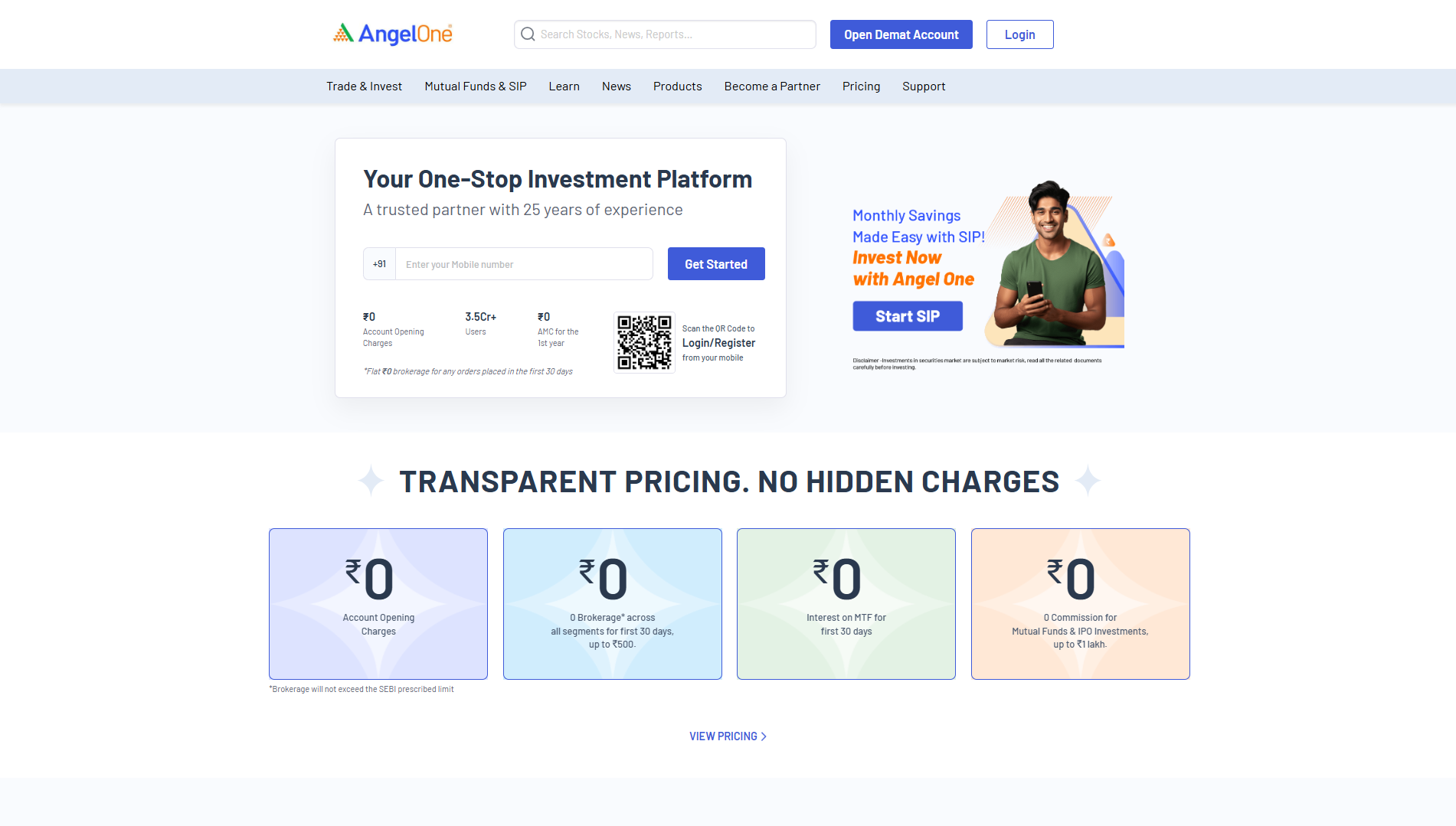
Benefits of Trading with Angel One
One big benefit of trading with Angel One is its focus on low brokerage and clearer pricing, which can matter a lot for active traders who place frequent orders. Angel One highlights offers like ₹0 brokerage on stock investing for certain plans or periods, and it also publishes detailed pages for brokerage and exchange related charges so costs are easier to verify. Another advantage is convenience through the Angel One app and web platform, which are built for trading and investing from one account. The platform pages promote features like advanced charts and modern order workflows aimed at making everyday trading less time consuming. For traders who want faster execution and cleaner trade management, Angel One supports tools like basket orders and GTT orders. Basket orders help place multiple orders together, while GTT is designed to send an order to the exchange only when a selected trigger price is met, which is useful for planned entries without watching the screen all day. Options traders may also like that the app promotes an options chain experience built for quick switching between charts, orders, and chain data. Angel One’s own app guidance mentions access to key metrics like open interest and Greeks, which are essential for options decisions. If the goal is to use extra decision support, Angel One also promotes ARQ Prime, described as a rule based investment engine meant to guide stock selection more systematically. This can appeal to newer users who want structured ideas, though it is still important to validate any suggestion with personal risk tolerance and portfolio goals. Lastly, for users who want automation or custom workflows, Angel One promotes SmartAPI as a way to integrate trading functions through APIs. This is a practical benefit for developers or systematic traders who prefer building rule based execution rather than placing every trade manually. 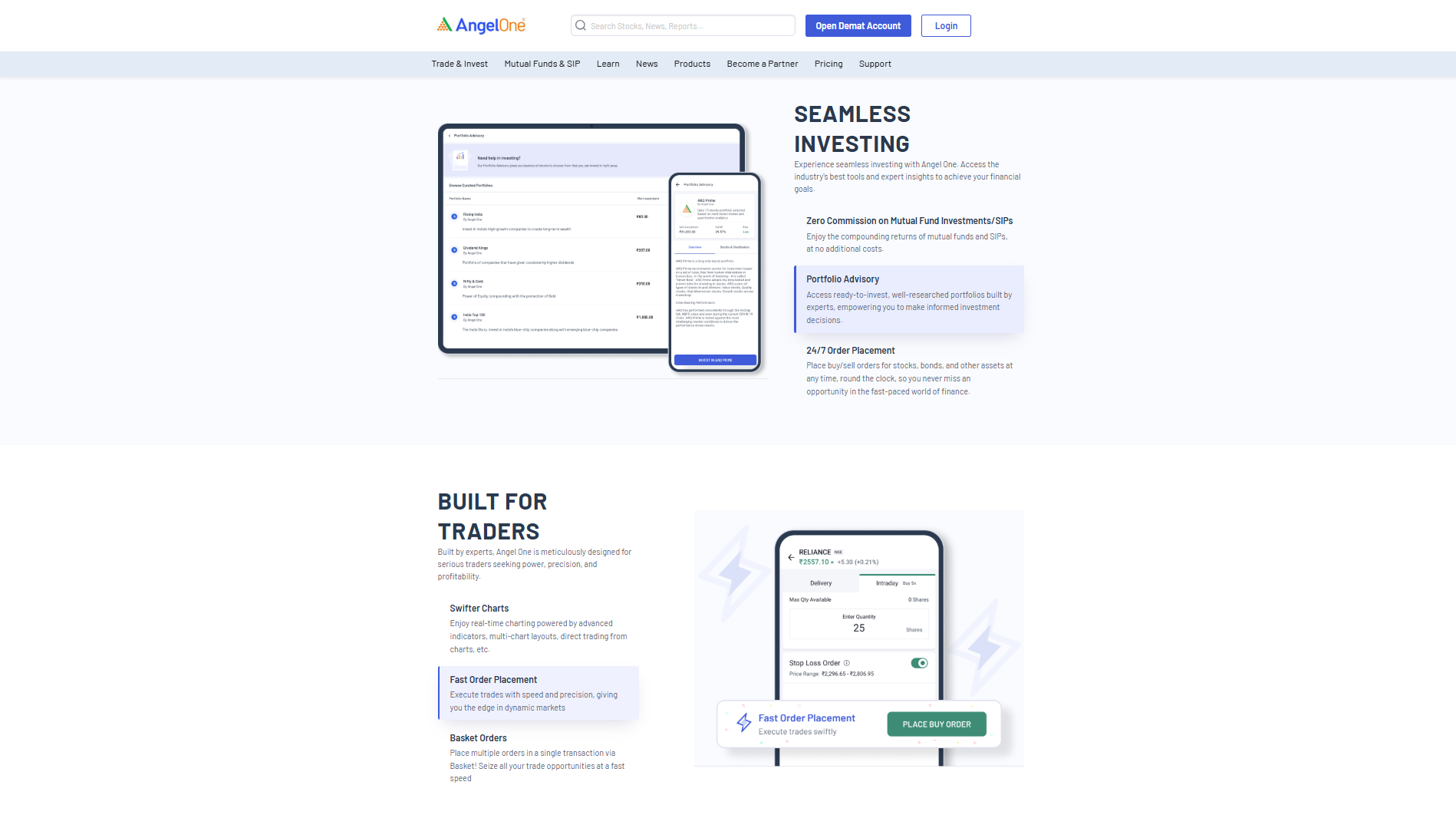
Angel One Regulation and Safety
Angel One’s regulation and safety profile starts with its status as a SEBI-registered stock broker under registration number INZ000161534, shown in SEBI’s intermediary records. This matters because SEBI registration is the baseline check that a broker is recognized and supervised under the securities market framework. On the market access side, Angel One publicly lists its memberships across major exchanges and segments such as BSE and NSE, plus commodities venues like MCX and NCDEX. Seeing these stated memberships helps confirm the broker operates through recognized market infrastructure instead of routing trades through unclear third parties. For Demat safety, Angel One also discloses depository participation details, including its CDSL registration information, which is relevant because Demat holdings are maintained through the depository system rather than sitting inside the trading app itself. CDSL’s published DP list also includes Angel Broking Limited, which is tied to Angel One’s legacy naming history and supports that depository participation is not just a marketing claim. If a problem happens, the key safety net is having a clear complaint path. Angel One provides guidance on filing complaints through SEBI SCORES, which is SEBI’s official online grievance platform, and this route is important because it creates a structured escalation channel when internal support fails. A practical safety point is scam risk, not just regulation. Angel One has published warnings about deceptive misuse of its name and registered address, which is a reminder to verify official domains, avoid random links, and confirm any communication through the broker’s published channels.
Angel One Customer Reviews
Angel One customer reviews are mixed, and the clearest signal comes from third party feedback on Trustpilot. On Trustpilot, the profile for angelone.in shows a Poor rating of 2.6 with 5 reviews, while the older angelbroking.com listing shows 2.3 with 7 reviews, so the sample size is small and can swing quickly. When reading the most common negative comments, the repeated themes include customer support issues, account access problems, and frustration during time sensitive trading moments. Some reviewers also describe being unable to access funds or having trades blocked, which is the kind of complaint that deserves extra caution and verification before funding an account heavily. There are also positive reviews, but they appear less frequent on these Trustpilot pages. The most common praise focuses on the platform feeling advanced and feature rich, including web and app experience, though these are individual opinions and not guaranteed outcomes. One important detail in Trustpilot reviews is that a few posts warn about scams using similar names or lookalike sites, and that can confuse people searching for “Angel One reviews.” Angel One has published its own warning that third parties have wrongfully used its name and address to mislead the public, so it is smart to double check the official website and avoid random links. 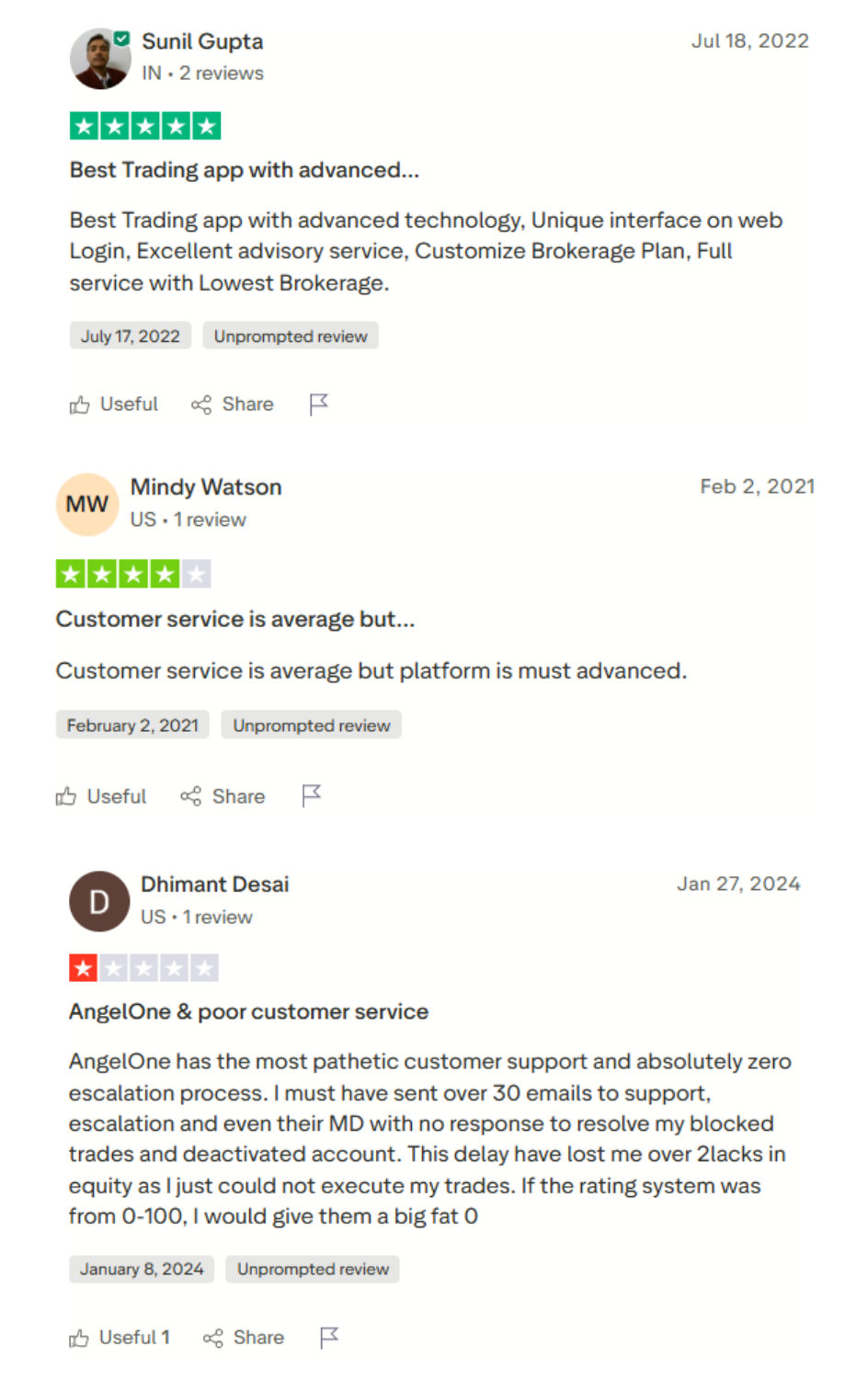
Account Types
Regular Demat Account
- Holds shares and other securities in electronic form, and supports common Demat functions like transfers and pledging.
BSDA Demat Account
- A basic Demat category designed for eligible investors who want a simpler, lower-cost holding setup compared to a regular Demat.
2-in-1 Account (Trading + Demat)
- Combines a trading account and Demat account so buying and selling, and crediting securities to Demat, is more seamless.
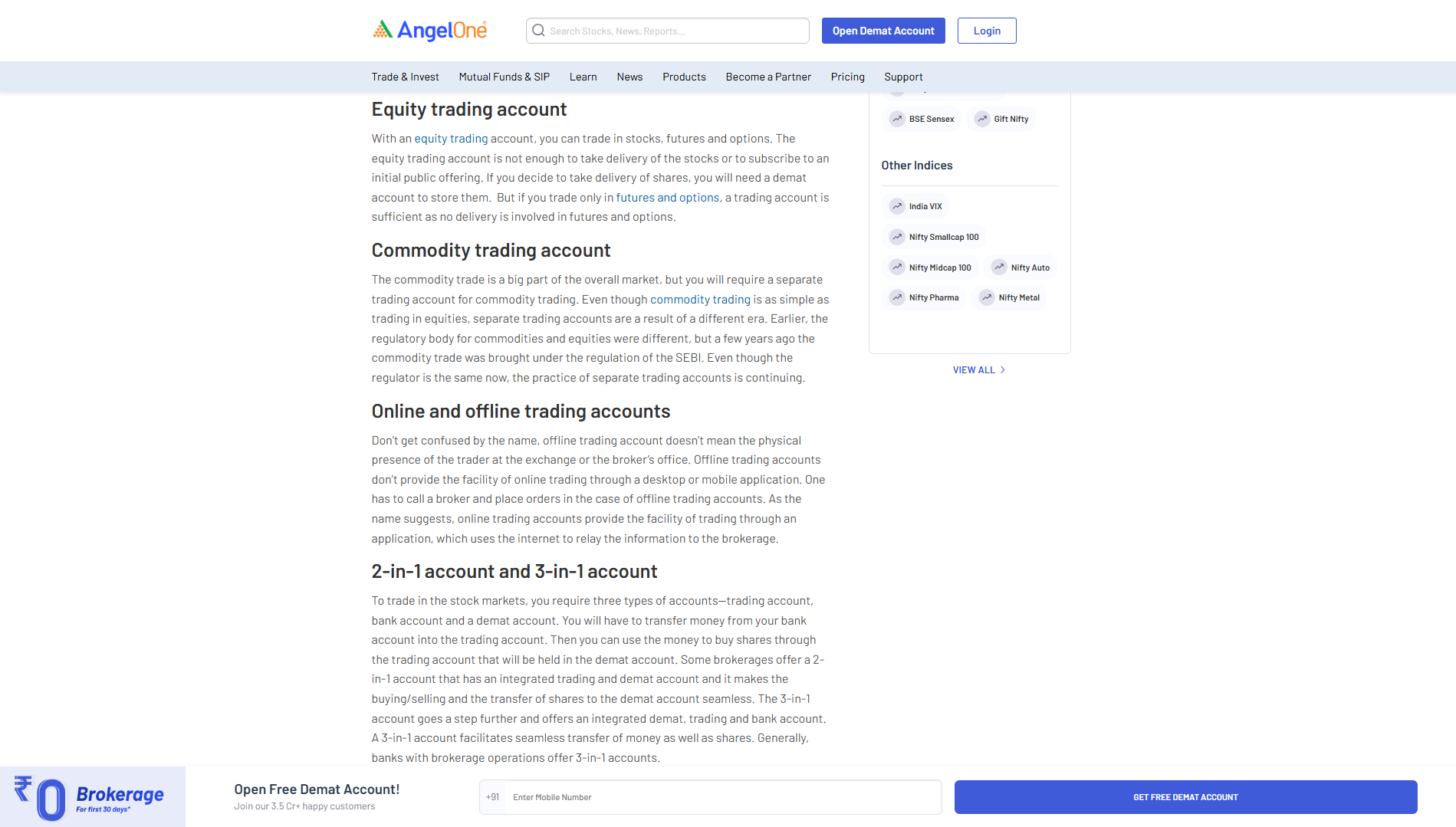
Equity Trading Account
- Used for buying and selling market securities, including futures and options, but it is positioned as not meant for everything like IPO applications or commodity trading.
Commodity Trading Account
- Enables trading in commodities such as metals and energy products through the commodity segment.
Online Trading Account
- Lets orders be placed through a mobile app or web platform for faster self-directed execution.
Offline Trading Account
- Supports placing orders through offline methods like phone-based dealing, which some users prefer for assistance-based execution.
NRE Demat Account (Repatriable)
- Built for NRI investors using repatriable funds, typically linked with NRE banking, for investments meant to be transferable abroad.
NRO Demat Account (Non-repatriable)
- Built for NRI investors using non-repatriable funds, typically linked with NRO banking, for investments generally meant to remain within the domestic financial system.
NRI Trading Account (NRE or NRO Trading)
- A separate trading account required for NRIs, used alongside the NRE or NRO setup to place trades through exchanges.
Angel One Trading Platforms
Angel One trading platforms are built around two main ways to trade: a web trading platform for desktop style use, and a mobile trading app for trading on the go. This matters because many people search for “Angel One trading platform” to know if the tools are good enough for fast execution, charting, and order control. For web users, Angel One highlights its web trading experience with tools like charts, an options chain, multiple watchlists, portfolio view, and smooth order placement. It also mentions access to integrated third party tools like smallcase, Sensibull, Vested, and Streak inside the platform ecosystem, which can be useful if those products are already part of the workflow. For mobile users, Angel One promotes its “Super App” as the primary trading app, covering common order types like market, limit, stop loss, and GTT. The app also supports TradingView chart formats and is positioned as an all in one place to trade and track investments. If the goal is advanced order execution, Angel One supports Basket Orders, which lets multiple orders be placed together in a single action. This is helpful for traders who execute multi-leg ideas or want quicker entries without manually placing each order one by one. For automation, Angel One offers SmartAPI, which is designed for algorithmic trading and real time market data access. This platform is more relevant for developers or systematic traders who want API-based order execution and monitoring instead of purely manual trading.
What Can You Trade on Angel One
Angel One is built to handle most common market products from one account, so it can work for both investing and active trading. The exact availability can depend on account setup and enabled segments, but Angel One’s own pages highlight a wide set of instruments that can be accessed through its platform. If the goal is stock market participation, Angel One supports equities, which covers buying and selling shares, and also ETFs, which trade on exchanges like stocks. This is usually the starting point for most beginners because it is easy to understand and track. For more advanced trading, Angel One also mentions access to derivatives, including Futures and Options, which are commonly used for hedging and leveraged trading. Derivatives typically require extra checks such as financial proof, so it is not always a one-click add-on for every new account. If diversification is the goal, Angel One also highlights mutual funds and IPOs as available instruments through a single platform experience. These are generally used more for longer-term investing rather than fast in-and-out trading. Angel One also references commodities and currency trading as supported segments for users who want exposure beyond stocks. These products are typically used by more active traders because price moves can be faster and margin rules can be stricter.
Angel One Customer Support
Angel One customer support is centered around official help resources plus direct support channels for account, trading, and platform issues. For anyone searching “Angel One customer support,” the key point is that Angel One publishes a dedicated Contact Us page with named support roles, working hours, and escalation contacts, which makes it easier to follow a clear path when something needs to be fixed. For everyday concerns, Angel One pushes users toward its Support hub, which covers common problems like order rejection, funds, bank updates, and account changes through step by step help articles. This is useful because many issues can be resolved faster through guided troubleshooting instead of waiting in a queue. If a request needs escalation, Angel One also publishes an escalation matrix, including a listed Grievance Redressal Officer and compliance contact details. This is important because it creates a formal process when normal support responses are slow or unclear. From a safety and accountability angle, Angel One also points users to formal grievance routes and investor protection expectations through its published investor charter and its SCORES guidance. That matters because strong support is not just about replies, it is about having a reliable escalation framework when a dispute is serious. 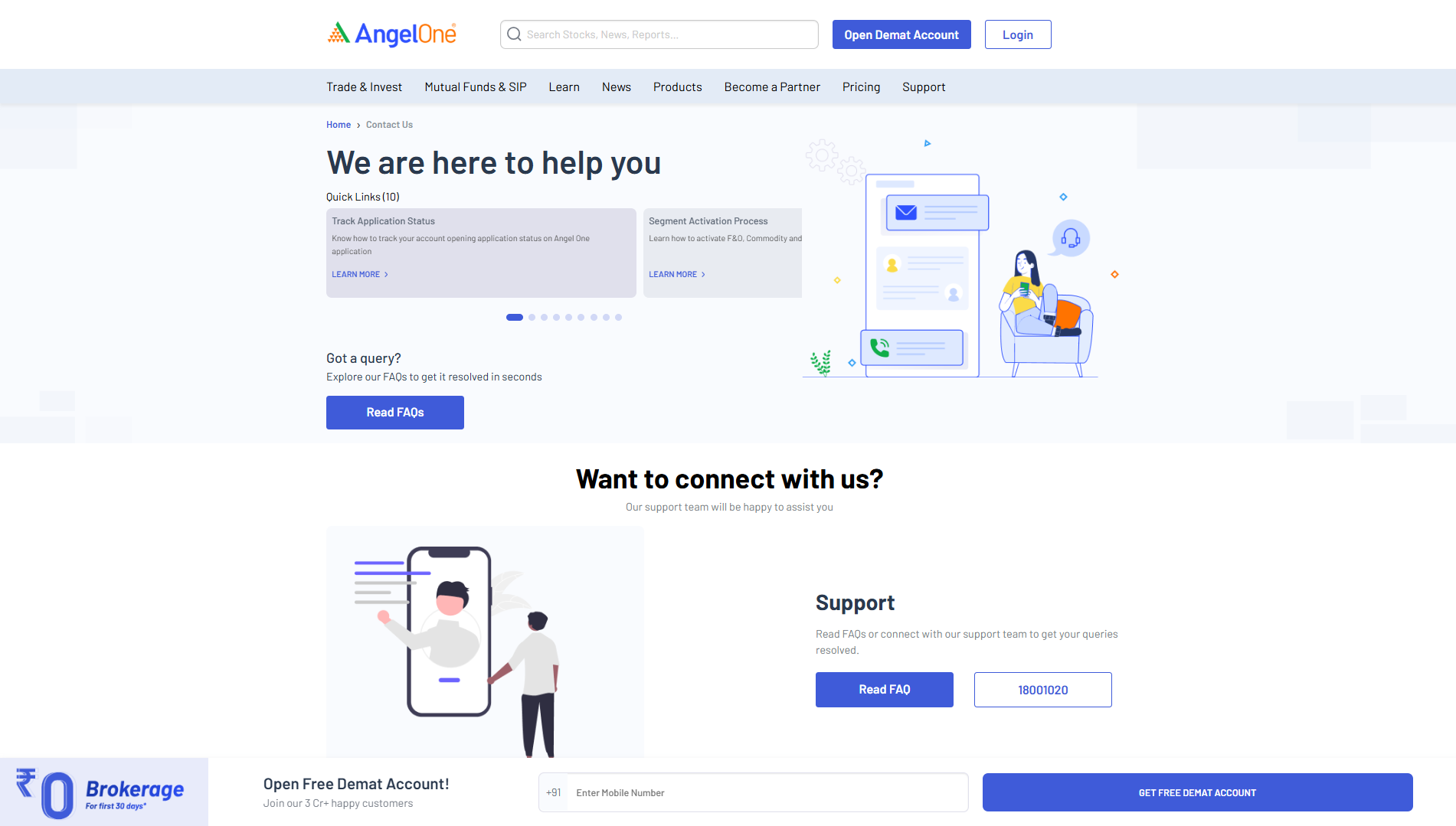
Withdrawal Options and Fees
With Angel One, withdrawals usually work through a fund payout process, meaning money moves from the trading account to the registered bank account linked to the account. The amount that can be taken out depends on the withdrawable balance, which can be lower than the trading balance when funds are unsettled or tied to margin needs. Angel One shows a clear payout schedule for regular withdrawals. On working days, payout requests placed from 12:00 am to 07:00 am are credited by about 11:30 am the same day, and requests placed from 07:00 am to 05:30 pm are credited by about 11:30 pm the same day. For people who need money faster, Angel One also promotes an instant withdrawal option up to ₹1 lakh during a defined window. The same Angel One post also claims no fees for this instant withdrawal feature, which is a strong benefit if it matches actual eligibility and usage rules. Withdrawals can be reduced or rejected if there are open positions, new trades placed after the request, margin requirements, or pending charges. Angel One’s support notes that this can lead to partial payouts, so it is smart to check the withdrawal status in the app if the credited amount is lower than expected.
Conclusion: Angel One Review
Angel One stands out as a SEBI-registered stock broker with a long-running registration record (INZ000161534), which is a key trust marker when choosing a broker for exchange-based trading and investing. That foundation matters because it signals the broker operates under a formal regulatory framework, not a loose offshore structure. For most users, the practical value comes from the mix of platform tools and published cost details. Angel One highlights features like basket orders, GTT-style order automation, and SmartAPI, while also keeping brokerage and transaction charge information on official pages for easier verification. On money movement, Angel One’s support pages explain payout timing rules and common reasons withdrawals fail, such as settlement timelines and same-day deposit limits. It also promotes an instant withdrawal feature up to ₹1 lakh with a no-fee claim, which can be useful when eligibility conditions are met. The biggest decision point is fit. Angel One makes the most sense for people who want exchange-traded investing and trading through a regulated broker with a modern app stack, and who are comfortable checking the fine print on charges, segments, and support processes before going fully active.
Angel One Review FAQs
Is Angel One regulated and safe to use?
Yes, Angel One is a SEBI-registered stock broker, and SEBI’s intermediary records list its registration number as INZ000161534 with validity shown as “Perpetual.” This is an important baseline check because it confirms the broker is under formal market supervision.
What brokerage does Angel One charge?
Angel One’s pricing page states ₹0 brokerage up to ₹500 for the first 30 days across equity delivery, intraday, and F&O, and then standard brokerage applies after that period. The same page also notes the post-offer pricing logic, like “lower of ₹20 or 0.1% per executed order” for some segments, so it is worth checking the latest published charges before trading actively.
How do withdrawals work and are there fees?
Angel One’s support page publishes a payout schedule showing when funds are credited based on the withdrawal request time, including same-day credits for certain weekday windows. Angel One also promotes an instant withdrawal feature up to ₹1 lakh and claims no fees for that feature, but eligibility and timing rules still apply. OPEN AN ACCOUNT NOW WITH ANGEL ONE AND GET YOUR BONUS
The verdict on Angel One
Angel One stands out as a SEBI-registered stock broker with a long-running registration record (INZ000161534), which is a key trust marker when choosing a broker for exchange-based trading and investing. That foundation matters because it signals the broker operates under a formal regulatory framework, not a loose offshore structure. For most users, the practical value comes from the mix of platform tools and published cost details.
More stock brokers we’ve reviewed

