Learn To Trade Forex • Best Forex Trading Course • AsiaForexMentor

Your Money Is at Risk 5 Factors Crushing the US Dollar

Written by

Ezekiel Chew

Updated on

January 2, 2026

i
Its a default text

Your Money Is at Risk 5 Factors Crushing the US Dollar

Written by:

Last updated on:

January 2, 2026

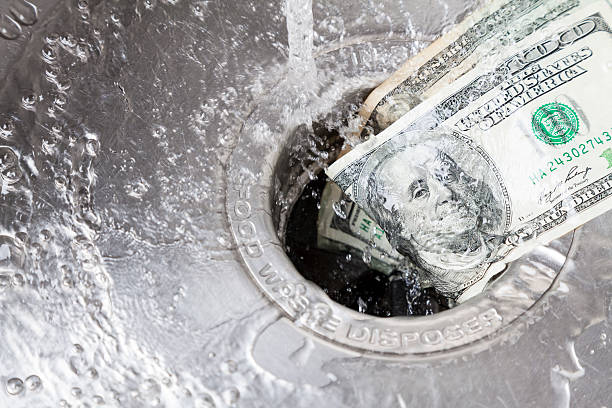
The U.S. dollar recently touched a six-week low, signaling growing concerns about the health of the world's largest economy. While global stock markets have shown some resilience amidst ongoing trade sagas, the greenback appears firmly on the defensive. What's weighing down the mighty dollar? Here are five crucial factors, as observed by market strategists, driving its recent slide.

1. Escalating Trade War Impacts on the U.S. Economy

The primary culprit behind the dollar's recent weakness is the escalating trade war waged by President Donald Trump's administration. Signs of fragility are emerging across the U.S. economy as a direct consequence. This includes a looming doubling of U.S. duties on imported steel and aluminum to 50% starting Wednesday, which is set to further strain trade relations and economic stability.

2. Weakening U.S. Manufacturing and Jobs Data

Hard economic data is beginning to reflect the toll of trade uncertainty. U.S. manufacturing activity has contracted for a third consecutive month in May, a clear red flag. Furthermore, tariff-related snarls mean suppliers are taking longer to deliver goods, adding to economic friction. Market observers are now keenly awaiting upcoming factory order numbers and crucial jobs figures for further signs of economic strain.

3. Persistent Global Trade Tensions and Unresolved Disputes

Despite occasional glimmers of hope, the overall dynamic suggests that trade tensions are not truly improving. Financial strategists note that the dollar is “getting hammered widely” as trade disputes persist. Recent angry rejections from China's Commerce Ministry regarding U.S. accusations of trade agreement violations underscore the ongoing and unresolved nature of these global conflicts.

4. Mounting Fiscal Worries and the “Sell America” Theme

Beyond trade, domestic fiscal concerns are also contributing to the dollar's woes. A broad “sell America” theme has emerged, leading to a recent drop in dollar-denominated assets, including U.S. stocks and Treasury bonds. These worries are amplified by the Senate's consideration of a new tax cut and spending bill, projected to add an estimated $3.8 trillion to the federal government's already substantial $36.2 trillion debt over the next decade.

5. Ongoing Uncertainty in Trade Negotiations

The on-again, off-again nature of President Trump's tariff threats and the protracted trade negotiations create a climate of high uncertainty. While trade talks with the European Union recently got back on track, and a U.S. trade court initially blocked some tariffs, an appeals court quickly reinstated them. This seesawing legal and diplomatic battle leaves markets guessing and contributes to the dollar's instability, reflecting a lack of clear resolution in vital trade relationships.

The dollar's performance is clearly entangled in a complex web of trade disputes, economic data, and fiscal policy. As these factors continue to play out, market participants will be closely watching for any shifts that could dictate the greenback's next move.


About Ezekiel Chew​

Ezekiel Chew, founder and head of training at Asia Forex Mentor, is a renowned forex expert, frequently invited to speak at major industry events. Known for his deep market insights, Ezekiel is one of the top traders committed to supporting the trading community. Making six figures per trade, he also trains traders working in banks, fund management, and prop trading firms.

Why Keeping Crypto on Exchanges Could Cost You Everything

Risks of Storing Cryptocurrency on Centralized Exchanges Why a Lot of People Still Use Centralized Exchanges Centralized exchanges are still popular because they are easy to use. They offer a crypto exchange, storage, and access to fiat currency all in one place. Big companies advertise strong liquidity, easy onboarding, and

Read More

Stop Losing Money in Crypto: Analyze Projects the Smart Way

How to Analyze Cryptocurrency Projects Before Investing People can avoid hype, find weak ideas, and make wiser choices in a fast-moving crypto market if they learn how to examine cryptocurrency projects before investing. Because investing in cryptocurrencies is still very risky, it’s more important to do your study, analyze the

Read More

M1 Finance Review 2026 – REAL Traders Report

            OPEN AN ACCOUNT             M1 Finance Review M1 Finance is positioned as an all in one money platform that combines investing, cash management, and borrowing in a single app experience. On its official site, M1 highlights automated investing, commission-free investing

Read More

AFM Trading Summit Live

Date: Coming Soon

Join us at the AFM Trading Summit Live and learn from top industry experts through live trading sessions, market insights, and actionable strategies.

Your Money Is at Risk 5 Factors Crushing the US Dollar

4.0
Overall Trust Index

Written by:

Updated:

January 2, 2026
The U.S. dollar recently touched a six-week low, signaling growing concerns about the health of the world's largest economy. While global stock markets have shown some resilience amidst ongoing trade sagas, the greenback appears firmly on the defensive. What's weighing down the mighty dollar? Here are five crucial factors, as observed by market strategists, driving its recent slide.

1. Escalating Trade War Impacts on the U.S. Economy

The primary culprit behind the dollar's recent weakness is the escalating trade war waged by President Donald Trump's administration. Signs of fragility are emerging across the U.S. economy as a direct consequence. This includes a looming doubling of U.S. duties on imported steel and aluminum to 50% starting Wednesday, which is set to further strain trade relations and economic stability.

2. Weakening U.S. Manufacturing and Jobs Data

Hard economic data is beginning to reflect the toll of trade uncertainty. U.S. manufacturing activity has contracted for a third consecutive month in May, a clear red flag. Furthermore, tariff-related snarls mean suppliers are taking longer to deliver goods, adding to economic friction. Market observers are now keenly awaiting upcoming factory order numbers and crucial jobs figures for further signs of economic strain.

3. Persistent Global Trade Tensions and Unresolved Disputes

Despite occasional glimmers of hope, the overall dynamic suggests that trade tensions are not truly improving. Financial strategists note that the dollar is "getting hammered widely" as trade disputes persist. Recent angry rejections from China's Commerce Ministry regarding U.S. accusations of trade agreement violations underscore the ongoing and unresolved nature of these global conflicts.

4. Mounting Fiscal Worries and the "Sell America" Theme

Beyond trade, domestic fiscal concerns are also contributing to the dollar's woes. A broad "sell America" theme has emerged, leading to a recent drop in dollar-denominated assets, including U.S. stocks and Treasury bonds. These worries are amplified by the Senate's consideration of a new tax cut and spending bill, projected to add an estimated $3.8 trillion to the federal government's already substantial $36.2 trillion debt over the next decade.

5. Ongoing Uncertainty in Trade Negotiations

The on-again, off-again nature of President Trump's tariff threats and the protracted trade negotiations create a climate of high uncertainty. While trade talks with the European Union recently got back on track, and a U.S. trade court initially blocked some tariffs, an appeals court quickly reinstated them. This seesawing legal and diplomatic battle leaves markets guessing and contributes to the dollar's instability, reflecting a lack of clear resolution in vital trade relationships. The dollar's performance is clearly entangled in a complex web of trade disputes, economic data, and fiscal policy. As these factors continue to play out, market participants will be closely watching for any shifts that could dictate the greenback's next move.      
ezekiel chew asiaforexmentor

About Ezekiel Chew

Ezekiel Chew, founder and head of training at Asia Forex Mentor, is a renowned forex expert, frequently invited to speak at major industry events. Known for his deep market insights, Ezekiel is one of the top traders committed to supporting the trading community. Making six figures per trade, he also trains traders working in banks, fund management, and prop trading firms.

RELATED ARTICLES

Your Money Is at Risk 5 Factors Crushing the US Dollar

4.0
Overall Trust Index

Written by:

Updated:

January 2, 2026
The U.S. dollar recently touched a six-week low, signaling growing concerns about the health of the world's largest economy. While global stock markets have shown some resilience amidst ongoing trade sagas, the greenback appears firmly on the defensive. What's weighing down the mighty dollar? Here are five crucial factors, as observed by market strategists, driving its recent slide.

1. Escalating Trade War Impacts on the U.S. Economy

The primary culprit behind the dollar's recent weakness is the escalating trade war waged by President Donald Trump's administration. Signs of fragility are emerging across the U.S. economy as a direct consequence. This includes a looming doubling of U.S. duties on imported steel and aluminum to 50% starting Wednesday, which is set to further strain trade relations and economic stability.

2. Weakening U.S. Manufacturing and Jobs Data

Hard economic data is beginning to reflect the toll of trade uncertainty. U.S. manufacturing activity has contracted for a third consecutive month in May, a clear red flag. Furthermore, tariff-related snarls mean suppliers are taking longer to deliver goods, adding to economic friction. Market observers are now keenly awaiting upcoming factory order numbers and crucial jobs figures for further signs of economic strain.

3. Persistent Global Trade Tensions and Unresolved Disputes

Despite occasional glimmers of hope, the overall dynamic suggests that trade tensions are not truly improving. Financial strategists note that the dollar is "getting hammered widely" as trade disputes persist. Recent angry rejections from China's Commerce Ministry regarding U.S. accusations of trade agreement violations underscore the ongoing and unresolved nature of these global conflicts.

4. Mounting Fiscal Worries and the "Sell America" Theme

Beyond trade, domestic fiscal concerns are also contributing to the dollar's woes. A broad "sell America" theme has emerged, leading to a recent drop in dollar-denominated assets, including U.S. stocks and Treasury bonds. These worries are amplified by the Senate's consideration of a new tax cut and spending bill, projected to add an estimated $3.8 trillion to the federal government's already substantial $36.2 trillion debt over the next decade.

5. Ongoing Uncertainty in Trade Negotiations

The on-again, off-again nature of President Trump's tariff threats and the protracted trade negotiations create a climate of high uncertainty. While trade talks with the European Union recently got back on track, and a U.S. trade court initially blocked some tariffs, an appeals court quickly reinstated them. This seesawing legal and diplomatic battle leaves markets guessing and contributes to the dollar's instability, reflecting a lack of clear resolution in vital trade relationships. The dollar's performance is clearly entangled in a complex web of trade disputes, economic data, and fiscal policy. As these factors continue to play out, market participants will be closely watching for any shifts that could dictate the greenback's next move.      
ezekiel chew asiaforexmentor

About Ezekiel Chew

Ezekiel Chew, founder and head of training at Asia Forex Mentor, is a renowned forex expert, frequently invited to speak at major industry events. Known for his deep market insights, Ezekiel is one of the top traders committed to supporting the trading community. Making six figures per trade, he also trains traders working in banks, fund management, and prop trading firms.

RELATED ARTICLES

Join the Live Event
Get Your Free Ticket Now

I consent to receiving emails and/or text message reminders for this event.

REGISTER FOR THE MASTERCLASS!