Learn To Trade Forex • Best Forex Trading Course • AsiaForexMentor

Forex Trading and Market Sentiment: A Comprehensive Guide for Traders

Written by

Ezekiel Chew

Updated on

January 22, 2025

i

Forex Trading and Market Sentiment: A Comprehensive Guide for Traders

Written by:

Ezekiel Chew

Last updated on:

January 22, 2025

Forex trading, also known as foreign exchange trading, is the decentralized global marketplace where various currencies are bought and sold. Traders engage in this dynamic market to speculate on currency fluctuations and make profits. However, successful forex trading requires more than just technical analysis and fundamental indicators. Understanding market sentiment is a crucial aspect that can greatly impact trading decisions and outcomes. In this article, we will explore the concept of market sentiment, its significance in forex trading, and effective strategies to incorporate it into your trading approach.

What is Market Sentiment?

Market sentiment refers to the overall attitude or prevailing mood of traders and investors towards a particular financial market or asset. It is influenced by various factors, including economic indicators, political events, news releases, and investor behavior. Market sentiment can be categorized as bullish (positive), bearish (negative), or neutral. Understanding and analyzing market sentiment can provide valuable insights into the potential direction of a currency pair and help traders make informed trading decisions.

Market sentiment is often driven by emotions such as fear, greed, and optimism. Traders’ collective sentiments can create trends, momentum, or reversals in the market. By assessing market sentiment, traders can gauge the prevailing market psychology and identify potential trading opportunities.

Also Read: Forex Trading and Sustainable Investing

The Role of Market Sentiment in Forex Trading
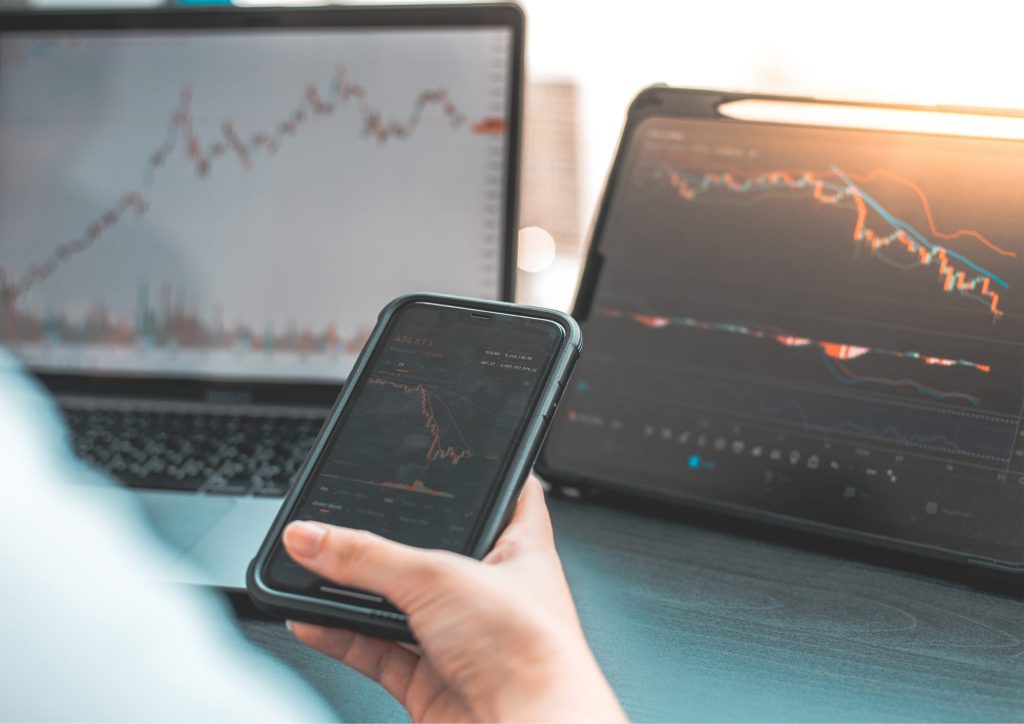
Market sentiment plays a significant role in forex trading as it can drive market trends and impact currency prices. When market sentiment is positive, traders are generally optimistic about a currency’s prospects, leading to increased buying activity. This demand can drive up the currency’s value. Conversely, when market sentiment is negative, traders tend to sell off the currency, causing its value to decline. Understanding the prevailing sentiment can help traders anticipate potential market price movements and adjust their trading strategy accordingly.

By incorporating market sentiment analysis into their trading approach, traders can align their positions with the prevailing sentiment, increasing the probability of successful trades. Market sentiment can act as a confirming factor for technical analysis or provide early signals for potential trend reversals.

Key Indicators of Market Sentiment

#1. Economic Data

Economic indicators such as gross domestic product (GDP), employment reports, interest rates, and inflation rates can influence market sentiment. Positive economic data often boosts market sentiment, while negative data can dampen it. For example, strong GDP growth can generate positive sentiment, attracting investors to a currency.

#2. News and Events

Major news events, geopolitical developments, and central bank announcements can significantly impact market sentiment. Traders need to stay informed about these events and understand how they might shape market sentiment. For instance, political instability or unexpected policy decisions can create uncertainty and affect market sentiment.

#3. Technical Analysis

Technical indicators and chart patterns can help identify shifts in market sentiment. Traders often look for patterns such as bullish or bearish reversal formations, breakouts, or divergences to confirm or anticipate changes in sentiment. Technical analysis combined with sentiment analysis can provide a more comprehensive understanding of the market.

#4. Sentiment Indicators

Several sentiment indicators, such as the Commitment of Traders (COT) report, can provide insights into market sentiment. The COT report analyzes the positions of different market participants, including institutional traders and large speculators. By examining the positioning of these traders, one can gauge the overall sentiment in the market. Other sentiment indicators include surveys, sentiment indexes, and social media sentiment analysis.

Strategies for Trading Based on Market Sentiment

#1. Trend Trading

Traders can align their positions with the prevailing market sentiment. If sentiment is bullish, traders may look for buying opportunities, anticipating an upward trend. Similarly, if bearish sentiment, traders may consider selling opportunities, anticipating a downward trend. Trend trading strategies aim to capitalize on sustained movements in line with sentiment.

#2. News Trading

Traders can capitalize on news releases by monitoring market sentiment before and after the release. Positive news can boost sentiment, making it an opportune time to enter long positions. Conversely, negative news may create short-selling opportunities. It is important to exercise caution during news events as market reactions can be volatile and unpredictable.

#3. Sentiment Indicators

Incorporating sentiment indicators into trading strategies can provide additional insights. For example, monitoring the COT report can help identify potential reversals when extreme positioning occurs. If the majority of traders are already positioned in one direction, it may suggest a sentiment extreme and a possible reversal in the near future.

#4. Contrarian Approach

Some traders adopt a contrarian approach, going against prevailing sentiment. When sentiment becomes extremely bullish or bearish sentiment, contrarian traders may look for potential reversals in the market. This strategy involves identifying sentiment extremes and taking positions that align with an anticipated reversal. However, contrarian trading requires careful analysis and risk management, as it goes against the prevailing sentiment.

Conclusion:

Market sentiment is a critical element in forex trading that should not be overlooked. By understanding and analyzing market sentiment, traders can gain valuable insights into market trends, identify potential trading opportunities, and enhance their overall trading strategies. However, it is important to remember that market sentiment is just one piece of the puzzle, and traders should combine it with other fundamental and technical analysis tools to make well-informed trading decisions. Keeping abreast of current market sentiment and incorporating it into your trading approach can significantly improve your chances of success in the dynamic world of forex trading.

FAQs: Forex Trading and Market Sentiment

How does market sentiment affect forex trading?

Market sentiment plays a significant role in forex trading as it influences the buying and selling behavior of traders. Positive sentiment can lead to increased demand for a currency, driving its value higher. Conversely, negative sentiment can trigger selling pressure, causing a currency’s value to decline. Understanding market sentiment helps traders anticipate potential price movements and adjust their trading strategies accordingly.

What are some indicators of market sentiment in forex trading?

There are several indicators of market sentiment in forex trading. Economic data, such as GDP growth, employment reports, and inflation rates, can impact sentiment. Major news events, geopolitical developments, and central bank announcements also influence sentiment. Additionally, technical analysis tools like chart patterns and sentiment indicators such as the Commitment of Traders (COT) report provide insights into market sentiment by analyzing the positions of different market participants.

Can market sentiment be used as a standalone strategy in forex trading?

While market sentiment is an important factor in forex trading, it is generally not recommended to rely solely on sentiment as a standalone strategy. Market sentiment should be used in conjunction with other technical and fundamental analysis tools to make well-informed trading decisions. Combining sentiment analysis with technical indicators, trend analysis, and risk management strategies can increase the effectiveness of trading strategies and improve overall trading outcomes.

How can traders incorporate market sentiment into their trading approach?

Traders can incorporate market sentiment into their trading approach in various ways. One approach is trend trading, where traders align their positions with the prevailing sentiment to capitalize on sustained market movements. News trading involves monitoring sentiment before and after news releases to take advantage of short-term opportunities. Sentiment indicators, such as the COT report, can provide insights into market sentiment for more informed decision-making. Lastly, some commercial traders adopt a contrarian approach, looking for sentiment extremes as potential signals for reversals in the market.



Top 5 Forex Brokers Ranked by Traders in 2025

About Ezekiel Chew​

Ezekiel Chew, founder and head of training at Asia Forex Mentor, is a renowned forex expert, frequently invited to speak at major industry events. Known for his deep market insights, Ezekiel is one of the top traders committed to supporting the trading community. Making six figures per trade, he also trains traders working in banks, fund management, and prop trading firms.

How to Read Candlesticks (Most Traders Get This Wrong)

Most traders who spend months learning how to read candlesticks still lose on setups that looked textbook. The pattern was never the problem. Reading it without context was. ABOUT THIS GUIDE This guide covers three specific candlestick signals used in professional price action trading, the Fibonacci golden zone context tool,

Read More

What Profit Factor Tells You Before Going Live

Profit factor is calculated by dividing a strategy’s total gross profit by its total gross loss, and most experienced traders reject any system that reads below 1.5 before risking real capital. Most traders see any positive number and call it a green light. That is where the costly mistake starts.

Read More

6 Forex Trading Scams Every Beginner Should Know

The most effective forex trading scams do not announce themselves as threats. They arrive as opportunities, come through referrals and social media, and are often indistinguishable from legitimate services until the first withdrawal request is made. ABOUT THIS GUIDE This guide covers the six most common forex trading scams, the

Read More

How to Use Fibonacci Retracement Step by Step in 2026

Most traders learn how to use Fibonacci retracement and immediately draw it wrong. This tool comes from a mathematical sequence first documented in 1202, and institutional traders use it daily to plan entries at precise price levels. The majority of retail traders miss the one placement rule that makes every

Read More

Free Margin in Forex What the MT4 Panel Shows

Free margin in forex is the one figure on the MT4 or MT5 account panel that determines whether another position can open right now, and it is consistently the last number most traders learn to read. ABOUT THIS GUIDE This guide explains what free margin is and how it connects

Read More

Scalping Trading Strategy The Pros Actually Use

The scalping trading strategy most retail traders use is not actually scalping. They are gambling on 1-minute candles with no defined edge, no position-sizing rules, and no plan for when the losses come. ABOUT THIS GUIDE This guide covers what scalping is, how professional scalpers build a repeatable edge, and

Read More

AFM Trading Summit Live

Date: Coming Soon

Join us at the AFM Trading Summit Live and learn from top industry experts through live trading sessions, market insights, and actionable strategies.

Forex Trading and Market Sentiment: A Comprehensive Guide for Traders

4.0
Overall Trust Index

Written by:

Updated:

January 22, 2025

Forex trading, also known as foreign exchange trading, is the decentralized global marketplace where various currencies are bought and sold. Traders engage in this dynamic market to speculate on currency fluctuations and make profits. However, successful forex trading requires more than just technical analysis and fundamental indicators. Understanding market sentiment is a crucial aspect that can greatly impact trading decisions and outcomes. In this article, we will explore the concept of market sentiment, its significance in forex trading, and effective strategies to incorporate it into your trading approach.

What is Market Sentiment?

Market sentiment refers to the overall attitude or prevailing mood of traders and investors towards a particular financial market or asset. It is influenced by various factors, including economic indicators, political events, news releases, and investor behavior. Market sentiment can be categorized as bullish (positive), bearish (negative), or neutral. Understanding and analyzing market sentiment can provide valuable insights into the potential direction of a currency pair and help traders make informed trading decisions.

Market sentiment is often driven by emotions such as fear, greed, and optimism. Traders' collective sentiments can create trends, momentum, or reversals in the market. By assessing market sentiment, traders can gauge the prevailing market psychology and identify potential trading opportunities.

Also Read: Forex Trading and Sustainable Investing

The Role of Market Sentiment in Forex Trading

Market sentiment plays a significant role in forex trading as it can drive market trends and impact currency prices. When market sentiment is positive, traders are generally optimistic about a currency's prospects, leading to increased buying activity. This demand can drive up the currency's value. Conversely, when market sentiment is negative, traders tend to sell off the currency, causing its value to decline. Understanding the prevailing sentiment can help traders anticipate potential market price movements and adjust their trading strategy accordingly.

By incorporating market sentiment analysis into their trading approach, traders can align their positions with the prevailing sentiment, increasing the probability of successful trades. Market sentiment can act as a confirming factor for technical analysis or provide early signals for potential trend reversals.

Key Indicators of Market Sentiment

#1. Economic Data

Economic indicators such as gross domestic product (GDP), employment reports, interest rates, and inflation rates can influence market sentiment. Positive economic data often boosts market sentiment, while negative data can dampen it. For example, strong GDP growth can generate positive sentiment, attracting investors to a currency.

#2. News and Events

Major news events, geopolitical developments, and central bank announcements can significantly impact market sentiment. Traders need to stay informed about these events and understand how they might shape market sentiment. For instance, political instability or unexpected policy decisions can create uncertainty and affect market sentiment.

#3. Technical Analysis

Technical indicators and chart patterns can help identify shifts in market sentiment. Traders often look for patterns such as bullish or bearish reversal formations, breakouts, or divergences to confirm or anticipate changes in sentiment. Technical analysis combined with sentiment analysis can provide a more comprehensive understanding of the market.

#4. Sentiment Indicators

Several sentiment indicators, such as the Commitment of Traders (COT) report, can provide insights into market sentiment. The COT report analyzes the positions of different market participants, including institutional traders and large speculators. By examining the positioning of these traders, one can gauge the overall sentiment in the market. Other sentiment indicators include surveys, sentiment indexes, and social media sentiment analysis.

Strategies for Trading Based on Market Sentiment

#1. Trend Trading

Traders can align their positions with the prevailing market sentiment. If sentiment is bullish, traders may look for buying opportunities, anticipating an upward trend. Similarly, if bearish sentiment, traders may consider selling opportunities, anticipating a downward trend. Trend trading strategies aim to capitalize on sustained movements in line with sentiment.

#2. News Trading

Traders can capitalize on news releases by monitoring market sentiment before and after the release. Positive news can boost sentiment, making it an opportune time to enter long positions. Conversely, negative news may create short-selling opportunities. It is important to exercise caution during news events as market reactions can be volatile and unpredictable.

#3. Sentiment Indicators

Incorporating sentiment indicators into trading strategies can provide additional insights. For example, monitoring the COT report can help identify potential reversals when extreme positioning occurs. If the majority of traders are already positioned in one direction, it may suggest a sentiment extreme and a possible reversal in the near future.

#4. Contrarian Approach

Some traders adopt a contrarian approach, going against prevailing sentiment. When sentiment becomes extremely bullish or bearish sentiment, contrarian traders may look for potential reversals in the market. This strategy involves identifying sentiment extremes and taking positions that align with an anticipated reversal. However, contrarian trading requires careful analysis and risk management, as it goes against the prevailing sentiment.

Conclusion:

Market sentiment is a critical element in forex trading that should not be overlooked. By understanding and analyzing market sentiment, traders can gain valuable insights into market trends, identify potential trading opportunities, and enhance their overall trading strategies. However, it is important to remember that market sentiment is just one piece of the puzzle, and traders should combine it with other fundamental and technical analysis tools to make well-informed trading decisions. Keeping abreast of current market sentiment and incorporating it into your trading approach can significantly improve your chances of success in the dynamic world of forex trading.

FAQs: Forex Trading and Market Sentiment

How does market sentiment affect forex trading?

Market sentiment plays a significant role in forex trading as it influences the buying and selling behavior of traders. Positive sentiment can lead to increased demand for a currency, driving its value higher. Conversely, negative sentiment can trigger selling pressure, causing a currency's value to decline. Understanding market sentiment helps traders anticipate potential price movements and adjust their trading strategies accordingly.

What are some indicators of market sentiment in forex trading?

There are several indicators of market sentiment in forex trading. Economic data, such as GDP growth, employment reports, and inflation rates, can impact sentiment. Major news events, geopolitical developments, and central bank announcements also influence sentiment. Additionally, technical analysis tools like chart patterns and sentiment indicators such as the Commitment of Traders (COT) report provide insights into market sentiment by analyzing the positions of different market participants.

Can market sentiment be used as a standalone strategy in forex trading?

While market sentiment is an important factor in forex trading, it is generally not recommended to rely solely on sentiment as a standalone strategy. Market sentiment should be used in conjunction with other technical and fundamental analysis tools to make well-informed trading decisions. Combining sentiment analysis with technical indicators, trend analysis, and risk management strategies can increase the effectiveness of trading strategies and improve overall trading outcomes.

How can traders incorporate market sentiment into their trading approach?

Traders can incorporate market sentiment into their trading approach in various ways. One approach is trend trading, where traders align their positions with the prevailing sentiment to capitalize on sustained market movements. News trading involves monitoring sentiment before and after news releases to take advantage of short-term opportunities. Sentiment indicators, such as the COT report, can provide insights into market sentiment for more informed decision-making. Lastly, some commercial traders adopt a contrarian approach, looking for sentiment extremes as potential signals for reversals in the market.


Top 5 Forex Brokers Ranked by Traders in 2025

ezekiel chew asiaforexmentor

About Ezekiel Chew

Ezekiel Chew, founder and head of training at Asia Forex Mentor, is a renowned forex expert, frequently invited to speak at major industry events. Known for his deep market insights, Ezekiel is one of the top traders committed to supporting the trading community. Making six figures per trade, he also trains traders working in banks, fund management, and prop trading firms.

RELATED ARTICLES

Forex Trading and Market Sentiment: A Comprehensive Guide for Traders

4.0
Overall Trust Index

Written by:

Updated:

January 22, 2025

Forex trading, also known as foreign exchange trading, is the decentralized global marketplace where various currencies are bought and sold. Traders engage in this dynamic market to speculate on currency fluctuations and make profits. However, successful forex trading requires more than just technical analysis and fundamental indicators. Understanding market sentiment is a crucial aspect that can greatly impact trading decisions and outcomes. In this article, we will explore the concept of market sentiment, its significance in forex trading, and effective strategies to incorporate it into your trading approach.

What is Market Sentiment?

Market sentiment refers to the overall attitude or prevailing mood of traders and investors towards a particular financial market or asset. It is influenced by various factors, including economic indicators, political events, news releases, and investor behavior. Market sentiment can be categorized as bullish (positive), bearish (negative), or neutral. Understanding and analyzing market sentiment can provide valuable insights into the potential direction of a currency pair and help traders make informed trading decisions.

Market sentiment is often driven by emotions such as fear, greed, and optimism. Traders' collective sentiments can create trends, momentum, or reversals in the market. By assessing market sentiment, traders can gauge the prevailing market psychology and identify potential trading opportunities.

Also Read: Forex Trading and Sustainable Investing

The Role of Market Sentiment in Forex Trading

Market sentiment plays a significant role in forex trading as it can drive market trends and impact currency prices. When market sentiment is positive, traders are generally optimistic about a currency's prospects, leading to increased buying activity. This demand can drive up the currency's value. Conversely, when market sentiment is negative, traders tend to sell off the currency, causing its value to decline. Understanding the prevailing sentiment can help traders anticipate potential market price movements and adjust their trading strategy accordingly.

By incorporating market sentiment analysis into their trading approach, traders can align their positions with the prevailing sentiment, increasing the probability of successful trades. Market sentiment can act as a confirming factor for technical analysis or provide early signals for potential trend reversals.

Key Indicators of Market Sentiment

#1. Economic Data

Economic indicators such as gross domestic product (GDP), employment reports, interest rates, and inflation rates can influence market sentiment. Positive economic data often boosts market sentiment, while negative data can dampen it. For example, strong GDP growth can generate positive sentiment, attracting investors to a currency.

#2. News and Events

Major news events, geopolitical developments, and central bank announcements can significantly impact market sentiment. Traders need to stay informed about these events and understand how they might shape market sentiment. For instance, political instability or unexpected policy decisions can create uncertainty and affect market sentiment.

#3. Technical Analysis

Technical indicators and chart patterns can help identify shifts in market sentiment. Traders often look for patterns such as bullish or bearish reversal formations, breakouts, or divergences to confirm or anticipate changes in sentiment. Technical analysis combined with sentiment analysis can provide a more comprehensive understanding of the market.

#4. Sentiment Indicators

Several sentiment indicators, such as the Commitment of Traders (COT) report, can provide insights into market sentiment. The COT report analyzes the positions of different market participants, including institutional traders and large speculators. By examining the positioning of these traders, one can gauge the overall sentiment in the market. Other sentiment indicators include surveys, sentiment indexes, and social media sentiment analysis.

Strategies for Trading Based on Market Sentiment

#1. Trend Trading

Traders can align their positions with the prevailing market sentiment. If sentiment is bullish, traders may look for buying opportunities, anticipating an upward trend. Similarly, if bearish sentiment, traders may consider selling opportunities, anticipating a downward trend. Trend trading strategies aim to capitalize on sustained movements in line with sentiment.

#2. News Trading

Traders can capitalize on news releases by monitoring market sentiment before and after the release. Positive news can boost sentiment, making it an opportune time to enter long positions. Conversely, negative news may create short-selling opportunities. It is important to exercise caution during news events as market reactions can be volatile and unpredictable.

#3. Sentiment Indicators

Incorporating sentiment indicators into trading strategies can provide additional insights. For example, monitoring the COT report can help identify potential reversals when extreme positioning occurs. If the majority of traders are already positioned in one direction, it may suggest a sentiment extreme and a possible reversal in the near future.

#4. Contrarian Approach

Some traders adopt a contrarian approach, going against prevailing sentiment. When sentiment becomes extremely bullish or bearish sentiment, contrarian traders may look for potential reversals in the market. This strategy involves identifying sentiment extremes and taking positions that align with an anticipated reversal. However, contrarian trading requires careful analysis and risk management, as it goes against the prevailing sentiment.

Conclusion:

Market sentiment is a critical element in forex trading that should not be overlooked. By understanding and analyzing market sentiment, traders can gain valuable insights into market trends, identify potential trading opportunities, and enhance their overall trading strategies. However, it is important to remember that market sentiment is just one piece of the puzzle, and traders should combine it with other fundamental and technical analysis tools to make well-informed trading decisions. Keeping abreast of current market sentiment and incorporating it into your trading approach can significantly improve your chances of success in the dynamic world of forex trading.

FAQs: Forex Trading and Market Sentiment

How does market sentiment affect forex trading?

Market sentiment plays a significant role in forex trading as it influences the buying and selling behavior of traders. Positive sentiment can lead to increased demand for a currency, driving its value higher. Conversely, negative sentiment can trigger selling pressure, causing a currency's value to decline. Understanding market sentiment helps traders anticipate potential price movements and adjust their trading strategies accordingly.

What are some indicators of market sentiment in forex trading?

There are several indicators of market sentiment in forex trading. Economic data, such as GDP growth, employment reports, and inflation rates, can impact sentiment. Major news events, geopolitical developments, and central bank announcements also influence sentiment. Additionally, technical analysis tools like chart patterns and sentiment indicators such as the Commitment of Traders (COT) report provide insights into market sentiment by analyzing the positions of different market participants.

Can market sentiment be used as a standalone strategy in forex trading?

While market sentiment is an important factor in forex trading, it is generally not recommended to rely solely on sentiment as a standalone strategy. Market sentiment should be used in conjunction with other technical and fundamental analysis tools to make well-informed trading decisions. Combining sentiment analysis with technical indicators, trend analysis, and risk management strategies can increase the effectiveness of trading strategies and improve overall trading outcomes.

How can traders incorporate market sentiment into their trading approach?

Traders can incorporate market sentiment into their trading approach in various ways. One approach is trend trading, where traders align their positions with the prevailing sentiment to capitalize on sustained market movements. News trading involves monitoring sentiment before and after news releases to take advantage of short-term opportunities. Sentiment indicators, such as the COT report, can provide insights into market sentiment for more informed decision-making. Lastly, some commercial traders adopt a contrarian approach, looking for sentiment extremes as potential signals for reversals in the market.


Top 5 Forex Brokers Ranked by Traders in 2025

ezekiel chew asiaforexmentor

About Ezekiel Chew

Ezekiel Chew, founder and head of training at Asia Forex Mentor, is a renowned forex expert, frequently invited to speak at major industry events. Known for his deep market insights, Ezekiel is one of the top traders committed to supporting the trading community. Making six figures per trade, he also trains traders working in banks, fund management, and prop trading firms.

RELATED ARTICLES

Join the Live Event
Get Your Free Ticket Now

I consent to receiving emails and/or text message reminders for this event.

REGISTER FOR THE MASTERCLASS!