Learn To Trade Forex • Best Forex Trading Course • AsiaForexMentor

How to Get a Funded Forex Account Fast

Written by

AFM Publisher

Updated on

June 15, 2026

i
Its a default text

How to Get a Funded Forex Account Fast

Written by:

Last updated on:

June 15, 2026

A funded forex account gives traders capital from a prop firm to trade in exchange for a profit share. To get one, traders complete an evaluation with profit targets and strict risk rules. Industry data shows only 5% to 10% of traders pass these evaluations, so a rule based strategy and disciplined risk management are non-negotiable.

ABOUT THIS GUIDE

This guide was created using insights from Ezekiel Chew, an institutional forex trader with over 20 years of experience. Ezekiel has trained 100,000+ students across 50+ countries. He also trained the treasury team at DBP. Asia Forex Mentor holds the “Most Comprehensive Course” title from Investopedia and the “Best Forex Trading Course” title from Benzinga. This guide explains every step needed to get a funded forex account in plain, practical terms.


QUICK ANSWER

To get a funded forex account, complete a structured evaluation set by a funded account provider. Pass the profit target without breaching the risk rules. After passing, the provider gives access to real capital to manage. Most evaluations require traders to stay within a set drawdown limit (the maximum allowed account loss) while reaching a defined profit goal across a fixed number of trades or days.

What a Funded Forex Account Actually Is

A funded forex account lets a trader use capital provided by a third party. The trader keeps a share of the profits. The funded account provider keeps the rest. This arrangement removes the barrier of needing large personal savings to trade at a meaningful size.

Funded account programs typically require traders to complete an evaluation first. The evaluation is a demo or simulated trading test. Traders must hit a profit target without breaking any risk rules. Additionally, most programs enforce daily loss limits and a maximum overall loss threshold.

However, not all funded account programs work the same way. FTMO uses a two-phase evaluation with a 10% profit target in Phase 1 and a 5% target in Phase 2. FundedNext offers both two-phase and single-phase models depending on the product. Apex Trader Funding uses a one-step evaluation focused on futures trading. Furthermore, some programs charge a one time fee to enter. Traders should read every rule before signing up.

A funded forex account is not a shortcut to instant wealth. It is a structured opportunity for skilled traders. Consequently, only traders with a real, repeatable edge tend to pass consistently. The One Core Program from Asia Forex Mentor was built specifically to develop that edge.

Why Most Traders Fail Evaluations

According to a 2025 FPFX Technology study that analyzed over 300,000 prop accounts across 100,000 traders, only 7% of traders who begin an evaluation ever reach a payout. The same study found that 5% to 10% pass the evaluation itself, but most who pass still breach drawdown rules before their first withdrawal.

The most common reason is emotional decision making under pressure. When real outcomes feel on the line, traders abandon their rules. They hold losing trades too long. They also revenge trade, which means placing larger trades to quickly recover previous losses. Because of this spiral, small losses grow into devastating drawdowns.

A second reason is poor knowledge of the evaluation rules. Some traders fail by accident. They simply did not read the daily loss limit rules carefully. Meanwhile, others overtrade in a rush to hit the profit target. Overtrading increases risk but rarely improves results.

A third reason is the absence of a proven strategy. Many traders enter evaluations using gut feel or random signals. However, gut feel does not produce repeatable results. A trader needs a structured, rule based system to pass consistently. Without that system, passing any funded account evaluation is mostly luck.

How to Choose the Right Funded Account Program

Choosing the right program is the first real decision a trader makes. Several factors matter when comparing options.

Profit split refers to how much of the trading gains the trader keeps. A higher percentage benefits the trader. Many programs offer 70% to 90% to the trader. FundedNext offers up to 95%, FTMO scales from 80% to 90%, and The 5%ers offers up to 100% in their tiered structure.

Evaluation rules vary widely between programs. Traders should check the daily drawdown limit, the overall drawdown limit, the minimum trade count, and the maximum trading days allowed. Therefore, a trader should match the program rules to their natural trading style before paying any evaluation fee.

Fees and refunds also matter. Some programs refund the evaluation fee on the first payout. Others do not. Furthermore, some programs charge recurring monthly fees. A one time fee model is often simpler to budget for.

Provider track record determines long-term trust. Established firms like FTMO, FundedNext, Apex Trader Funding, and The 5%ers have clear payout history, transparent rules, and verifiable results. However, the prop firm industry has seen multiple major closures in recent years, including MyForexFunds (shut down by the CFTC in 2023), TrueForexFunds (closed in May 2024), and MyFundedFX (closed in February 2026).

Therefore, choosing a firm with a long operational track record matters more than choosing the cheapest evaluation fee.

The Exact Steps to Get a Funded Forex Account

Getting a funded forex account follows a clear sequence. Skipping any step increases the chance of failing.

Step 1: Build a proven trading strategy. A strategy must have clear entry rules, exit rules, and risk rules. It must work across multiple market conditions. Additionally, the strategy should be tested on historical data before any evaluation trading begins.

Step 2: Practice with full discipline. Demo trading before an evaluation is critical. However, demo trading should follow the exact same rules as the evaluation. Treating practice as seriously as a real evaluation builds the habits needed to pass.

Step 3: Choose the right program. Match the evaluation rules to the trading style. A trader who holds positions for multiple days should choose a program without short time limits. Consequently, a trader who takes quick intra-day positions should confirm the program allows that style.

Step 4: Read every rule before trading day one. Rule violations cause instant failures. Therefore, a trader should write out every rule and keep it visible during every session. This simple habit prevents the most costly mistakes.

Step 5: Trade the evaluation exactly like a live account. Emotional consistency is the difference between passing and failing. Treating the evaluation with full seriousness creates the best outcomes. Attending the free AFM trading webinar helps traders build that professional mindset before starting.

Step 6: Hit the profit target without breaking any rules. This sounds obvious. However, many traders break a rule in the final days of an evaluation while rushing to finish. Patience and rule adherence matter most in the final stretch.

Risk Management Rules That Evaluations Demand

Risk management is not optional in funded account evaluations. It is the entire game. Most funded account providers enforce two key risk limits.

The first is the daily drawdown limit . This is the maximum loss allowed in a single trading day. A common daily limit is 4% to 5% of the account balance. Breaking this limit ends the evaluation immediately. Therefore, traders must calculate their maximum daily risk before placing a single trade.

The second is the overall drawdown limit. This is the total maximum loss allowed from the starting account balance. A common overall limit is 8% to 10%. Because the overall limit accumulates across days, a few bad sessions can push a trader dangerously close to disqualification.

Position sizing controls how fast drawdown grows. A trader risking 1% per trade on a $100,000 account risks $1,000 per trade. Similarly, a trader risking 0.5% per trade risks $500. Smaller sizes give more room for losses without hitting the limit.

Additionally, stop losses (automatic exit orders that close a trade at a set loss level) are non-negotiable on every trade. Most experienced traders in funded programs risk no more than 1% per trade as a hard ceiling.

The Trading Strategy Edge That Separates Passers From Failers

A funded account evaluation does not just test discipline. It tests the quality of the underlying strategy. A strategy with no real edge cannot produce consistent profits under evaluation conditions.

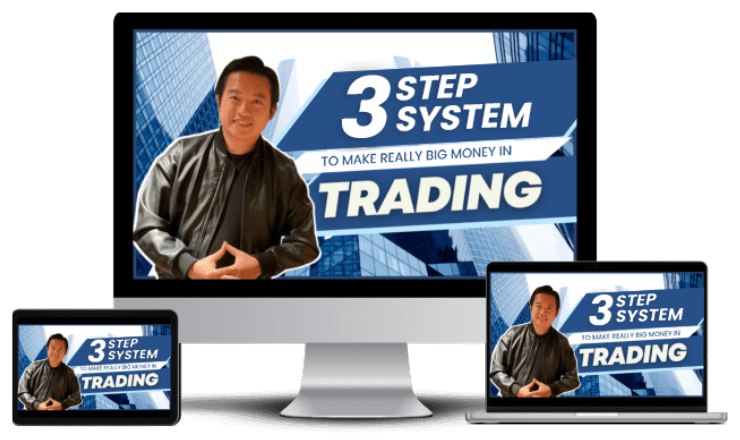
The AFM 3 Step System teaches traders to identify trends (the overall market direction), ranges (periods when price moves sideways), and key levels (important price zones where buying or selling pressure has historically appeared). This system is rule based and repeatable. Consequently, it removes the emotional guesswork that causes most traders to fail evaluations.

Most retail traders look for trades everywhere on the chart. Asia Forex Mentor teaches the opposite. It is built in an approach around waiting for high probability setups at key levels within a confirmed trend. Therefore, traders take fewer trades but make each one count.

What AFM Students Do Differently

AFM students approach funded account evaluations differently from most retail traders. The difference starts with preparation and ends with execution.

Most retail traders enter an evaluation hoping strategy will appear when it matters. AFM students enter with a documented trading plan, verified historical testing results, and a defined daily risk budget. Additionally, AFM students understand how to read institutional order flow (the way large capital moves through the market). That knowledge puts them ahead of traders reacting to indicators alone.

Furthermore, AFM students avoid trading for excitement. They wait for confirmed setups. They only execute when all three elements of the AFM 3 Step System align. Because they take fewer setups, their consistency stays strong without gambling on marginal positions.

Ezekiel has seen hundreds of students attempt evaluations before finding AFM. He consistently observed the same pattern. The traders who failed were not unintelligent. Instead, they were trading without a structural framework. After completing the One Core Program, many of those students passed their very next evaluation. They finally had a rule based approach with defined entry and exit criteria. One student from Southeast Asia failed three separate evaluations before joining AFM. After completing the course, that student passed on the next attempt. The difference was not more screen time. The difference was a structured system that removed subjective decision making from the process entirely.

Common Mistakes to Avoid During an Evaluation

Several avoidable mistakes end evaluations early. Knowing them in advance saves both time and money.

Mistake 1: Oversizing positions early. Many traders try to build a profit cushion quickly by trading large in the opening days. However, this approach exposes the account to a single devastating loss. Instead, traders should size positions consistently throughout the entire evaluation.

Mistake 2: Ignoring the daily drawdown reset time. Some programs reset the daily drawdown limit at midnight server time. Traders who do not know the reset time can accidentally violate the rule by holding a position across the reset window. Therefore, traders must understand exactly when the daily limit resets.

Mistake 3: Changing strategy mid-evaluation. When a strategy hits a losing stretch, the temptation to switch approaches is strong. However, switching strategies during an evaluation compounds confusion. Because no strategy wins every trade, patience through a short drawdown is part of the test.

Mistake 4: Trading around high impact news events without a plan. Economic news releases can cause sudden, large price moves. These moves can trigger stop losses or create slippage (the gap between the intended exit price and the actual exit price). Additionally, some funded account providers restrict trading around major news events. Traders should check those rules carefully before every event.

Mistake 5: Not keeping a trading journal. A trading journal (a log of every trade with entry, exit, reasoning, and result) creates accountability. Furthermore, it reveals patterns across both winning and losing trades. Without a journal, traders repeat the same mistakes without understanding why results are inconsistent.

Also Read: 5 Myths That Stop Traders From Passing Prop Firm Challenges

Conclusion

Getting a funded forex account is achievable for traders who prepare correctly. The path requires a proven strategy, strict risk management, and complete knowledge of the evaluation rules. Additionally, it requires the emotional discipline to follow the plan even when trades move against the position.

Most traders fail because they skip preparation and rush the process. However, traders who treat the evaluation like a professional performance test pass at significantly higher rates.

The starting point for most traders is education. Traders who understand the system trade with confidence. Traders who trade with confidence pass evaluations.

Frequently Asked Questions

What is the fastest way to get a funded forex account?

The fastest path combines a rule based trading strategy with strict risk management from day one. Traders who prepare with historical testing and demo practice pass evaluations far more reliably than those who jump in unprepared. Additionally, choosing a program whose rules match the trader's natural style speeds up the process. Skipping preparation almost always results in multiple failed attempts, which costs more time overall.

How much does it cost to get a funded forex account?

Evaluation fees vary by program and account size. Evaluation fees typically range from around $129 for a $10,000 account at FundedNext to around $549 to $589 for a $100,000 account at FundedNext and FTMO. The AFM Capital Founder Capital Protocol charges $997 as a one time fee with no recurring costs.

What is a drawdown limit in a funded account evaluation?

A drawdown limit is the maximum loss a trader is allowed to incur during the evaluation. Most programs set both a daily drawdown limit and an overall drawdown limit. For example, a 5% daily limit on a $100,000 account means the trader cannot lose more than $5,000 in a single trading day. Breaking this limit ends the evaluation immediately, regardless of overall account performance. Therefore, traders must calculate their maximum position size based on this limit before every session.

Can beginners get a funded forex account?

Beginners face very low odds in funded account evaluations without prior structured training. Industry data shows only 7% of traders who begin evaluations ever receive a payout. However, beginners who invest in structured education before attempting an evaluation improve their chances significantly.

About Ezekiel Chew​

Ezekiel Chew, founder and head of training at Asia Forex Mentor, is a renowned forex expert, frequently invited to speak at major industry events. Known for his deep market insights, Ezekiel is one of the top traders committed to supporting the trading community. Making six figures per trade, he also trains traders working in banks, fund management, and prop trading firms.

How to Avoid Blowing a Forex Account

The traders who know how to avoid blowing a forex account share one common habit. They protect capital first and chase profits second. Most traders do the opposite. They size up on a sure thing. One trade, no stop loss. They tell themselves they will cut it if it moves

Read More

How Prop Firms Work: What Traders Need to Know

AEO Quick Answer How do prop firms work? A proprietary trading firm (prop firm) provides capital to traders who pass a performance evaluation. Traders keep a percentage of profits, typically 70–90%,  while the firm absorbs the risk. The trader risks only the evaluation fee, not personal capital. Most evaluations involve

Read More

AFM Trading Summit Live

Date: Coming Soon

Join us at the AFM Trading Summit Live and learn from top industry experts through live trading sessions, market insights, and actionable strategies.

How to Get a Funded Forex Account Fast

4.0
Overall Trust Index

Written by:

Updated:

June 15, 2026
A funded forex account gives traders capital from a prop firm to trade in exchange for a profit share. To get one, traders complete an evaluation with profit targets and strict risk rules. Industry data shows only 5% to 10% of traders pass these evaluations, so a rule based strategy and disciplined risk management are non-negotiable.

ABOUT THIS GUIDE

This guide was created using insights from Ezekiel Chew, an institutional forex trader with over 20 years of experience. Ezekiel has trained 100,000+ students across 50+ countries. He also trained the treasury team at DBP. Asia Forex Mentor holds the "Most Comprehensive Course" title from Investopedia and the "Best Forex Trading Course" title from Benzinga. This guide explains every step needed to get a funded forex account in plain, practical terms.
 

QUICK ANSWER

To get a funded forex account, complete a structured evaluation set by a funded account provider. Pass the profit target without breaching the risk rules. After passing, the provider gives access to real capital to manage. Most evaluations require traders to stay within a set drawdown limit (the maximum allowed account loss) while reaching a defined profit goal across a fixed number of trades or days.

What a Funded Forex Account Actually Is

A funded forex account lets a trader use capital provided by a third party. The trader keeps a share of the profits. The funded account provider keeps the rest. This arrangement removes the barrier of needing large personal savings to trade at a meaningful size. Funded account programs typically require traders to complete an evaluation first. The evaluation is a demo or simulated trading test. Traders must hit a profit target without breaking any risk rules. Additionally, most programs enforce daily loss limits and a maximum overall loss threshold. However, not all funded account programs work the same way. FTMO uses a two-phase evaluation with a 10% profit target in Phase 1 and a 5% target in Phase 2. FundedNext offers both two-phase and single-phase models depending on the product. Apex Trader Funding uses a one-step evaluation focused on futures trading. Furthermore, some programs charge a one time fee to enter. Traders should read every rule before signing up. A funded forex account is not a shortcut to instant wealth. It is a structured opportunity for skilled traders. Consequently, only traders with a real, repeatable edge tend to pass consistently. The One Core Program from Asia Forex Mentor was built specifically to develop that edge.

Why Most Traders Fail Evaluations

According to a 2025 FPFX Technology study that analyzed over 300,000 prop accounts across 100,000 traders, only 7% of traders who begin an evaluation ever reach a payout. The same study found that 5% to 10% pass the evaluation itself, but most who pass still breach drawdown rules before their first withdrawal. The most common reason is emotional decision making under pressure. When real outcomes feel on the line, traders abandon their rules. They hold losing trades too long. They also revenge trade, which means placing larger trades to quickly recover previous losses. Because of this spiral, small losses grow into devastating drawdowns. A second reason is poor knowledge of the evaluation rules. Some traders fail by accident. They simply did not read the daily loss limit rules carefully. Meanwhile, others overtrade in a rush to hit the profit target. Overtrading increases risk but rarely improves results. A third reason is the absence of a proven strategy. Many traders enter evaluations using gut feel or random signals. However, gut feel does not produce repeatable results. A trader needs a structured, rule based system to pass consistently. Without that system, passing any funded account evaluation is mostly luck.

How to Choose the Right Funded Account Program

Choosing the right program is the first real decision a trader makes. Several factors matter when comparing options. Profit split refers to how much of the trading gains the trader keeps. A higher percentage benefits the trader. Many programs offer 70% to 90% to the trader. FundedNext offers up to 95%, FTMO scales from 80% to 90%, and The 5%ers offers up to 100% in their tiered structure. Evaluation rules vary widely between programs. Traders should check the daily drawdown limit, the overall drawdown limit, the minimum trade count, and the maximum trading days allowed. Therefore, a trader should match the program rules to their natural trading style before paying any evaluation fee. Fees and refunds also matter. Some programs refund the evaluation fee on the first payout. Others do not. Furthermore, some programs charge recurring monthly fees. A one time fee model is often simpler to budget for. Provider track record determines long-term trust. Established firms like FTMO, FundedNext, Apex Trader Funding, and The 5%ers have clear payout history, transparent rules, and verifiable results. However, the prop firm industry has seen multiple major closures in recent years, including MyForexFunds (shut down by the CFTC in 2023), TrueForexFunds (closed in May 2024), and MyFundedFX (closed in February 2026). Therefore, choosing a firm with a long operational track record matters more than choosing the cheapest evaluation fee.

The Exact Steps to Get a Funded Forex Account

Getting a funded forex account follows a clear sequence. Skipping any step increases the chance of failing. Step 1: Build a proven trading strategy. A strategy must have clear entry rules, exit rules, and risk rules. It must work across multiple market conditions. Additionally, the strategy should be tested on historical data before any evaluation trading begins. Step 2: Practice with full discipline. Demo trading before an evaluation is critical. However, demo trading should follow the exact same rules as the evaluation. Treating practice as seriously as a real evaluation builds the habits needed to pass. Step 3: Choose the right program. Match the evaluation rules to the trading style. A trader who holds positions for multiple days should choose a program without short time limits. Consequently, a trader who takes quick intra-day positions should confirm the program allows that style. Step 4: Read every rule before trading day one. Rule violations cause instant failures. Therefore, a trader should write out every rule and keep it visible during every session. This simple habit prevents the most costly mistakes. Step 5: Trade the evaluation exactly like a live account. Emotional consistency is the difference between passing and failing. Treating the evaluation with full seriousness creates the best outcomes. Attending the free AFM trading webinar helps traders build that professional mindset before starting. Step 6: Hit the profit target without breaking any rules. This sounds obvious. However, many traders break a rule in the final days of an evaluation while rushing to finish. Patience and rule adherence matter most in the final stretch.

Risk Management Rules That Evaluations Demand

Risk management is not optional in funded account evaluations. It is the entire game. Most funded account providers enforce two key risk limits. The first is the daily drawdown limit. This is the maximum loss allowed in a single trading day. A common daily limit is 4% to 5% of the account balance. Breaking this limit ends the evaluation immediately. Therefore, traders must calculate their maximum daily risk before placing a single trade. The second is the overall drawdown limit. This is the total maximum loss allowed from the starting account balance. A common overall limit is 8% to 10%. Because the overall limit accumulates across days, a few bad sessions can push a trader dangerously close to disqualification. Position sizing controls how fast drawdown grows. A trader risking 1% per trade on a $100,000 account risks $1,000 per trade. Similarly, a trader risking 0.5% per trade risks $500. Smaller sizes give more room for losses without hitting the limit. Additionally, stop losses (automatic exit orders that close a trade at a set loss level) are non-negotiable on every trade. Most experienced traders in funded programs risk no more than 1% per trade as a hard ceiling.

The Trading Strategy Edge That Separates Passers From Failers

A funded account evaluation does not just test discipline. It tests the quality of the underlying strategy. A strategy with no real edge cannot produce consistent profits under evaluation conditions. The AFM 3 Step System teaches traders to identify trends (the overall market direction), ranges (periods when price moves sideways), and key levels (important price zones where buying or selling pressure has historically appeared). This system is rule based and repeatable. Consequently, it removes the emotional guesswork that causes most traders to fail evaluations. Most retail traders look for trades everywhere on the chart. Asia Forex Mentor teaches the opposite. It is built in an approach around waiting for high probability setups at key levels within a confirmed trend. Therefore, traders take fewer trades but make each one count.

What AFM Students Do Differently

AFM students approach funded account evaluations differently from most retail traders. The difference starts with preparation and ends with execution. Most retail traders enter an evaluation hoping strategy will appear when it matters. AFM students enter with a documented trading plan, verified historical testing results, and a defined daily risk budget. Additionally, AFM students understand how to read institutional order flow (the way large capital moves through the market). That knowledge puts them ahead of traders reacting to indicators alone. Furthermore, AFM students avoid trading for excitement. They wait for confirmed setups. They only execute when all three elements of the AFM 3 Step System align. Because they take fewer setups, their consistency stays strong without gambling on marginal positions. Ezekiel has seen hundreds of students attempt evaluations before finding AFM. He consistently observed the same pattern. The traders who failed were not unintelligent. Instead, they were trading without a structural framework. After completing the One Core Program, many of those students passed their very next evaluation. They finally had a rule based approach with defined entry and exit criteria. One student from Southeast Asia failed three separate evaluations before joining AFM. After completing the course, that student passed on the next attempt. The difference was not more screen time. The difference was a structured system that removed subjective decision making from the process entirely.

Common Mistakes to Avoid During an Evaluation

Several avoidable mistakes end evaluations early. Knowing them in advance saves both time and money. Mistake 1: Oversizing positions early. Many traders try to build a profit cushion quickly by trading large in the opening days. However, this approach exposes the account to a single devastating loss. Instead, traders should size positions consistently throughout the entire evaluation. Mistake 2: Ignoring the daily drawdown reset time. Some programs reset the daily drawdown limit at midnight server time. Traders who do not know the reset time can accidentally violate the rule by holding a position across the reset window. Therefore, traders must understand exactly when the daily limit resets. Mistake 3: Changing strategy mid-evaluation. When a strategy hits a losing stretch, the temptation to switch approaches is strong. However, switching strategies during an evaluation compounds confusion. Because no strategy wins every trade, patience through a short drawdown is part of the test. Mistake 4: Trading around high impact news events without a plan. Economic news releases can cause sudden, large price moves. These moves can trigger stop losses or create slippage (the gap between the intended exit price and the actual exit price). Additionally, some funded account providers restrict trading around major news events. Traders should check those rules carefully before every event. Mistake 5: Not keeping a trading journal. A trading journal (a log of every trade with entry, exit, reasoning, and result) creates accountability. Furthermore, it reveals patterns across both winning and losing trades. Without a journal, traders repeat the same mistakes without understanding why results are inconsistent. Also Read: 5 Myths That Stop Traders From Passing Prop Firm Challenges

Conclusion

Getting a funded forex account is achievable for traders who prepare correctly. The path requires a proven strategy, strict risk management, and complete knowledge of the evaluation rules. Additionally, it requires the emotional discipline to follow the plan even when trades move against the position. Most traders fail because they skip preparation and rush the process. However, traders who treat the evaluation like a professional performance test pass at significantly higher rates. The starting point for most traders is education. Traders who understand the system trade with confidence. Traders who trade with confidence pass evaluations.

Frequently Asked Questions

What is the fastest way to get a funded forex account? The fastest path combines a rule based trading strategy with strict risk management from day one. Traders who prepare with historical testing and demo practice pass evaluations far more reliably than those who jump in unprepared. Additionally, choosing a program whose rules match the trader's natural style speeds up the process. Skipping preparation almost always results in multiple failed attempts, which costs more time overall. How much does it cost to get a funded forex account? Evaluation fees vary by program and account size. Evaluation fees typically range from around $129 for a $10,000 account at FundedNext to around $549 to $589 for a $100,000 account at FundedNext and FTMO. The AFM Capital Founder Capital Protocol charges $997 as a one time fee with no recurring costs. What is a drawdown limit in a funded account evaluation? A drawdown limit is the maximum loss a trader is allowed to incur during the evaluation. Most programs set both a daily drawdown limit and an overall drawdown limit. For example, a 5% daily limit on a $100,000 account means the trader cannot lose more than $5,000 in a single trading day. Breaking this limit ends the evaluation immediately, regardless of overall account performance. Therefore, traders must calculate their maximum position size based on this limit before every session. Can beginners get a funded forex account? Beginners face very low odds in funded account evaluations without prior structured training. Industry data shows only 7% of traders who begin evaluations ever receive a payout. However, beginners who invest in structured education before attempting an evaluation improve their chances significantly.
ezekiel chew asiaforexmentor

About Ezekiel Chew

Ezekiel Chew, founder and head of training at Asia Forex Mentor, is a renowned forex expert, frequently invited to speak at major industry events. Known for his deep market insights, Ezekiel is one of the top traders committed to supporting the trading community. Making six figures per trade, he also trains traders working in banks, fund management, and prop trading firms.

RELATED ARTICLES

How to Get a Funded Forex Account Fast

4.0
Overall Trust Index

Written by:

Updated:

June 15, 2026
A funded forex account gives traders capital from a prop firm to trade in exchange for a profit share. To get one, traders complete an evaluation with profit targets and strict risk rules. Industry data shows only 5% to 10% of traders pass these evaluations, so a rule based strategy and disciplined risk management are non-negotiable.

ABOUT THIS GUIDE

This guide was created using insights from Ezekiel Chew, an institutional forex trader with over 20 years of experience. Ezekiel has trained 100,000+ students across 50+ countries. He also trained the treasury team at DBP. Asia Forex Mentor holds the "Most Comprehensive Course" title from Investopedia and the "Best Forex Trading Course" title from Benzinga. This guide explains every step needed to get a funded forex account in plain, practical terms.
 

QUICK ANSWER

To get a funded forex account, complete a structured evaluation set by a funded account provider. Pass the profit target without breaching the risk rules. After passing, the provider gives access to real capital to manage. Most evaluations require traders to stay within a set drawdown limit (the maximum allowed account loss) while reaching a defined profit goal across a fixed number of trades or days.

What a Funded Forex Account Actually Is

A funded forex account lets a trader use capital provided by a third party. The trader keeps a share of the profits. The funded account provider keeps the rest. This arrangement removes the barrier of needing large personal savings to trade at a meaningful size. Funded account programs typically require traders to complete an evaluation first. The evaluation is a demo or simulated trading test. Traders must hit a profit target without breaking any risk rules. Additionally, most programs enforce daily loss limits and a maximum overall loss threshold. However, not all funded account programs work the same way. FTMO uses a two-phase evaluation with a 10% profit target in Phase 1 and a 5% target in Phase 2. FundedNext offers both two-phase and single-phase models depending on the product. Apex Trader Funding uses a one-step evaluation focused on futures trading. Furthermore, some programs charge a one time fee to enter. Traders should read every rule before signing up. A funded forex account is not a shortcut to instant wealth. It is a structured opportunity for skilled traders. Consequently, only traders with a real, repeatable edge tend to pass consistently. The One Core Program from Asia Forex Mentor was built specifically to develop that edge.

Why Most Traders Fail Evaluations

According to a 2025 FPFX Technology study that analyzed over 300,000 prop accounts across 100,000 traders, only 7% of traders who begin an evaluation ever reach a payout. The same study found that 5% to 10% pass the evaluation itself, but most who pass still breach drawdown rules before their first withdrawal. The most common reason is emotional decision making under pressure. When real outcomes feel on the line, traders abandon their rules. They hold losing trades too long. They also revenge trade, which means placing larger trades to quickly recover previous losses. Because of this spiral, small losses grow into devastating drawdowns. A second reason is poor knowledge of the evaluation rules. Some traders fail by accident. They simply did not read the daily loss limit rules carefully. Meanwhile, others overtrade in a rush to hit the profit target. Overtrading increases risk but rarely improves results. A third reason is the absence of a proven strategy. Many traders enter evaluations using gut feel or random signals. However, gut feel does not produce repeatable results. A trader needs a structured, rule based system to pass consistently. Without that system, passing any funded account evaluation is mostly luck.

How to Choose the Right Funded Account Program

Choosing the right program is the first real decision a trader makes. Several factors matter when comparing options. Profit split refers to how much of the trading gains the trader keeps. A higher percentage benefits the trader. Many programs offer 70% to 90% to the trader. FundedNext offers up to 95%, FTMO scales from 80% to 90%, and The 5%ers offers up to 100% in their tiered structure. Evaluation rules vary widely between programs. Traders should check the daily drawdown limit, the overall drawdown limit, the minimum trade count, and the maximum trading days allowed. Therefore, a trader should match the program rules to their natural trading style before paying any evaluation fee. Fees and refunds also matter. Some programs refund the evaluation fee on the first payout. Others do not. Furthermore, some programs charge recurring monthly fees. A one time fee model is often simpler to budget for. Provider track record determines long-term trust. Established firms like FTMO, FundedNext, Apex Trader Funding, and The 5%ers have clear payout history, transparent rules, and verifiable results. However, the prop firm industry has seen multiple major closures in recent years, including MyForexFunds (shut down by the CFTC in 2023), TrueForexFunds (closed in May 2024), and MyFundedFX (closed in February 2026). Therefore, choosing a firm with a long operational track record matters more than choosing the cheapest evaluation fee.

The Exact Steps to Get a Funded Forex Account

Getting a funded forex account follows a clear sequence. Skipping any step increases the chance of failing. Step 1: Build a proven trading strategy. A strategy must have clear entry rules, exit rules, and risk rules. It must work across multiple market conditions. Additionally, the strategy should be tested on historical data before any evaluation trading begins. Step 2: Practice with full discipline. Demo trading before an evaluation is critical. However, demo trading should follow the exact same rules as the evaluation. Treating practice as seriously as a real evaluation builds the habits needed to pass. Step 3: Choose the right program. Match the evaluation rules to the trading style. A trader who holds positions for multiple days should choose a program without short time limits. Consequently, a trader who takes quick intra-day positions should confirm the program allows that style. Step 4: Read every rule before trading day one. Rule violations cause instant failures. Therefore, a trader should write out every rule and keep it visible during every session. This simple habit prevents the most costly mistakes. Step 5: Trade the evaluation exactly like a live account. Emotional consistency is the difference between passing and failing. Treating the evaluation with full seriousness creates the best outcomes. Attending the free AFM trading webinar helps traders build that professional mindset before starting. Step 6: Hit the profit target without breaking any rules. This sounds obvious. However, many traders break a rule in the final days of an evaluation while rushing to finish. Patience and rule adherence matter most in the final stretch.

Risk Management Rules That Evaluations Demand

Risk management is not optional in funded account evaluations. It is the entire game. Most funded account providers enforce two key risk limits. The first is the daily drawdown limit. This is the maximum loss allowed in a single trading day. A common daily limit is 4% to 5% of the account balance. Breaking this limit ends the evaluation immediately. Therefore, traders must calculate their maximum daily risk before placing a single trade. The second is the overall drawdown limit. This is the total maximum loss allowed from the starting account balance. A common overall limit is 8% to 10%. Because the overall limit accumulates across days, a few bad sessions can push a trader dangerously close to disqualification. Position sizing controls how fast drawdown grows. A trader risking 1% per trade on a $100,000 account risks $1,000 per trade. Similarly, a trader risking 0.5% per trade risks $500. Smaller sizes give more room for losses without hitting the limit. Additionally, stop losses (automatic exit orders that close a trade at a set loss level) are non-negotiable on every trade. Most experienced traders in funded programs risk no more than 1% per trade as a hard ceiling.

The Trading Strategy Edge That Separates Passers From Failers

A funded account evaluation does not just test discipline. It tests the quality of the underlying strategy. A strategy with no real edge cannot produce consistent profits under evaluation conditions. The AFM 3 Step System teaches traders to identify trends (the overall market direction), ranges (periods when price moves sideways), and key levels (important price zones where buying or selling pressure has historically appeared). This system is rule based and repeatable. Consequently, it removes the emotional guesswork that causes most traders to fail evaluations. Most retail traders look for trades everywhere on the chart. Asia Forex Mentor teaches the opposite. It is built in an approach around waiting for high probability setups at key levels within a confirmed trend. Therefore, traders take fewer trades but make each one count.

What AFM Students Do Differently

AFM students approach funded account evaluations differently from most retail traders. The difference starts with preparation and ends with execution. Most retail traders enter an evaluation hoping strategy will appear when it matters. AFM students enter with a documented trading plan, verified historical testing results, and a defined daily risk budget. Additionally, AFM students understand how to read institutional order flow (the way large capital moves through the market). That knowledge puts them ahead of traders reacting to indicators alone. Furthermore, AFM students avoid trading for excitement. They wait for confirmed setups. They only execute when all three elements of the AFM 3 Step System align. Because they take fewer setups, their consistency stays strong without gambling on marginal positions. Ezekiel has seen hundreds of students attempt evaluations before finding AFM. He consistently observed the same pattern. The traders who failed were not unintelligent. Instead, they were trading without a structural framework. After completing the One Core Program, many of those students passed their very next evaluation. They finally had a rule based approach with defined entry and exit criteria. One student from Southeast Asia failed three separate evaluations before joining AFM. After completing the course, that student passed on the next attempt. The difference was not more screen time. The difference was a structured system that removed subjective decision making from the process entirely.

Common Mistakes to Avoid During an Evaluation

Several avoidable mistakes end evaluations early. Knowing them in advance saves both time and money. Mistake 1: Oversizing positions early. Many traders try to build a profit cushion quickly by trading large in the opening days. However, this approach exposes the account to a single devastating loss. Instead, traders should size positions consistently throughout the entire evaluation. Mistake 2: Ignoring the daily drawdown reset time. Some programs reset the daily drawdown limit at midnight server time. Traders who do not know the reset time can accidentally violate the rule by holding a position across the reset window. Therefore, traders must understand exactly when the daily limit resets. Mistake 3: Changing strategy mid-evaluation. When a strategy hits a losing stretch, the temptation to switch approaches is strong. However, switching strategies during an evaluation compounds confusion. Because no strategy wins every trade, patience through a short drawdown is part of the test. Mistake 4: Trading around high impact news events without a plan. Economic news releases can cause sudden, large price moves. These moves can trigger stop losses or create slippage (the gap between the intended exit price and the actual exit price). Additionally, some funded account providers restrict trading around major news events. Traders should check those rules carefully before every event. Mistake 5: Not keeping a trading journal. A trading journal (a log of every trade with entry, exit, reasoning, and result) creates accountability. Furthermore, it reveals patterns across both winning and losing trades. Without a journal, traders repeat the same mistakes without understanding why results are inconsistent. Also Read: 5 Myths That Stop Traders From Passing Prop Firm Challenges

Conclusion

Getting a funded forex account is achievable for traders who prepare correctly. The path requires a proven strategy, strict risk management, and complete knowledge of the evaluation rules. Additionally, it requires the emotional discipline to follow the plan even when trades move against the position. Most traders fail because they skip preparation and rush the process. However, traders who treat the evaluation like a professional performance test pass at significantly higher rates. The starting point for most traders is education. Traders who understand the system trade with confidence. Traders who trade with confidence pass evaluations.

Frequently Asked Questions

What is the fastest way to get a funded forex account? The fastest path combines a rule based trading strategy with strict risk management from day one. Traders who prepare with historical testing and demo practice pass evaluations far more reliably than those who jump in unprepared. Additionally, choosing a program whose rules match the trader's natural style speeds up the process. Skipping preparation almost always results in multiple failed attempts, which costs more time overall. How much does it cost to get a funded forex account? Evaluation fees vary by program and account size. Evaluation fees typically range from around $129 for a $10,000 account at FundedNext to around $549 to $589 for a $100,000 account at FundedNext and FTMO. The AFM Capital Founder Capital Protocol charges $997 as a one time fee with no recurring costs. What is a drawdown limit in a funded account evaluation? A drawdown limit is the maximum loss a trader is allowed to incur during the evaluation. Most programs set both a daily drawdown limit and an overall drawdown limit. For example, a 5% daily limit on a $100,000 account means the trader cannot lose more than $5,000 in a single trading day. Breaking this limit ends the evaluation immediately, regardless of overall account performance. Therefore, traders must calculate their maximum position size based on this limit before every session. Can beginners get a funded forex account? Beginners face very low odds in funded account evaluations without prior structured training. Industry data shows only 7% of traders who begin evaluations ever receive a payout. However, beginners who invest in structured education before attempting an evaluation improve their chances significantly.
ezekiel chew asiaforexmentor

About Ezekiel Chew

Ezekiel Chew, founder and head of training at Asia Forex Mentor, is a renowned forex expert, frequently invited to speak at major industry events. Known for his deep market insights, Ezekiel is one of the top traders committed to supporting the trading community. Making six figures per trade, he also trains traders working in banks, fund management, and prop trading firms.

RELATED ARTICLES

Join the Live Event
Get Your Free Ticket Now

I consent to receiving emails and/or text message reminders for this event.

REGISTER FOR THE MASTERCLASS!