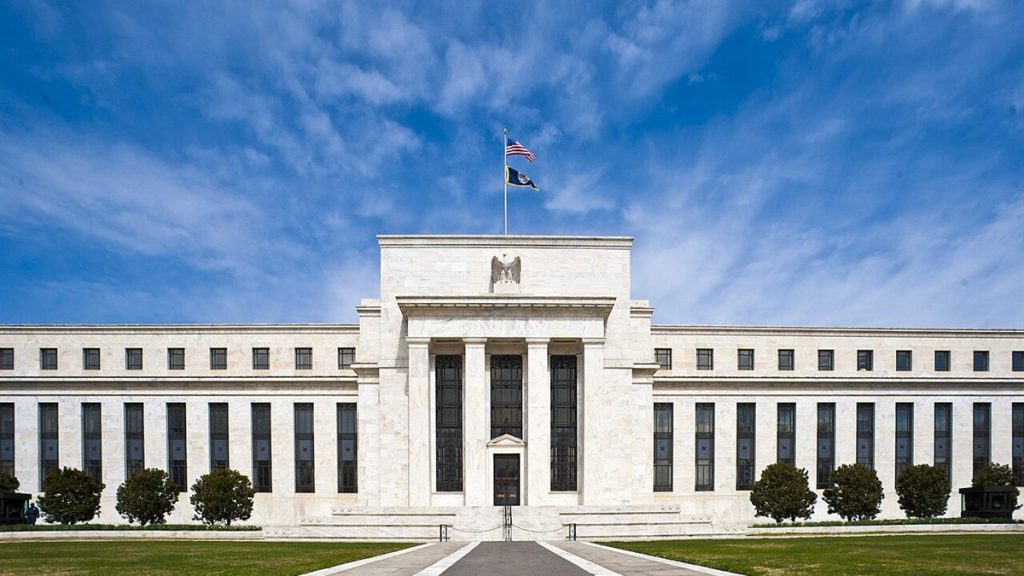
A jobs report that was supposed to be a non-event has put a Federal Reserve rate hike back on the table, and the currency market is repricing around it in real time.
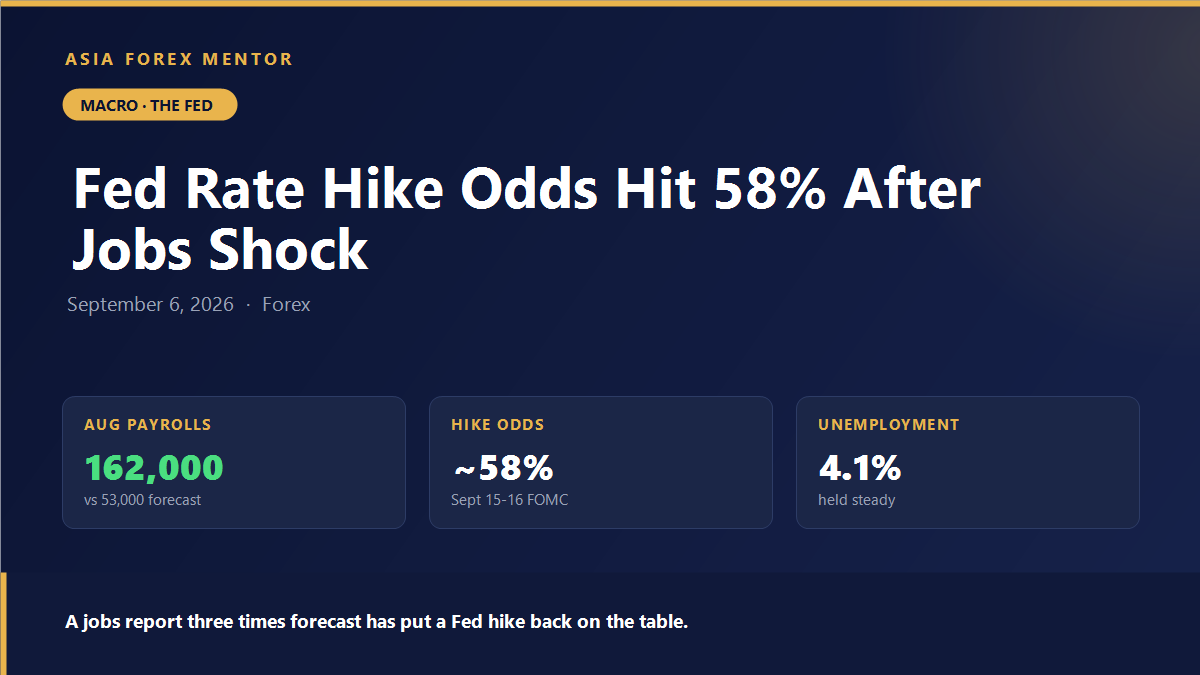
The Bureau of Labor Statistics reported on Friday 4 September that non-farm payrolls grew by 162,000 in August — more than three times the 53,000 economists polled by Dow Jones had forecast. The unemployment rate held at 4.1%, in line with expectations. Within minutes, fed funds futures moved to price a 58% chance that the FOMC raises rates at its 15–16 September meeting, and the two-year Treasury yield climbed to its highest level since January 2025.
For traders who spent most of 2026 positioned for the Fed’s next move to be a cut, this is a regime change worth taking seriously.
Why the Market Flipped From Cuts to Hikes
The shift did not begin with the payrolls print. It began at Jackson Hole on 28 August, when Fed Chair Kevin Warsh signalled that rates could still go up. Markets read the remarks as hawkish, and the implied probability of a September hike jumped from roughly 35% to 64% in the days that followed before settling back into the mid-50s.
Two things are doing the work here. The first is that inflation has not behaved. Higher oil and gas prices tied to the conflict in the Middle East have fed straight into headline inflation, and the Fed has been explicit that it will not look through an energy shock that shows signs of broadening. The second is that the labour market simply has not cracked the way the consensus assumed it would. A 162,000 print is not a slowdown, and it removes the strongest argument the doves had.
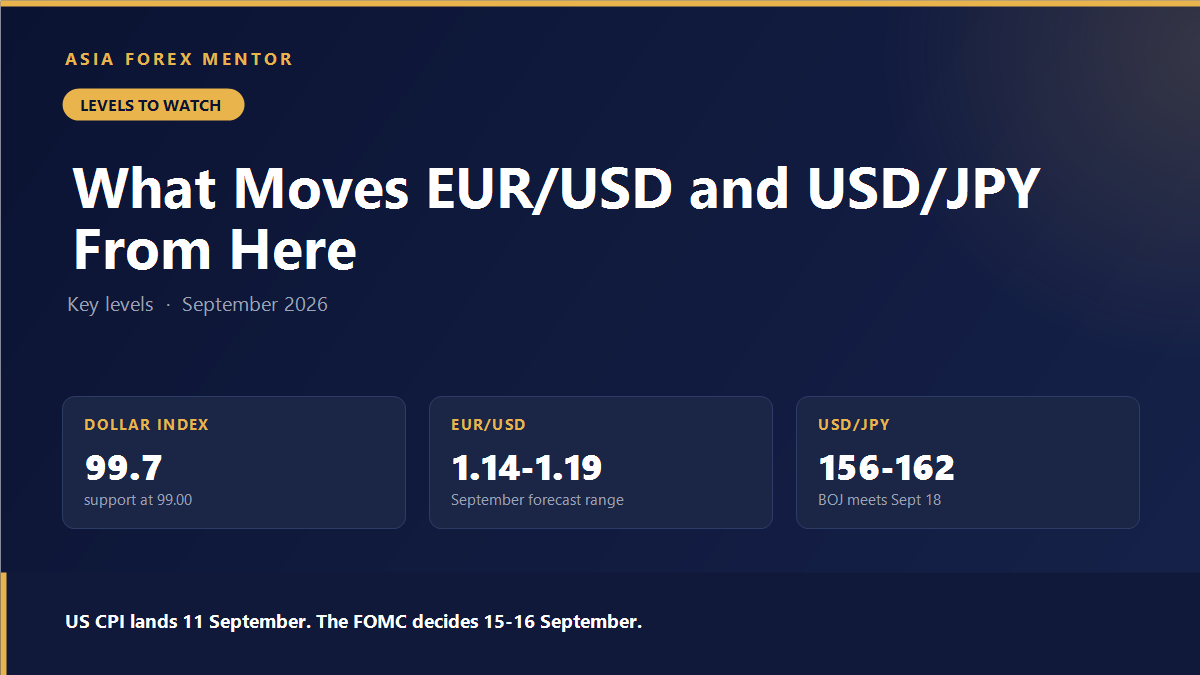
The US Dollar Index (DXY) sits near 99.7 after finding support around the 99.00 level — a level worth marking on your chart, because it has now held on multiple tests.
The Two Data Points That Decide It
The hike question is not settled. Two releases stand between now and the FOMC decision:
- August CPI — Friday 11 September. This is the bigger of the two. A hot core print alongside Friday’s payrolls beat would make a September hike very difficult for the committee to avoid without damaging its own credibility.
- The FOMC decision itself — 15–16 September. With futures near a coin flip, this is a genuinely two-sided event. That matters more for risk management than for direction.
When an event is priced at 58%, the market is telling you it does not know. That is precisely the condition under which position sizing matters more than your directional view.
What This Means for Currency Pairs
A hawkish repricing of the Fed is, mechanically, dollar-supportive — but the size of the move depends on what is already in the price. With DXY having already recovered from its summer setback, a 25 basis point hike that markets have half-discounted is not the same trade as a surprise.
EUR/USD has pulled back as the dollar firmed, with forecasts for September clustering in a 1.14–1.19 range. The euro’s problem is not the ECB; it is that the rate differential is moving against it at a moment when European growth data has been unremarkable.
USD/JPY is the more interesting pair, because it now has two central banks pulling in the same direction. Consensus forecasts put September trade between 156 and 162, but the Bank of Japan meets on 18 September with a hike increasingly priced, and Japanese authorities have already intervened once this year. That combination makes the yen the pair where a Fed hike may produce the least follow-through.
For traders working through pairs systematically, our forex trading guides cover how to build a pre-event checklist that survives contact with a live release.
How to Trade a Coin-Flip Central Bank Meeting
The instinct before a binary event is to pick a side. The more durable approach is to accept that you cannot know the outcome and to build a plan that does not require you to.
Respect the spread. Liquidity thins in the seconds around CPI and FOMC releases, and spreads on even major pairs widen well beyond their normal range. A stop placed at a normal distance can be taken out by the spread alone, without price ever trading through your level.
Size for the gap, not the range. Your risk on an event trade is not the distance to your stop — it is the distance to wherever the market reopens after the print. Size assuming slippage.
Let the first move fail before you commit. The initial reaction to a data surprise is frequently reversed within the hour as the market digests the detail beneath the headline. Traders who wait for the second move are usually trading better information at a better price.
Trade the reaction, not the forecast. Nobody pays you for correctly predicting the CPI number. You are paid for reading how price responds to it. If a hawkish print is met with a weaker dollar, that tells you positioning was already crowded — and that is a tradeable piece of information in its own right.
The Bigger Picture
Most dollar forecasts written this summer assumed the Fed’s next move was down. Over the past fortnight, that assumption has broken. Whether or not the committee actually hikes on 16 September, the market has been forced to price a policy path that was considered off the table a month ago — and repricings of that kind tend to produce sustained volatility rather than a single day of it.
For traders, the opportunity is not in calling the decision. It is in being prepared for a period in which currency volatility is structurally higher than it has been all year.
Figures cited are as of 4 September 2026. Market data moves quickly; verify current levels before trading. This article is general information, not personal financial advice.